How big could The Price is Right Get?
Johnny Olson was close to retirement when he was offered the position as announcer of The Price is Right in 1972. He was hesitant, as he would have to fly over 4,000 miles each week from his West Virginia farm. His wife encouraged him to take the job, saying, “How long can it last? It’ll be off the air in a couple of years.”1
Very few game shows ran for eight consecutive years, especially in the cutthroat world of daytime television. By late 1980, all of CBS’ other daytime game shows were off the air.2
And yet the daytime Price is Right was not only surviving, it was thriving! It was reliably winning its 11AM timeslot. It began the ’80s consistently beating NBC’s top game show, Wheel of Fortune, and remained competitive with ABC’s Family Feud in a battle for the #1 and #2 daytime game.
To top it off, ratings were better than they’d ever been and still growing from year to year! Unlike most eight-year-old game shows, TPIR was not merely retaining its audience… it was growing it.
With the end of the nighttime version, the cast and crew was now able to focus their efforts entirely on the daytime version. All they had learned over the past eight years could now be channeled into one product, which showed no signs of slowing down entering its ninth season.
Season 9 – Aug 1980 to June 1981
| First space shuttle launches… | Mazda GLC Station wagon: $5,345 |
| Dallas “Who Shot J.R.?” conclusion sets TV viewership records… | Panasonic 19″ color TV: $590 |
| Major League Baseball players strike… | 7-day Caribbean Cruise: $3,070 |
TPIR was not interested in reinventing the wheel for the 80’s. They knew they had a formula that worked, and could refresh itself every day without getting stale.
New games kept the show fresh pushed into new directions. But eight years in, TPIR’s identity was much better defined, and producers had a much better idea of was and was not likely work as a pricing game than they did even a few short years ago. While exciting props that looked good on TV helped, games needed a solid core, and visual gimmicks could only go so far to could cover an underwhelming game.
TPIR had the atmosphere of a live carnival, led by a literal Barker walking the viewer through different attractions. One new game brought a Skee-Ball ramp to the stage, and another was inspired by Las Vegas.
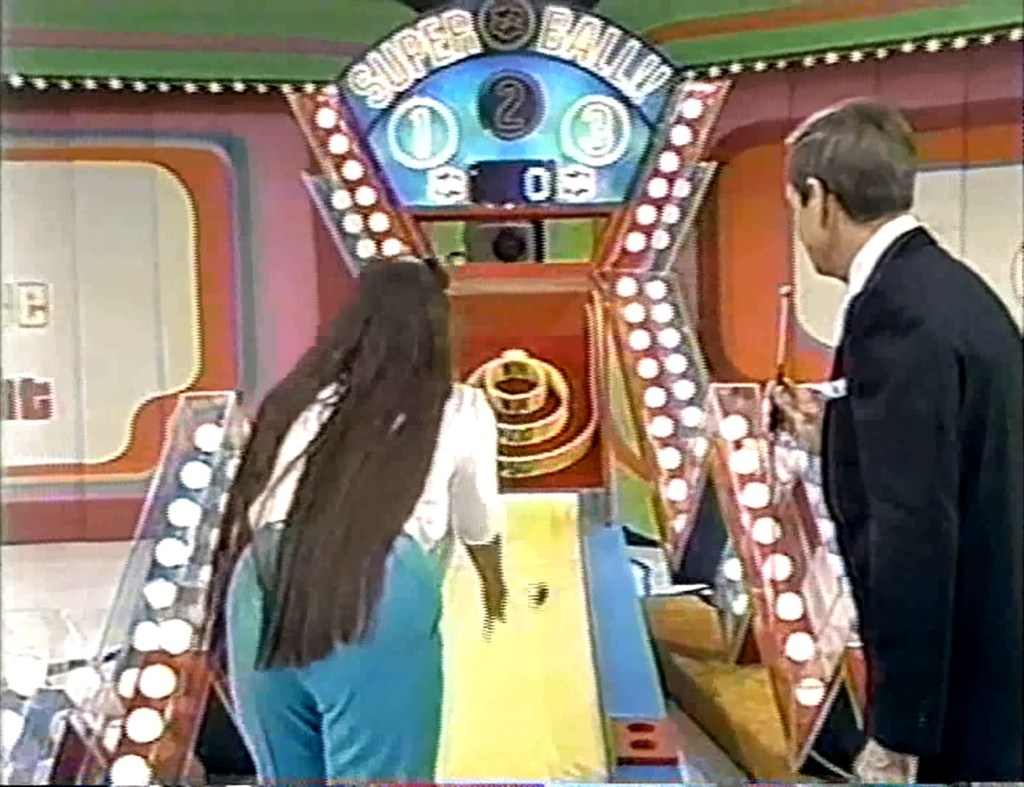
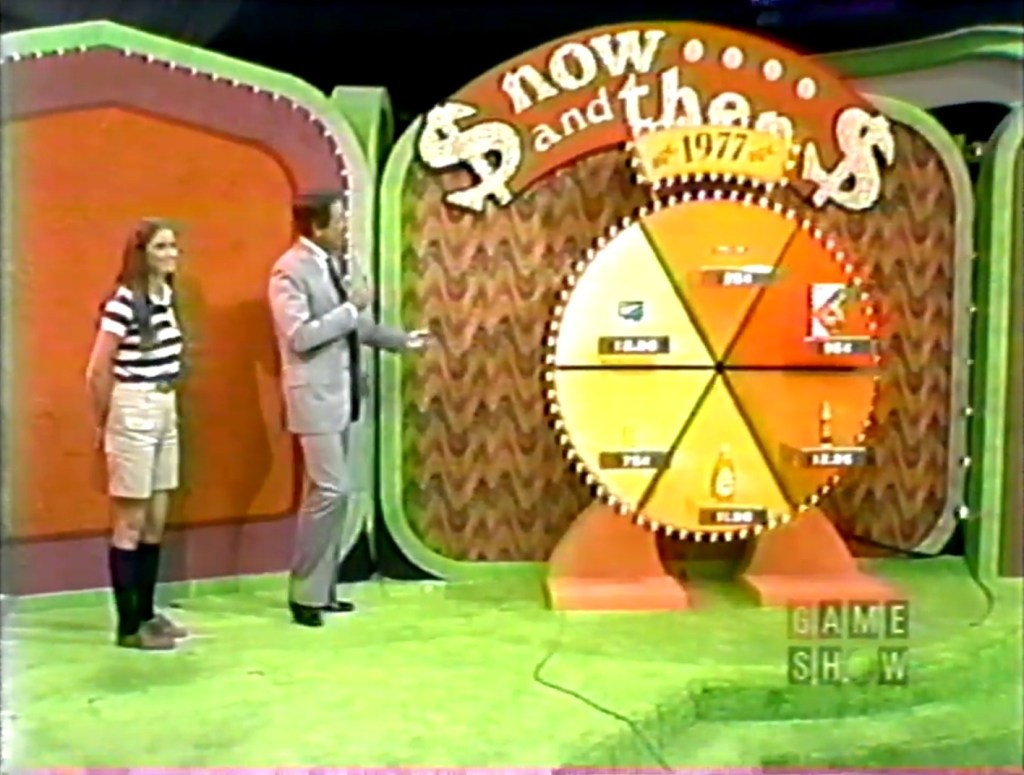
Prices weren’t the same as they had been, either. The United States Dollar had experienced a period of record inflation. Most pricing games now offered prize packages worth at least $2,000; some offered much more. Higher end cars topping $10,000 were offered more frequently. One game was even explicitly designed around the premise that “things don’t cost what they used to!”
New games:
Games retired: None
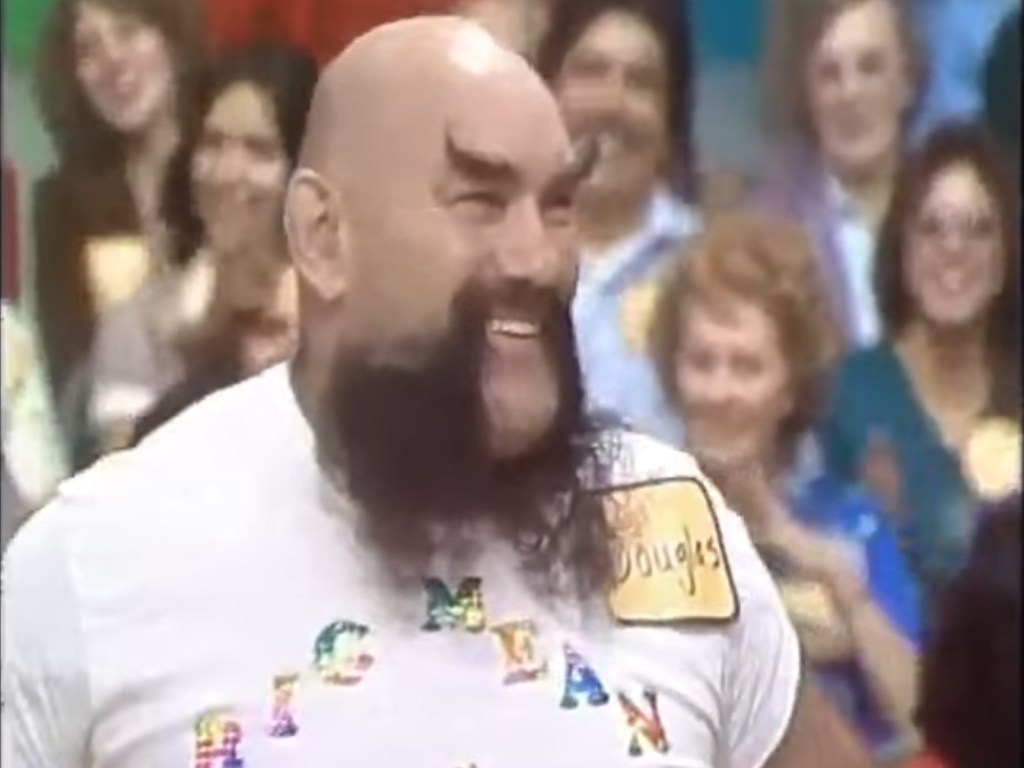
Contestant Hall of Fame
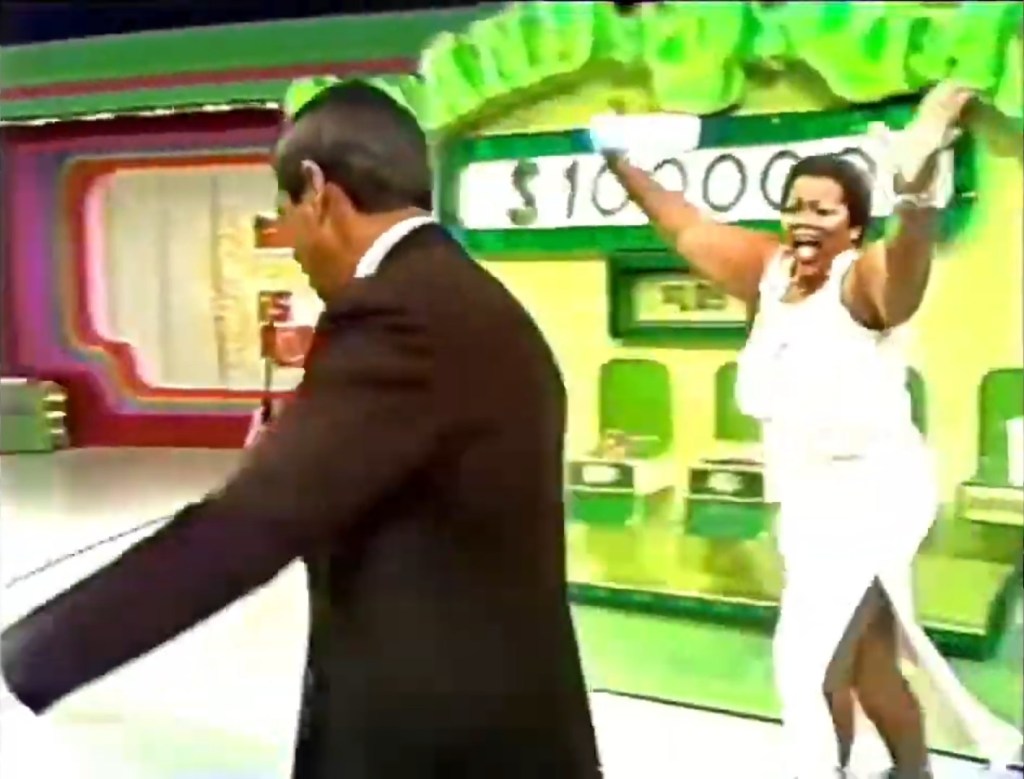
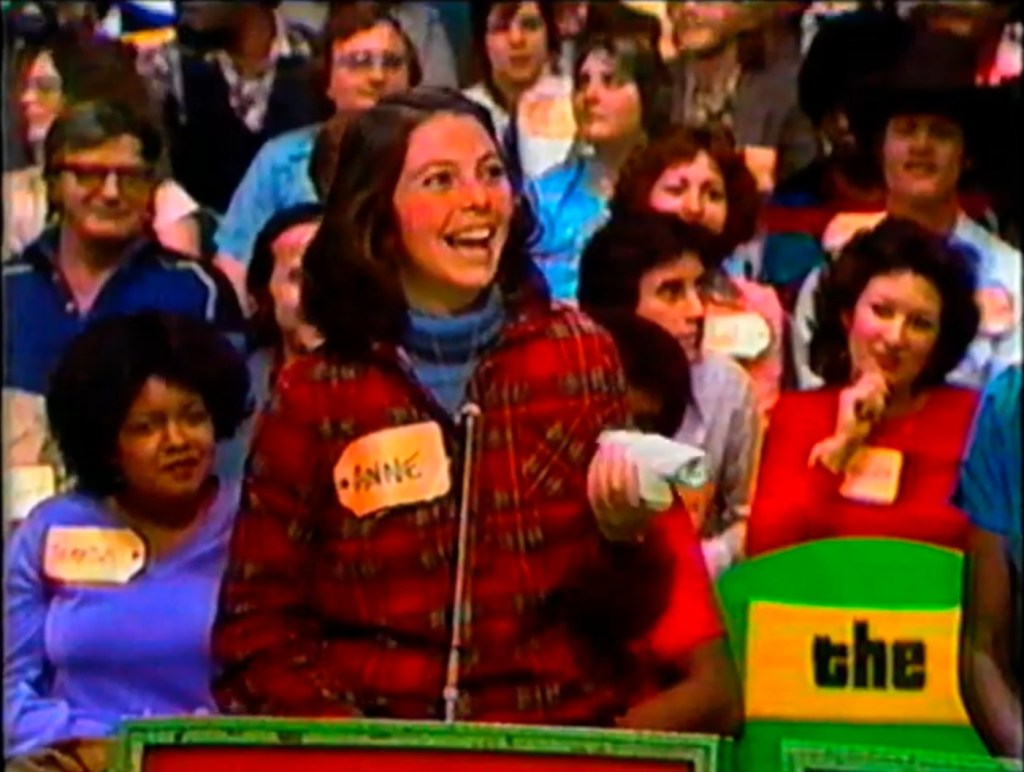
Memorable Moments
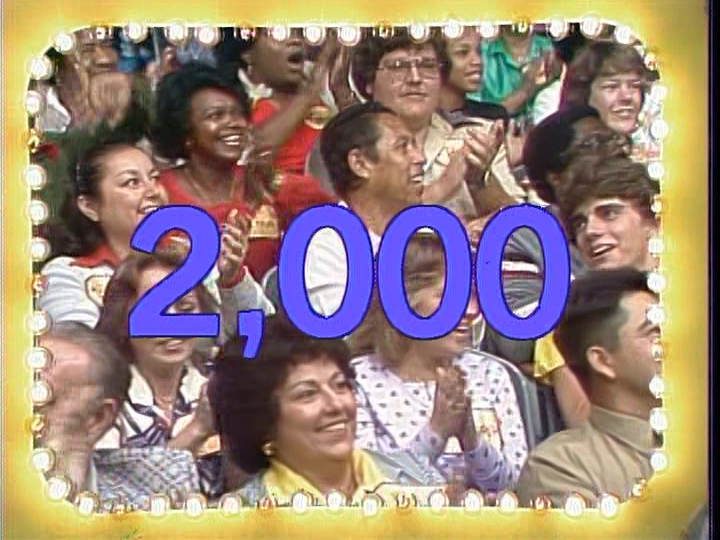
The ceremonial 2,000th episode! 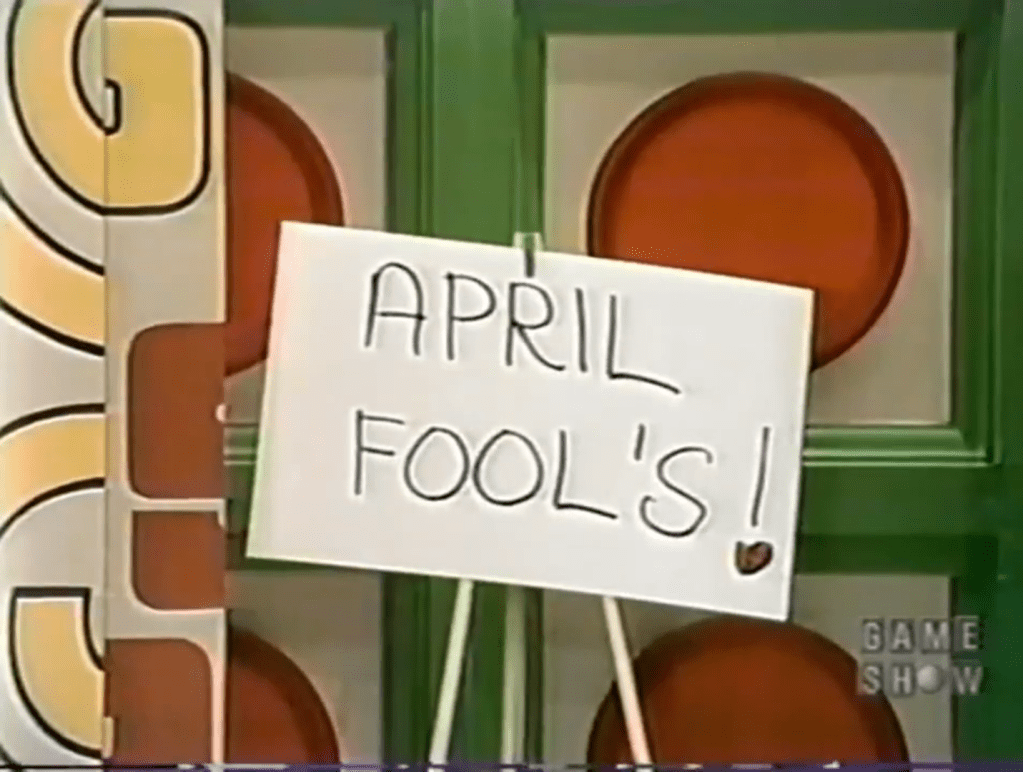
“Here’s the star of the Price is Right…” Huh? Where’s Bob? 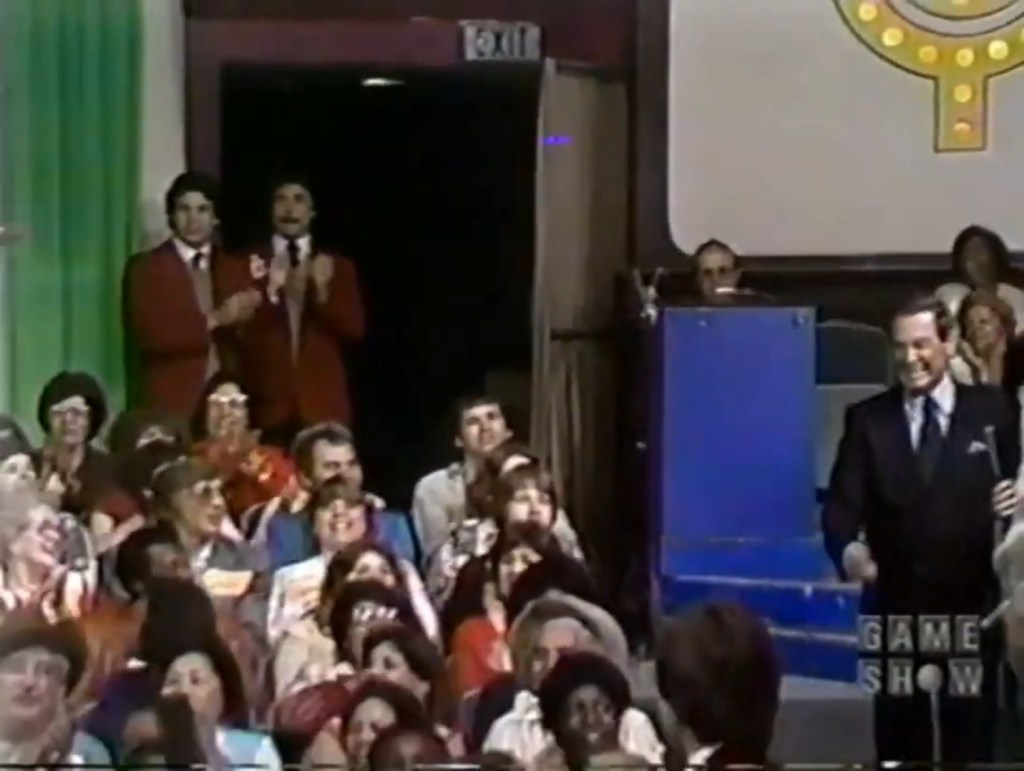
He’s entering from the back of the audience, as an April Fool’s Joke! This was nearly a decade before Bob began doing them regularly. 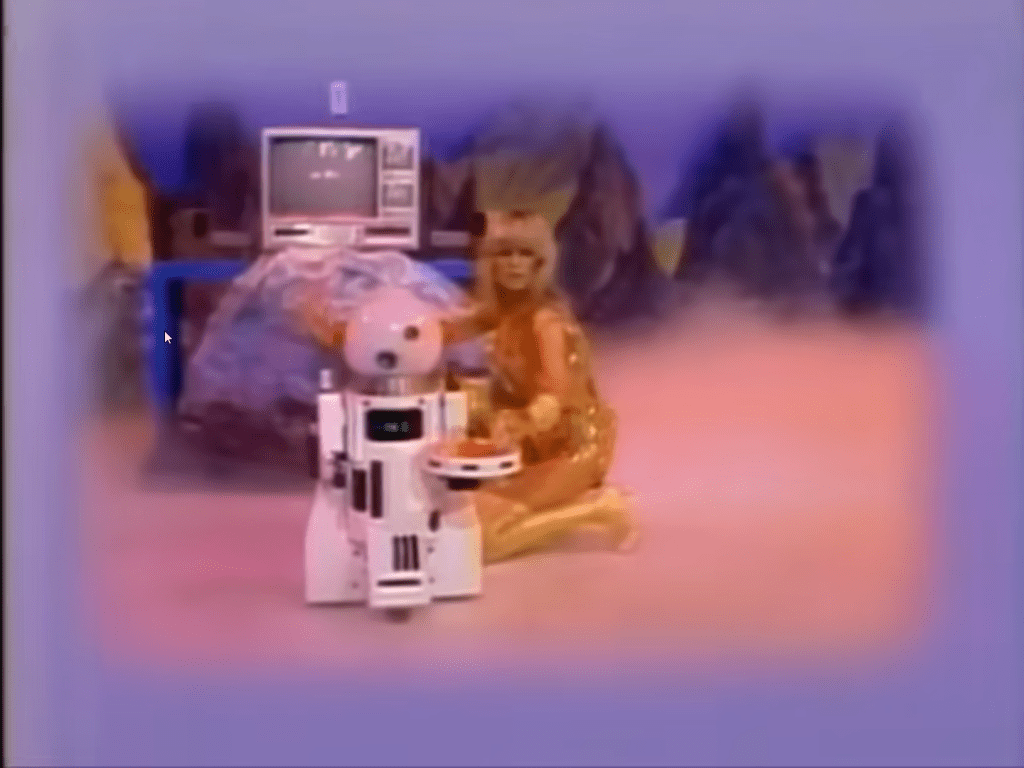
This Home Viewer “Showcase of the Future” includes a 3 foot “Robot” that can retrieve drinks. What’s YOUR bid? 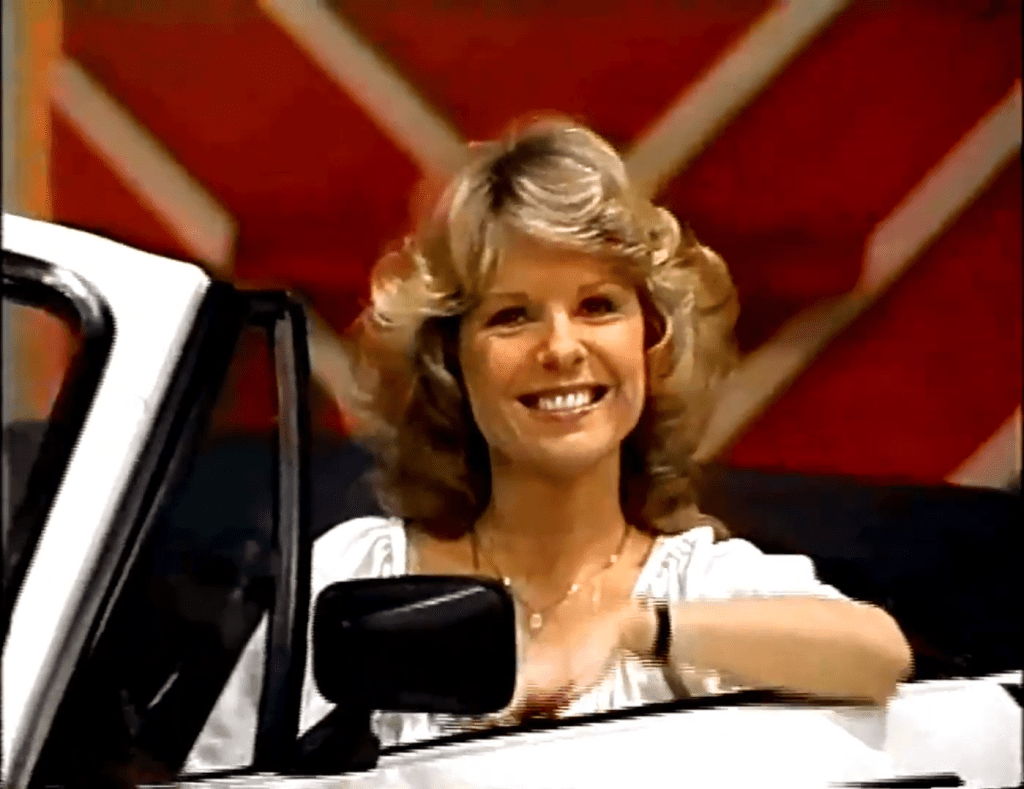
After Holly injured her knee, producer Barbara Hunter filled in, producing AND modeling. 
“DJ Johnny” played a master track of The Rolling Stones’ “Satisfaction” for a showcase. This was when music licensing fees for television were MUCH lower than they are today!
Season 10 – Sep 1981 to June 1982
| “E.T.” Phones Home… | Datsun 210 Station Wagon: $6,534 |
| Michael Jordan wins Tar Heels an NCAA championship… | Gold Star 19″ Color TV with Remote: $595 |
| Atari 2600 brings the arcade to home TVs… | Hamilton Beach Coffee Maker: $60 |
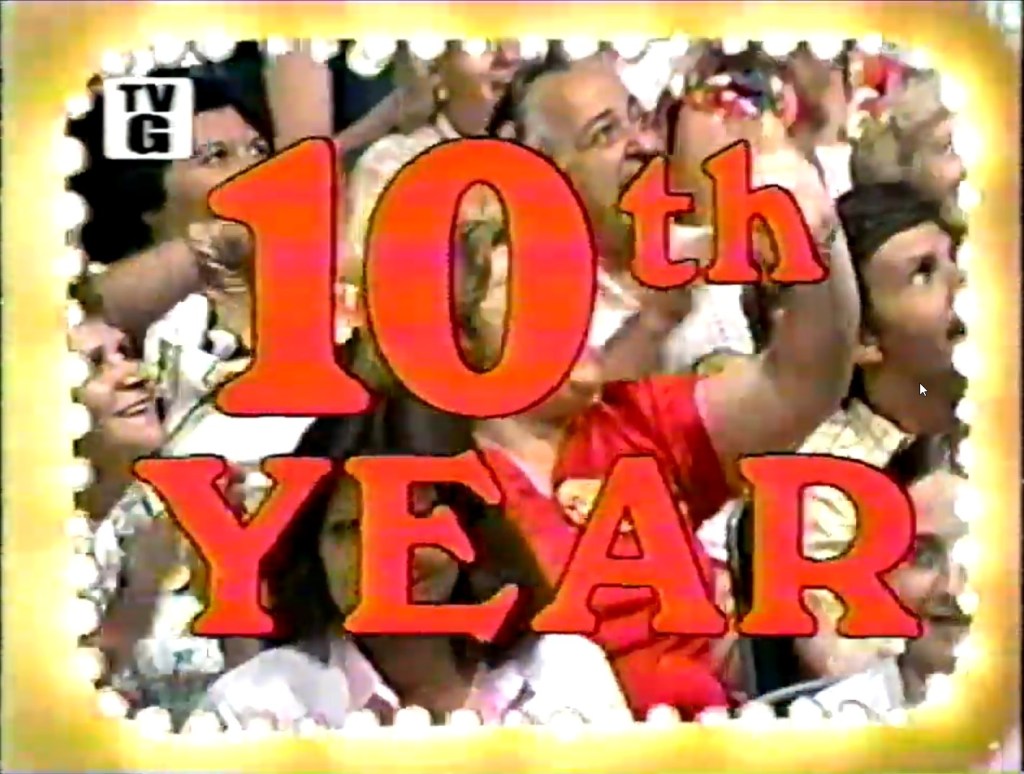
The 10th season began with a special weeklong 10th Year Celebration.
Of the dozens and dozens of game shows and game show revivals attempted in the history of television, only four daytime and five nighttime shows3 had, to this point, managed an uninterrupted run lasting a decade… and by fall 1981, all were off the air.
In contrast, TPIR was hitting its highest ratings ever in its 10th year! With this milestone, this version surpassed Bill Cullen’s original version as the longest-running version of TPIR to grace the airwaves. There truly seemed as though there was no end in sight as to what TPIR could accomplish in the ’80s.
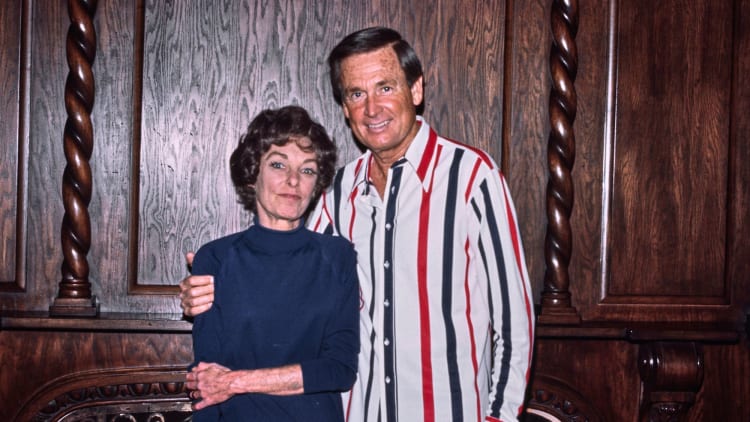
However, it was not long before the show’s central figure was marred by personal tragedy. On October 19, 1981, Bob’s longtime wife Dorothy Jo Barker passed away at age 57, just six months after receiving a lung cancer diagnosis.
The couple had been married for over 35 years, and Bob took the loss particularly hard. Dorothy Jo had been a stabilizing force in his life in many ways. One of Bob’s family members even remarked that Bob “was a totally different person for two or three years” after Dorothy Jo’s passing. Bob credits his work with getting him through his depression. “I immersed myself in it; I just tried to stay busy.”4
Though Bob was as sharp as ever, he did seem to have less patience on camera for several years. Some viewers report that Bob’s mood was evident on camera and he got “meaner” with models and contestants for a time. Two years later, he met animal rights activist Nancy Burnet,5 and his on air appearance seemed to “mellow out”.
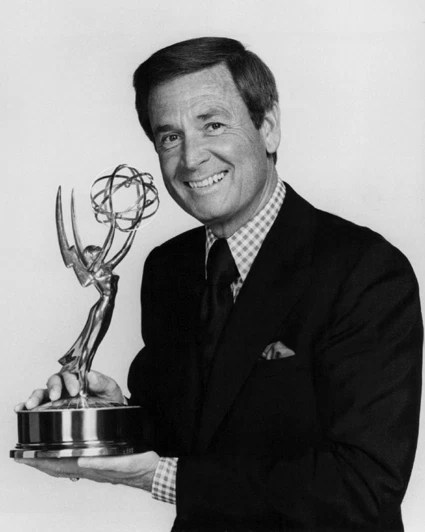
Bob did win TPIR its first-ever Daytime Emmy this season. In June he beat out Blockbusters‘ Bill Cullen and Feud‘s Richard Dawson for Outstanding Game Show Host. (Bob had been nominated three years before, but was disqualified due to an eligibility snafu.)
Bob had also spent the past few years becoming more publicly involved in animal rights, and at some point during this season or shortly before the next, lobbied the staff to stop offering furs as prizes. His lobbying was successful; The Price is Right became one of the first game shows to intentionally cease offering furs. Other programs would eventually follow their lead, and by the end of the decade, furs were no longer offered on most game shows.
New games:
Games retired: None
Contestant Hall of Fame
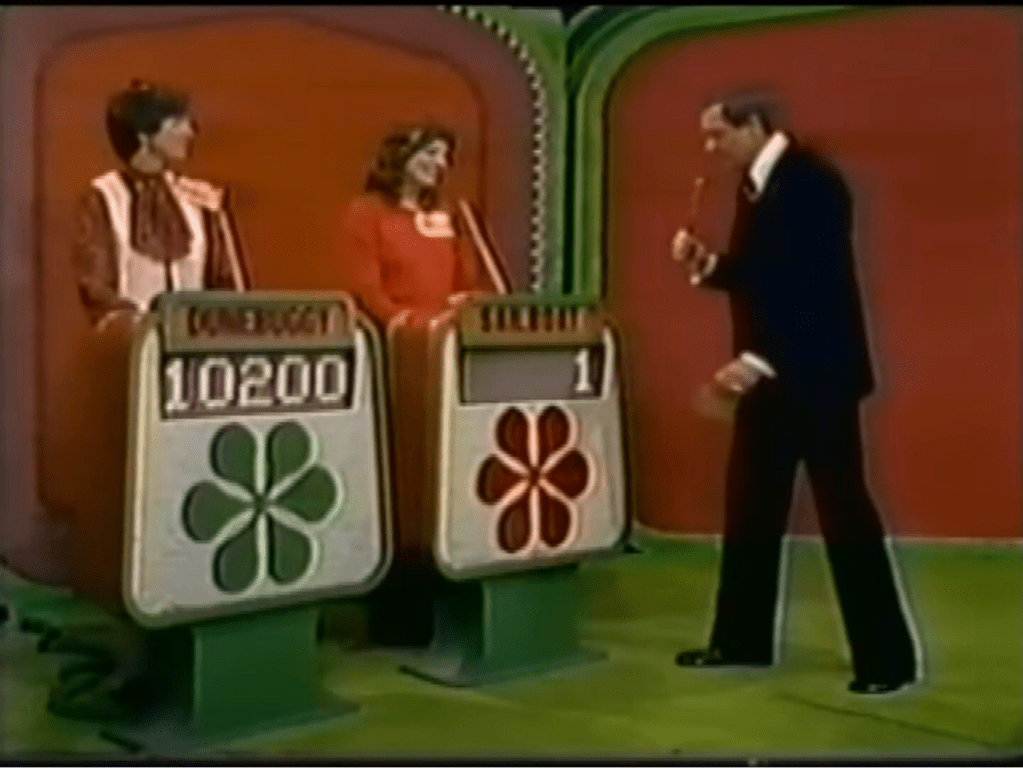
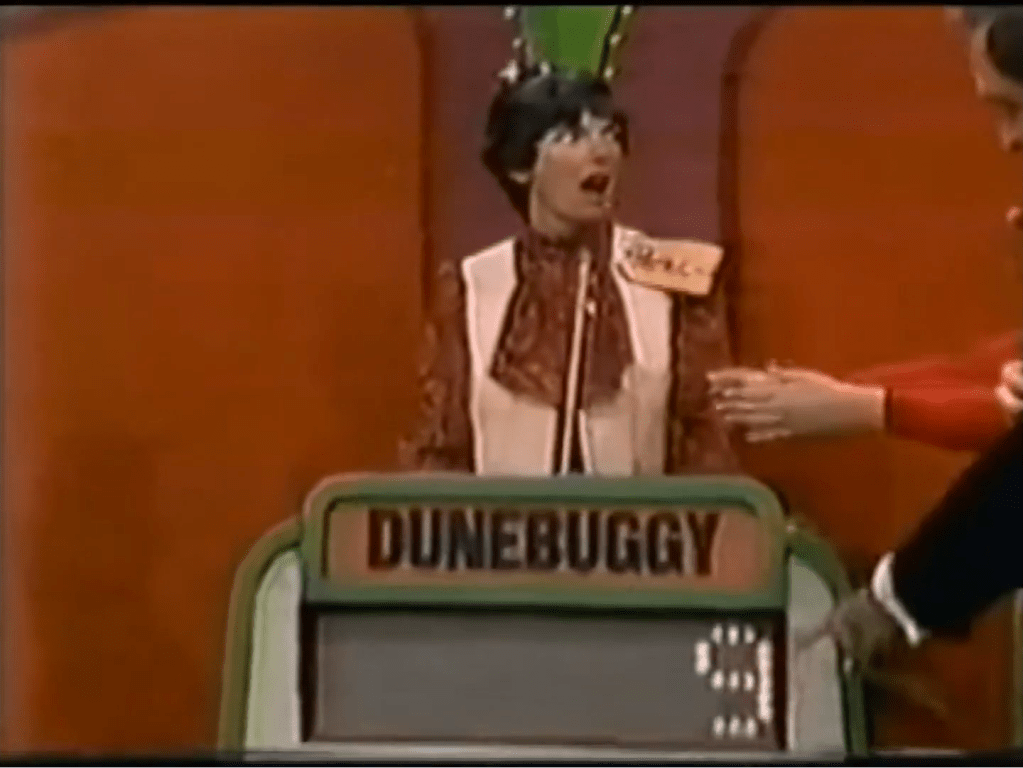
Memorable Moments
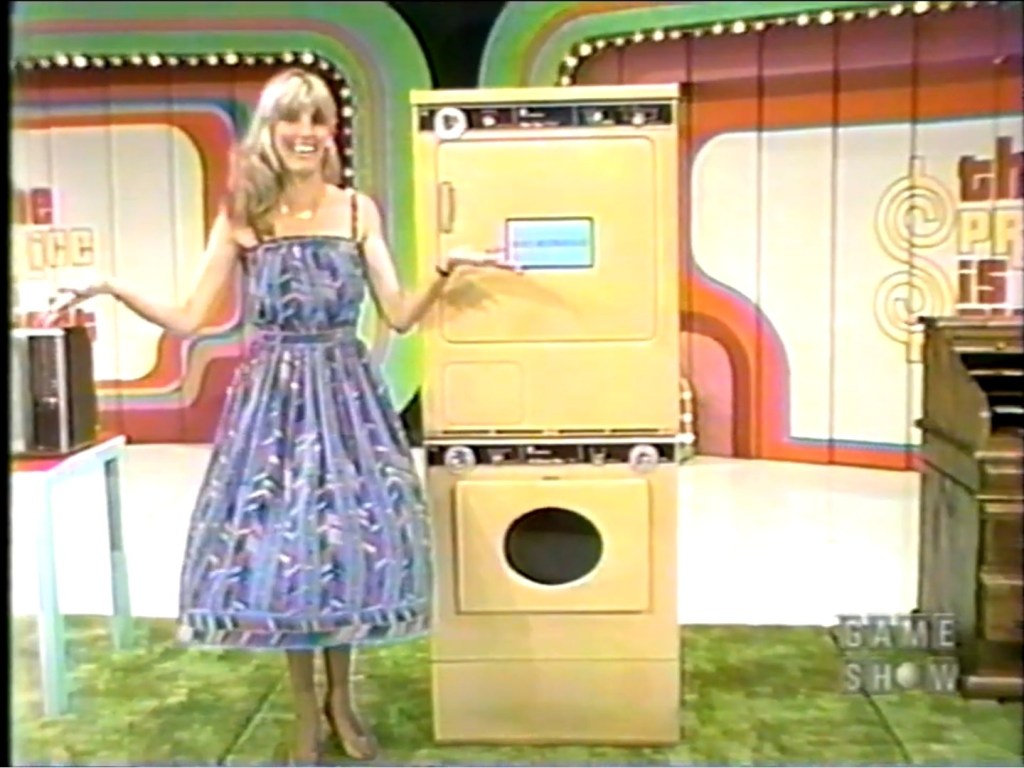
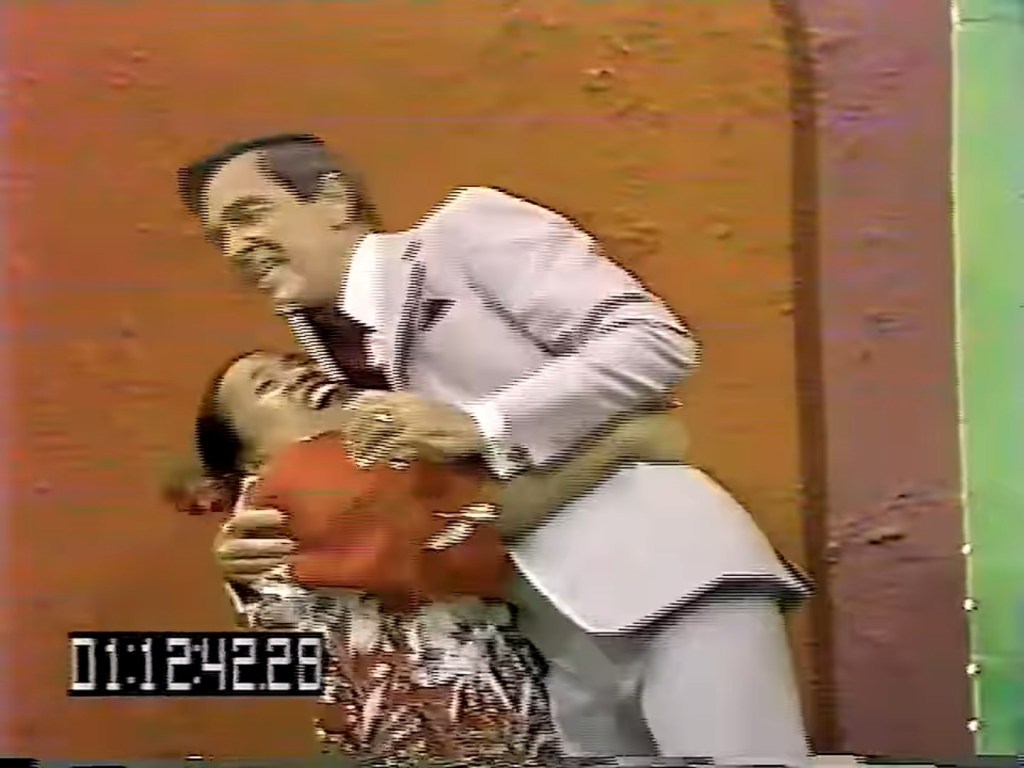
Janice had a Marilyn moment with the air conditioner; Season 10 must have been the year of the “wardrobe malfunction”! 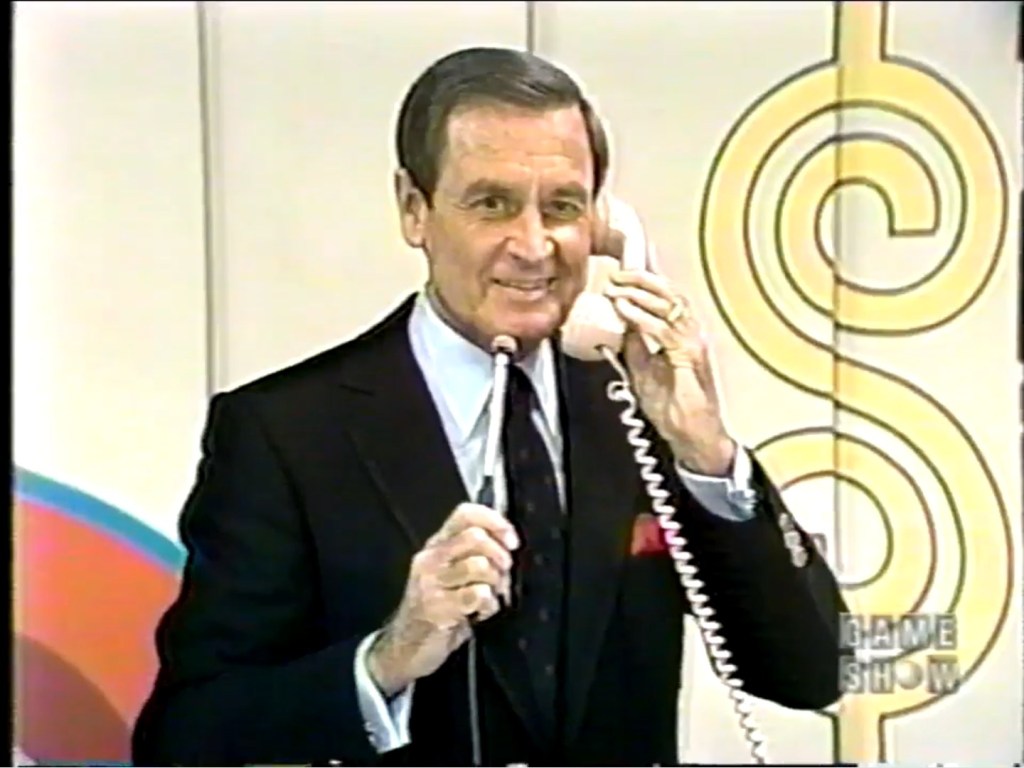
Bob phones the winner of the “Home Viewer Showcase”, who nailed a $49,298.95 showcase to the penny. 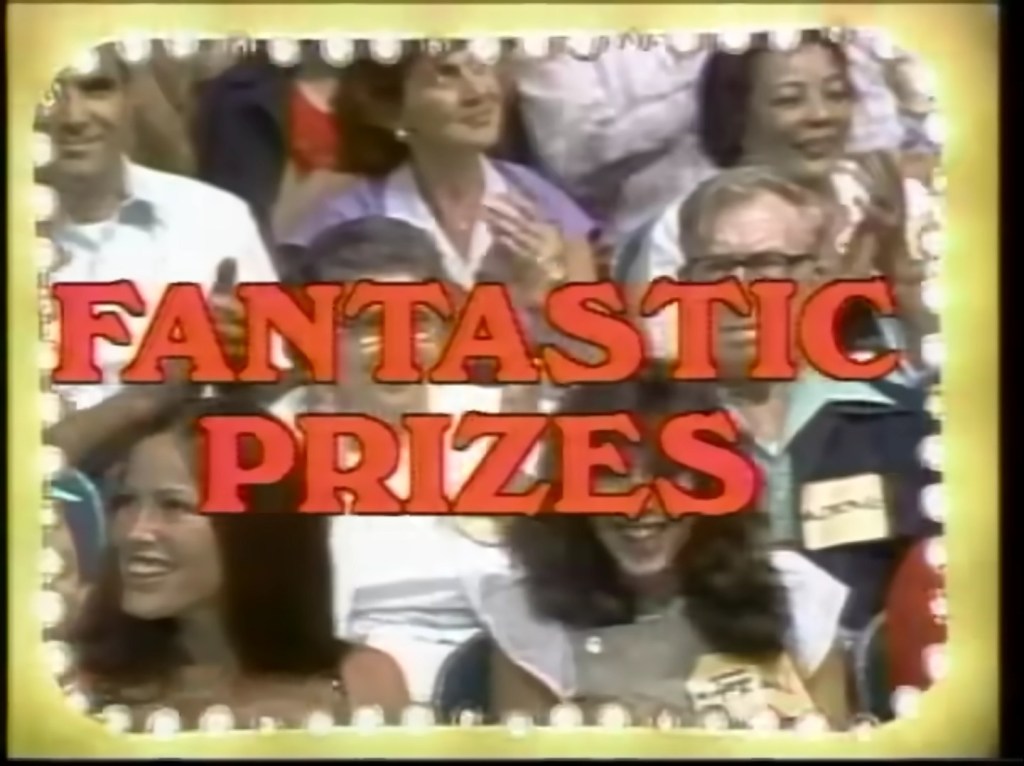
After five years of “Hour Power”, new art cards were commissioned; the opening now has a variety of phrases. 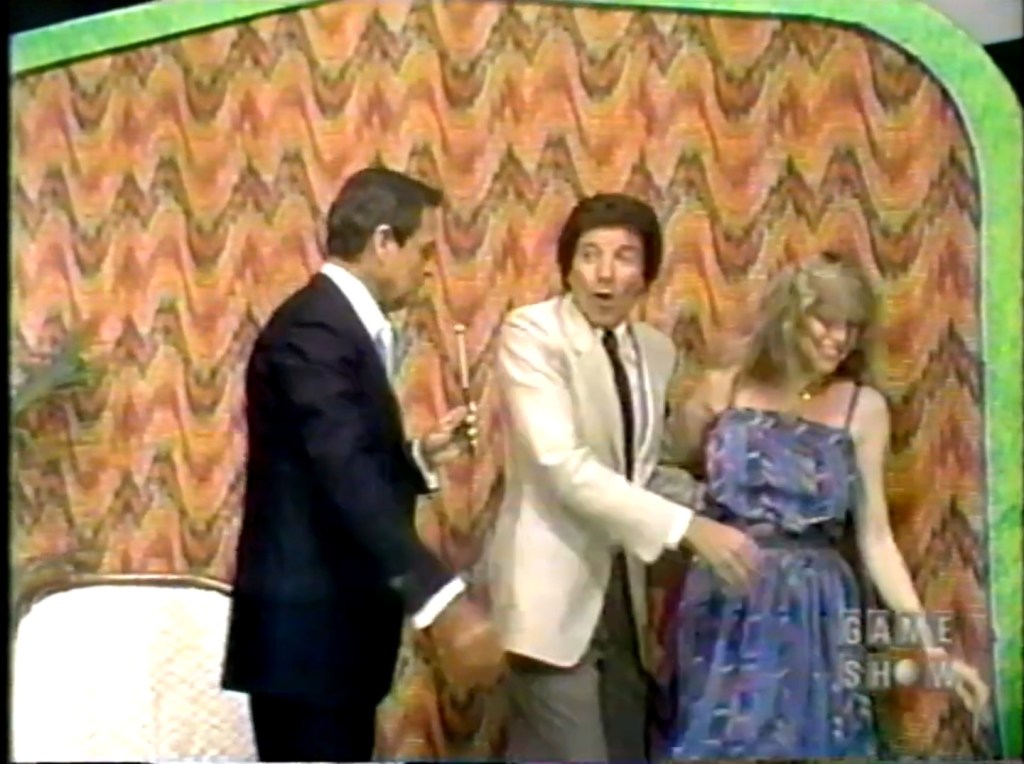
Bert Convy is back to plug a new revival of Tattletales! 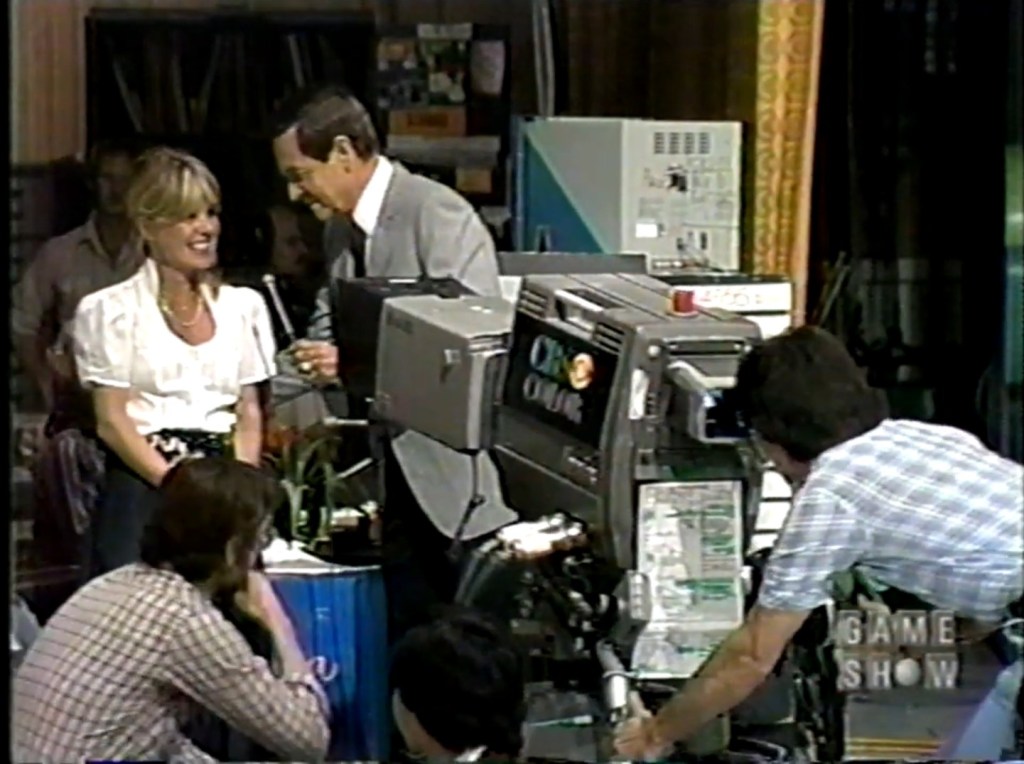
Bob stops by the producer’s table to wish head producer Barbara Hunter a happy birthday.
Season 11 – Sep 1982 to July 1983
| Michael Jackson releases “Thriller”… | Chevy Cavalier: $6,750 |
| M*A*S*H finale becomes most-watched TV episode… | 19″ Mitsubishi Color TV: $560 |
| Jane Fonda popularizes aerobics craze… | 6 fl. oz. Listerine Mouthwash: 99¢ |
The Price is Right hit a new ratings high this season, its second half still secure in its perch as the highest-rated half-hour daytime game show, and its first half still highly competitive.
Its success convinced CBS to dip its toe back into the game show genre, replacing the reruns that led into TPIR since Whew‘s cancellation. Another CBS game show morning block was formed that September. A new version of Dick Clark’s The $25,000 Pyramid debuted at 10:00; and 10:30 saw a new Mark Goodson game called Child’s Play, helmed by Bill Cullen.
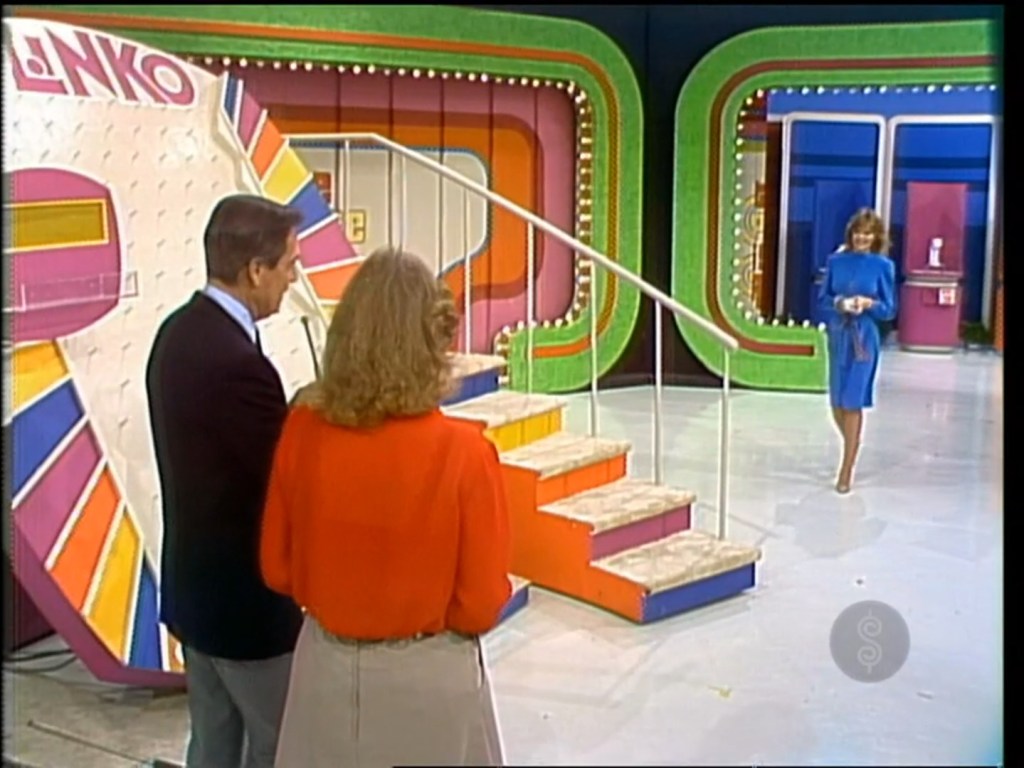
In January, NBC also made an ambitious attempt at dipping its toe back into the game show genre, premiering three new game shows at the start of the new year. On that day, January 3 1983, The Price is Right counterprogramed this move by introducing their most ambitious new game yet: Plinko.
Plinko was very different from every other pricing game that had come before it. At the time, CBS imposed a winnings limit of $25,000 on its game shows, and Plinko’s top prize equaled the limit. Most pricing games had a simple win condition that could clearly be “won” or “lost”, but Plinko could award nearly any amount up to the winnings limit.
The randomization and unpredictability proved to be part of the game’s charm, and Plinko quickly became one of the most popular games on the show.
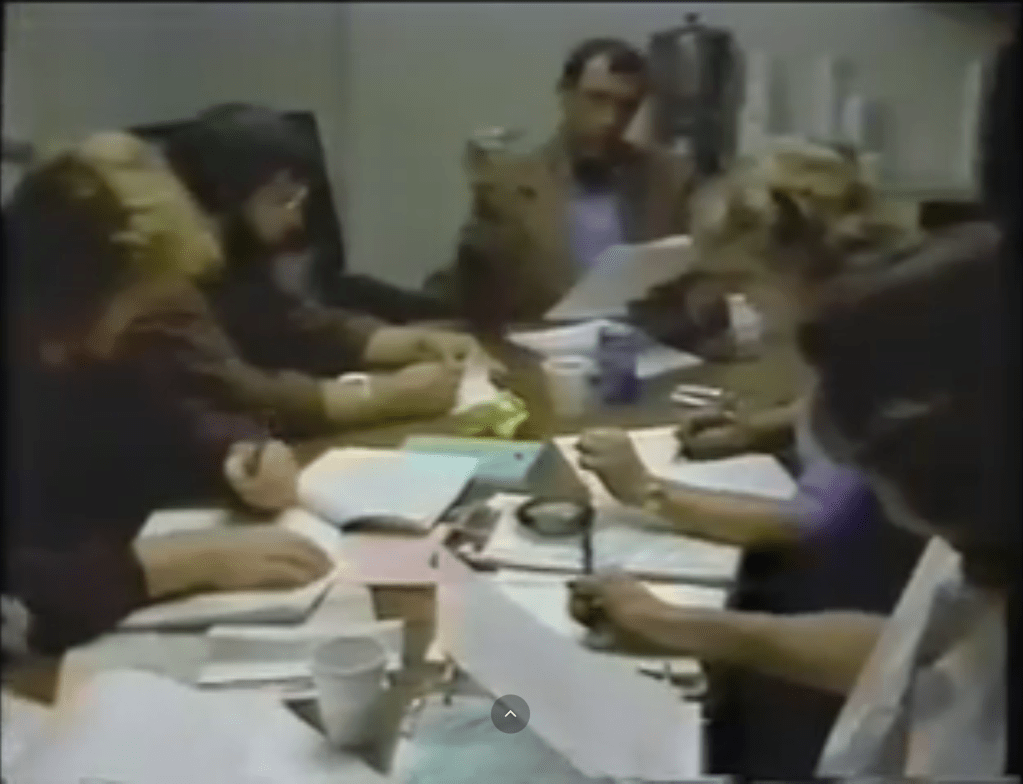
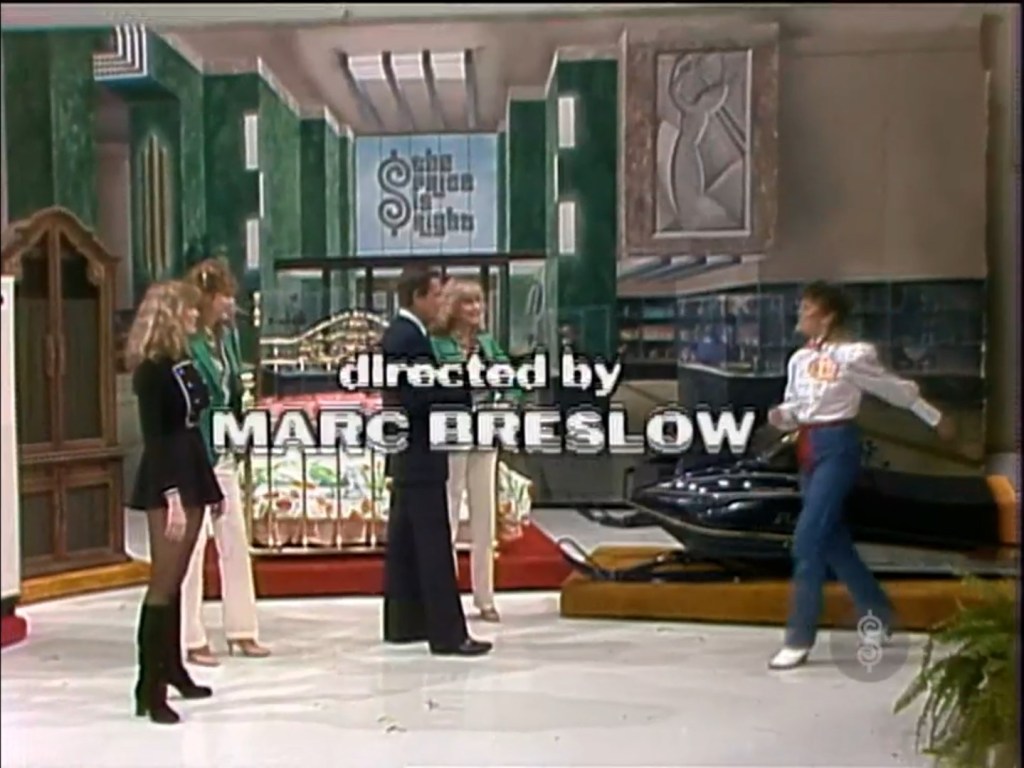
Over the past few years, Marc Breslow’s directing had become a bit less frantic and somewhat more measured… but no less creative. Each day, meetings would be held to determine how to present prizes in a way that would surprise viewers and add variety to the show.
But TPIR required a skill that went far beyond planning… a large part of the appeal of TPIR was its unpredictability. Once things broke off script, it took an extremely talented director and crew to visually tell the story the moment things onstage went in an unexpected direction. Breslow and his seasoned camera crew and control room were able to meet those challenges daily.
In the 1983 Daytime Emmy awards, Marc Breslow won TPIR’s second-ever daytime Emmy for “Outstanding Directing in a Game Show”. He would go on to win the Emmy three more times over the next four years.
Decades later, streaming channel “The Barker Era” would use Season 11 as its beginning point for digitizing episodes of its free official classic TPIR streaming service. As of this writing, nearly all episodes from Season 11 can be viewed on-demand at PlutoTV’s “On Demand” service.
New games:
Games retired:
Contestant Hall of Fame
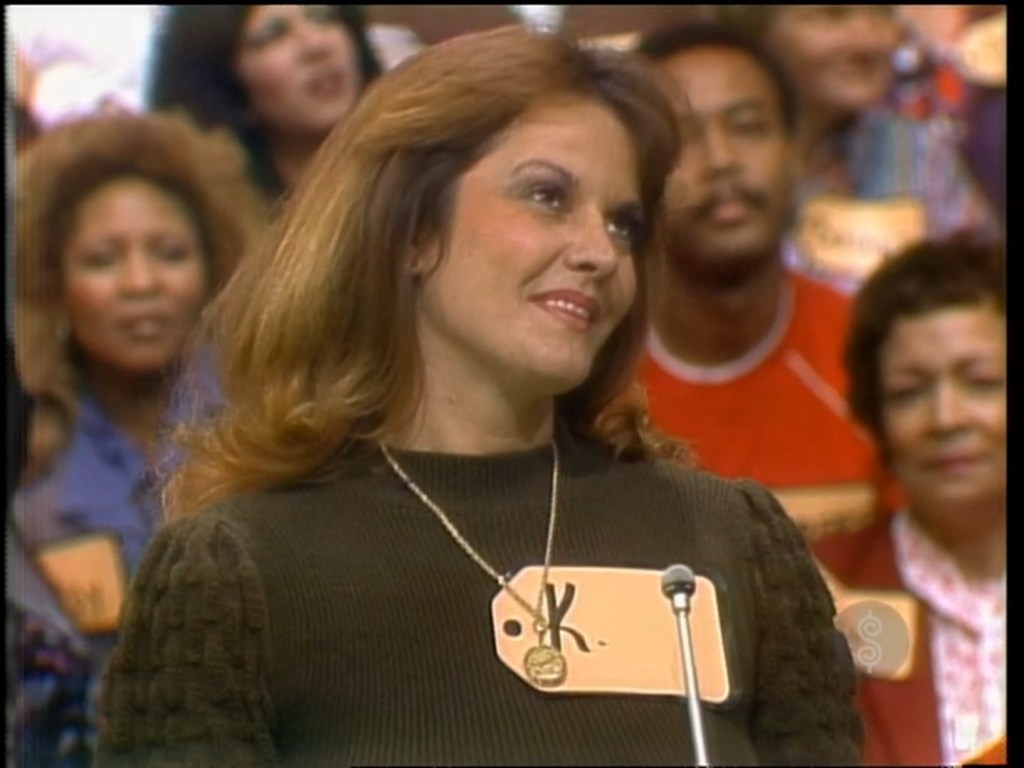
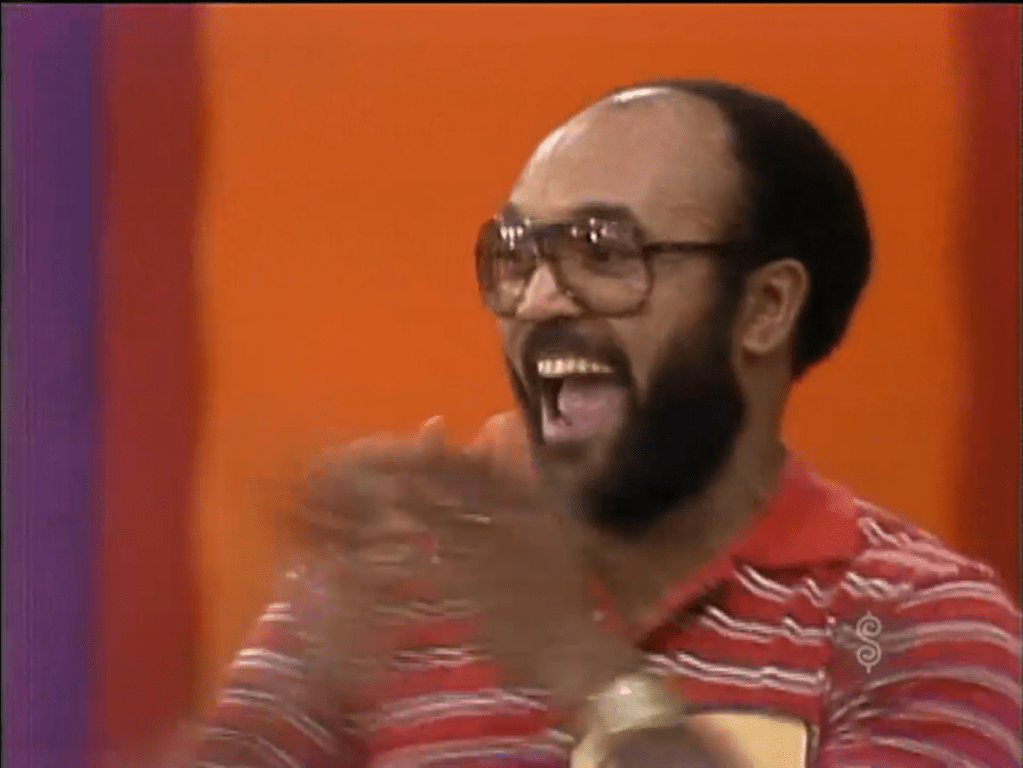
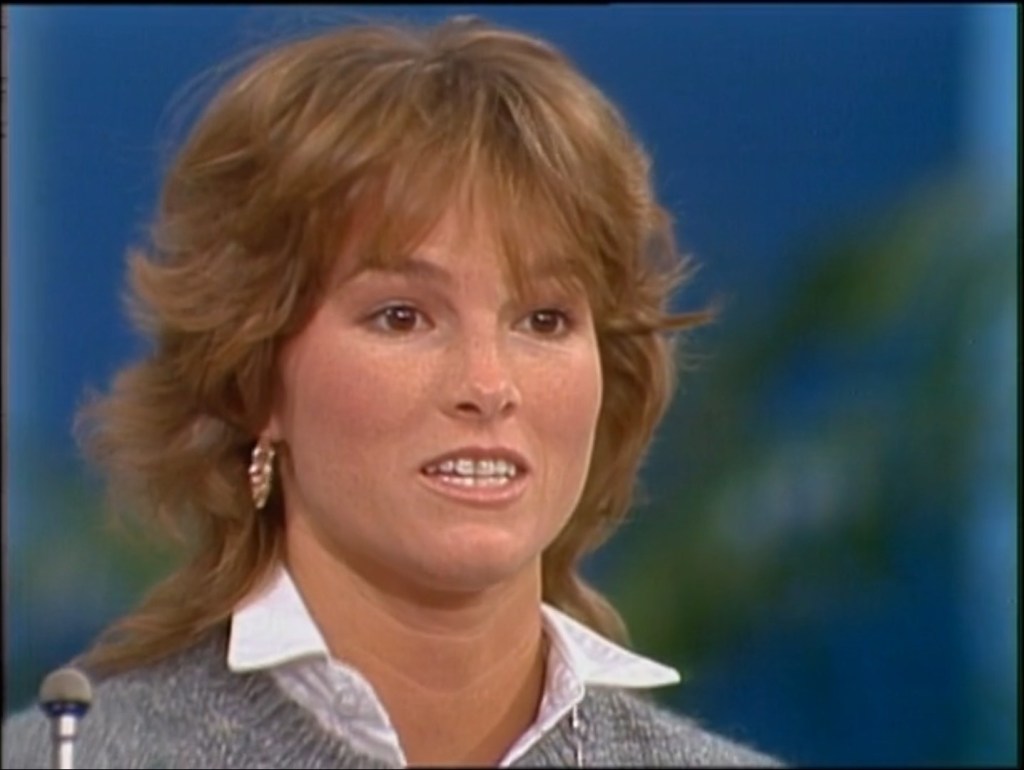
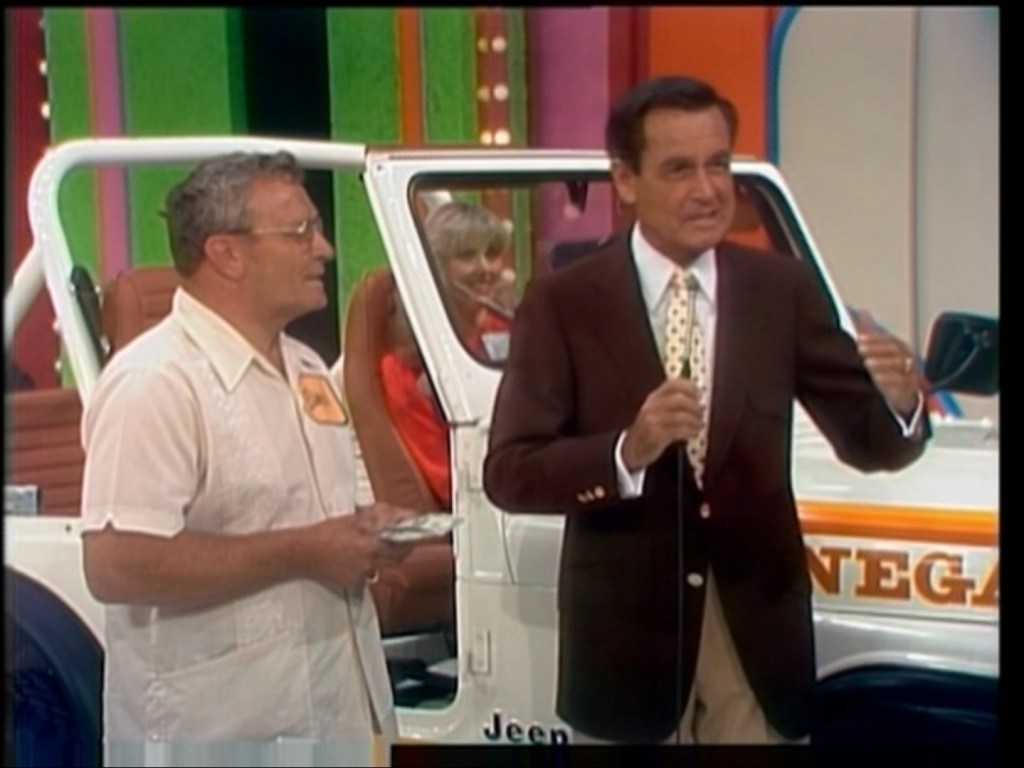
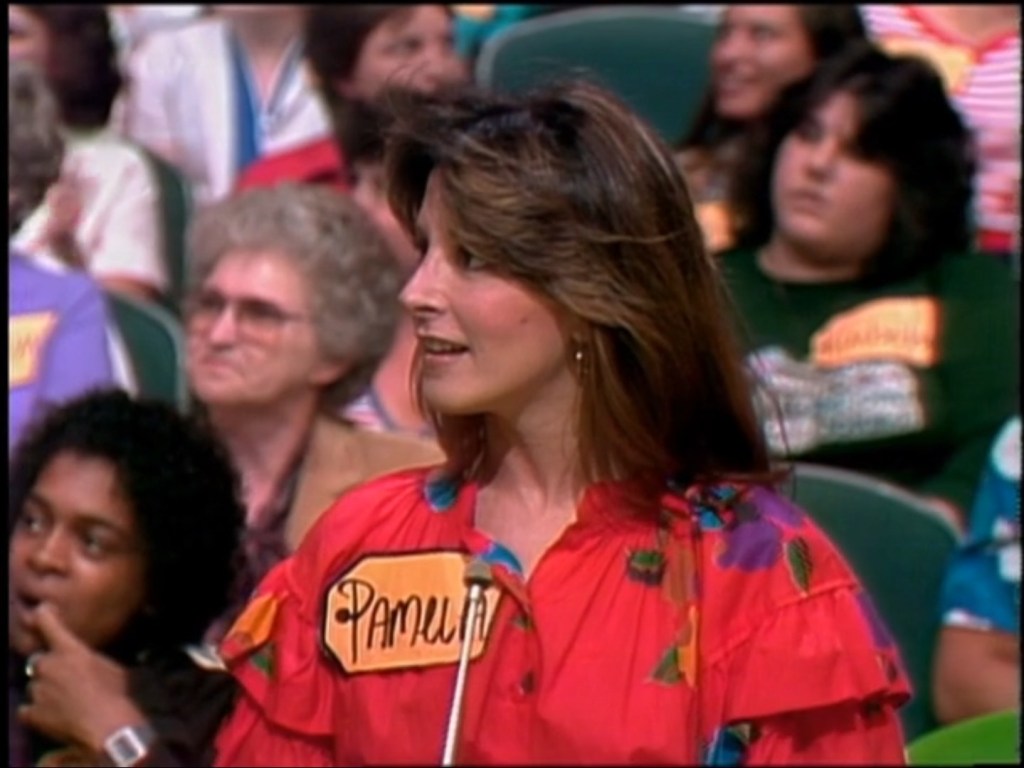
Memorable Moments
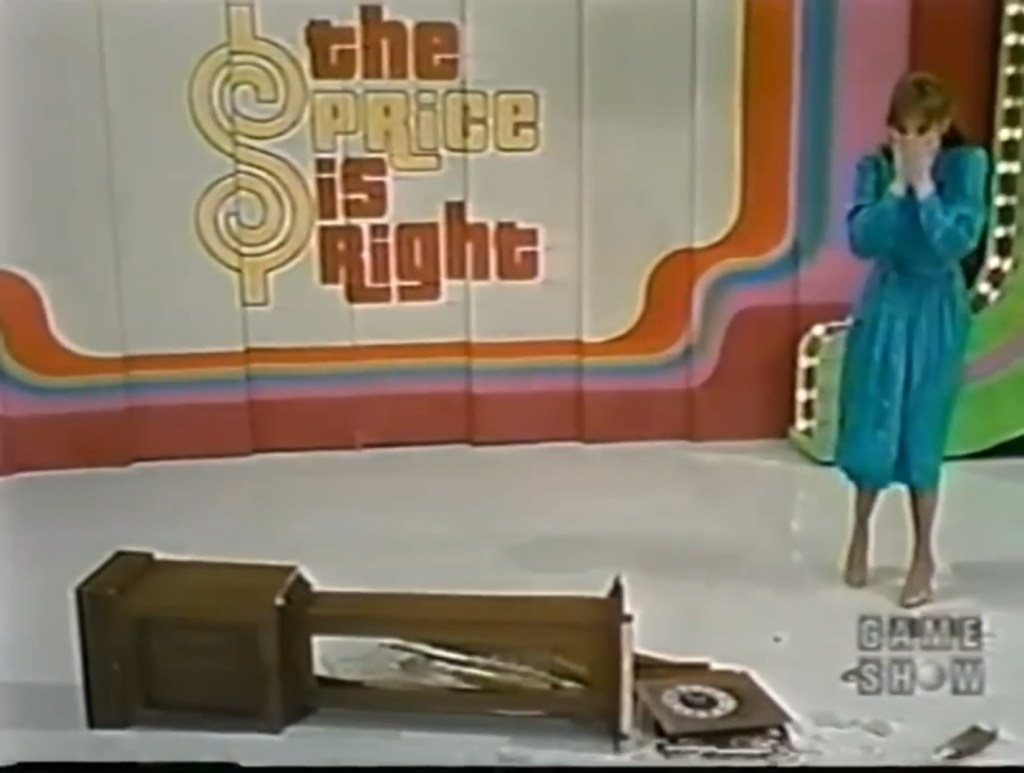
Beatrice’s showcase begins with this new grandfather clock… 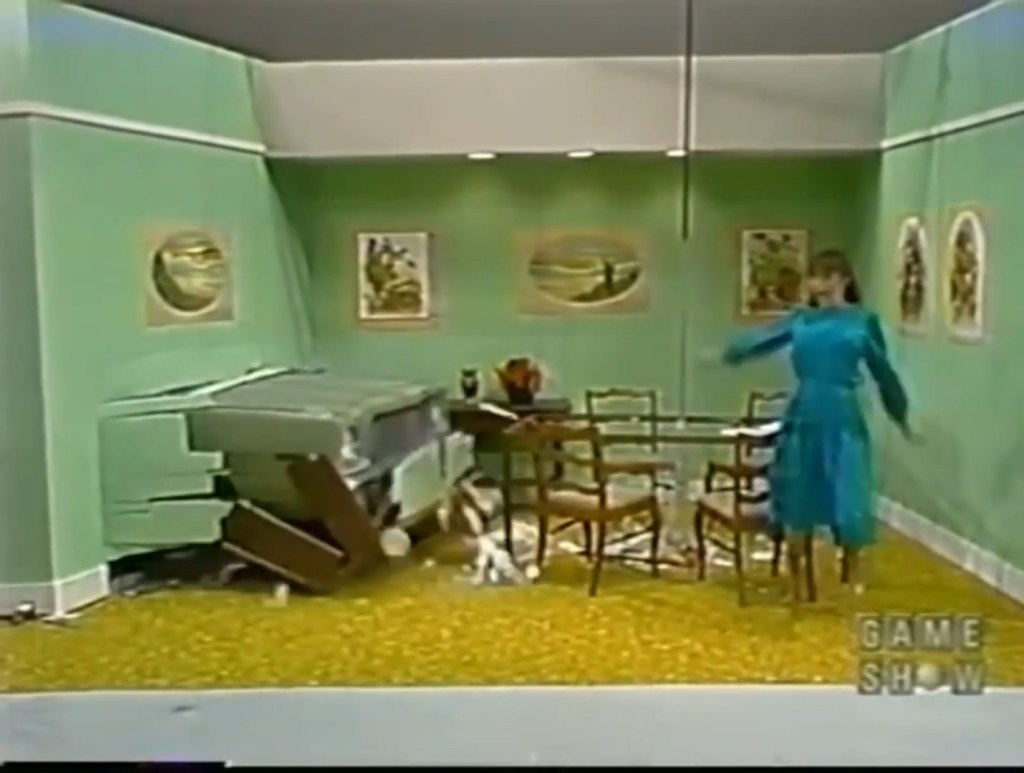
…and ends with this 1964 Valiant crashing through the set! 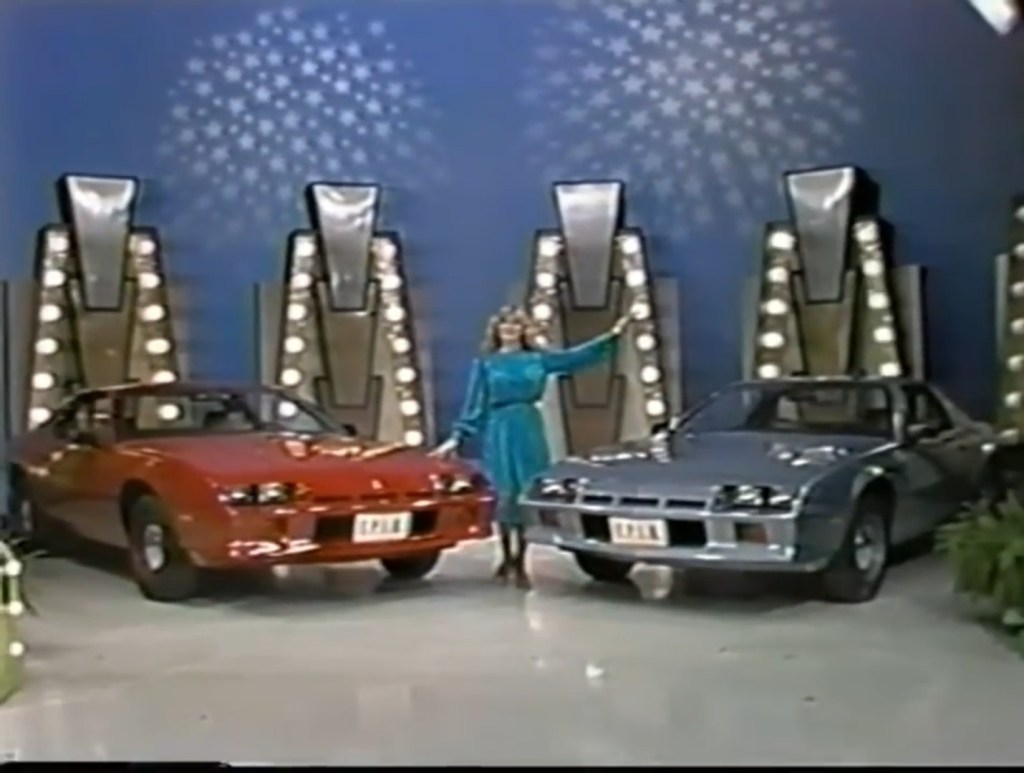
APRIL FOOLS! Her actual showcase includes two Camaro Coupes! 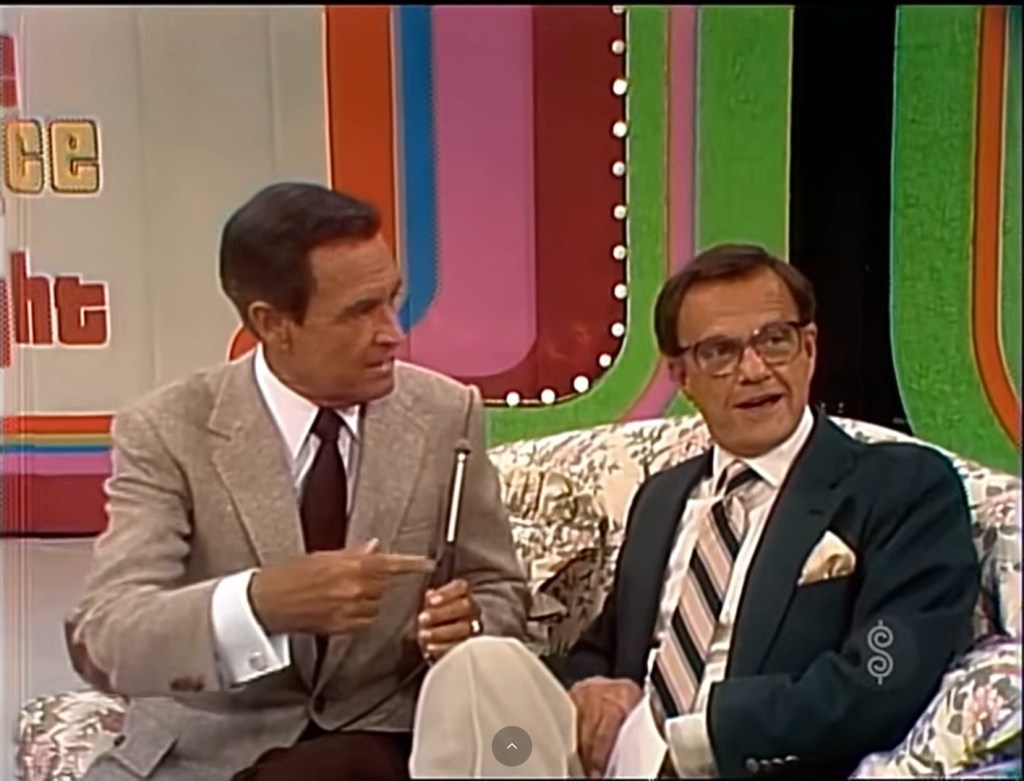
When TPIR hosts collide! Bill Cullen swings by to promote “Child’s Play”, which became TPIR’s new lead-in. 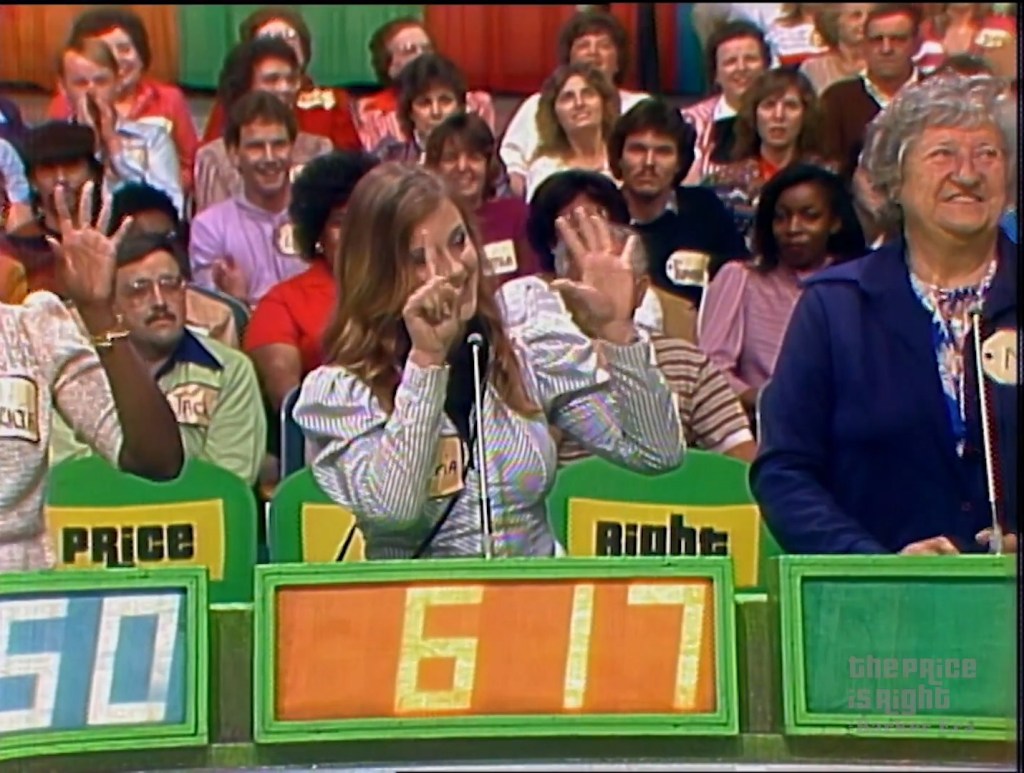
“Were they Richards lamps?” Victoria had memorized over 350 prices! 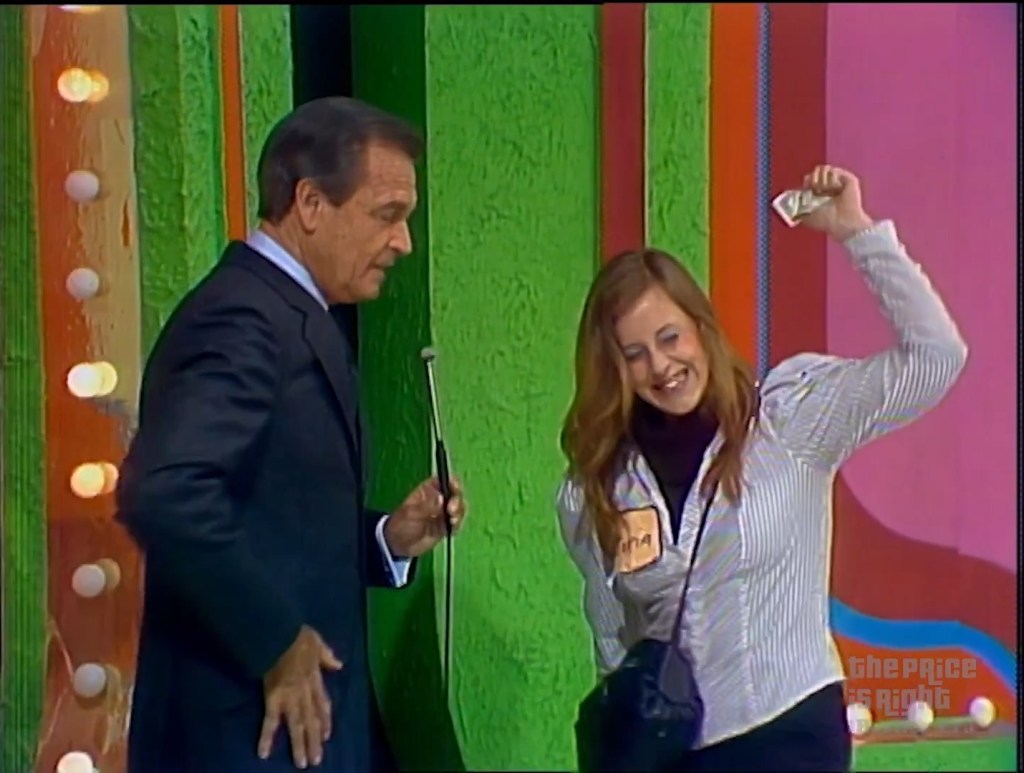
Sure enough, Victoria aced the price and wound up $100 richer! 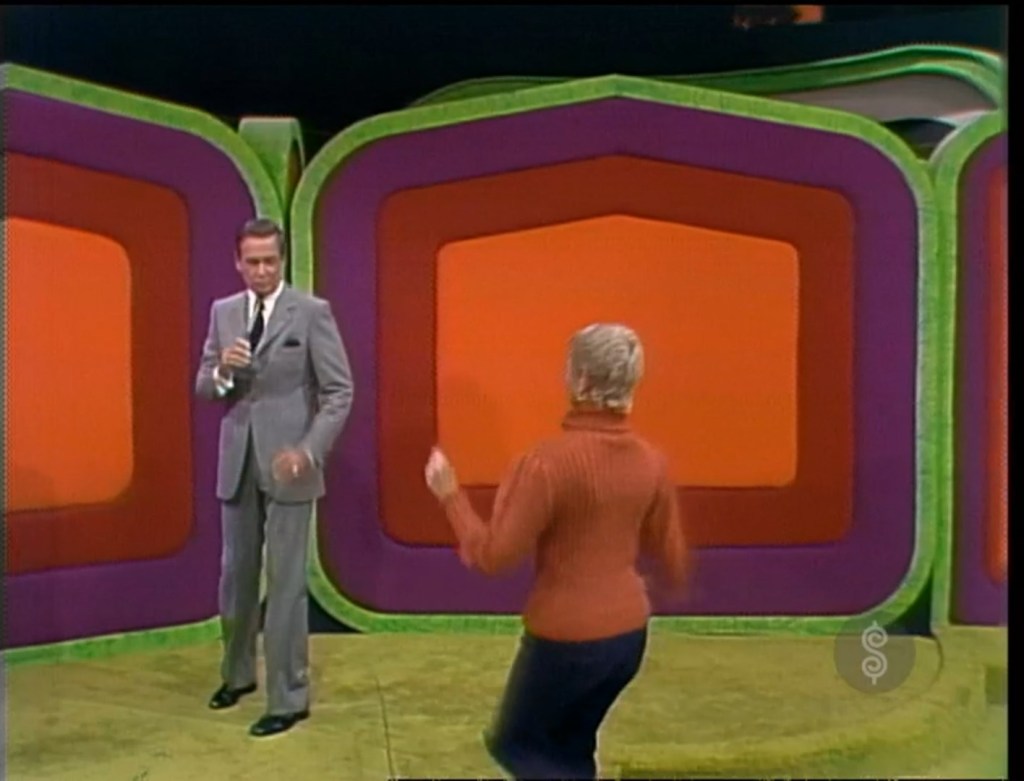
Midseason, the turntable walls gained their distinctive color pattern. 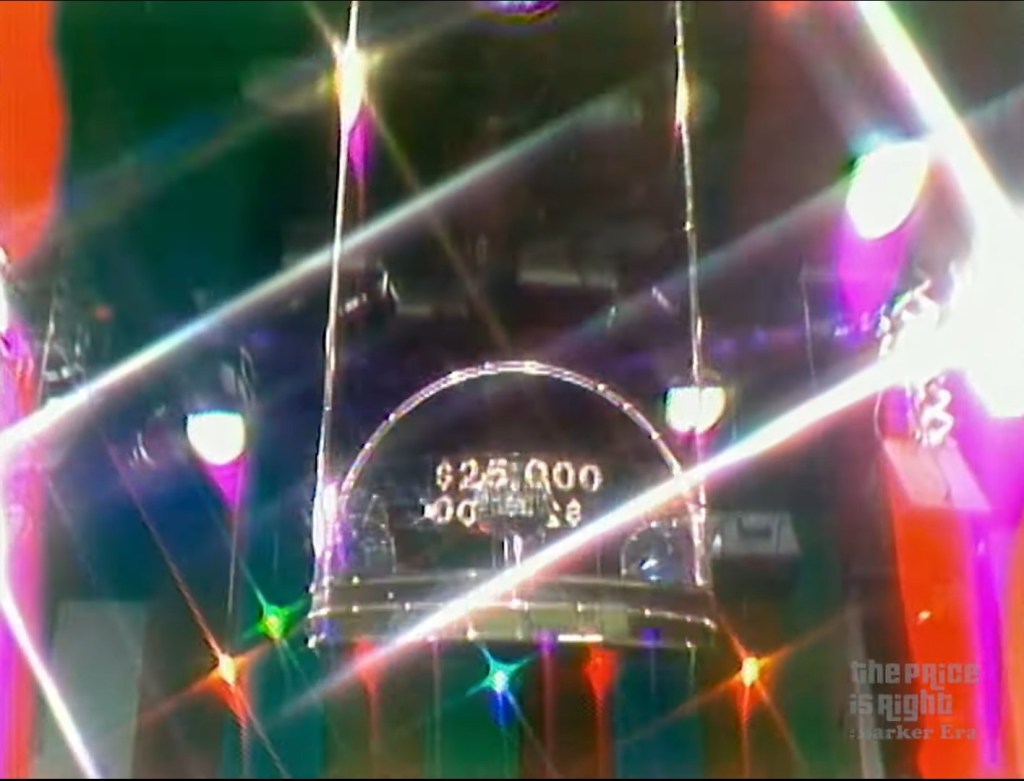
Plinko initially announced its top prize with a glitzy disco ball descending from the rafters… 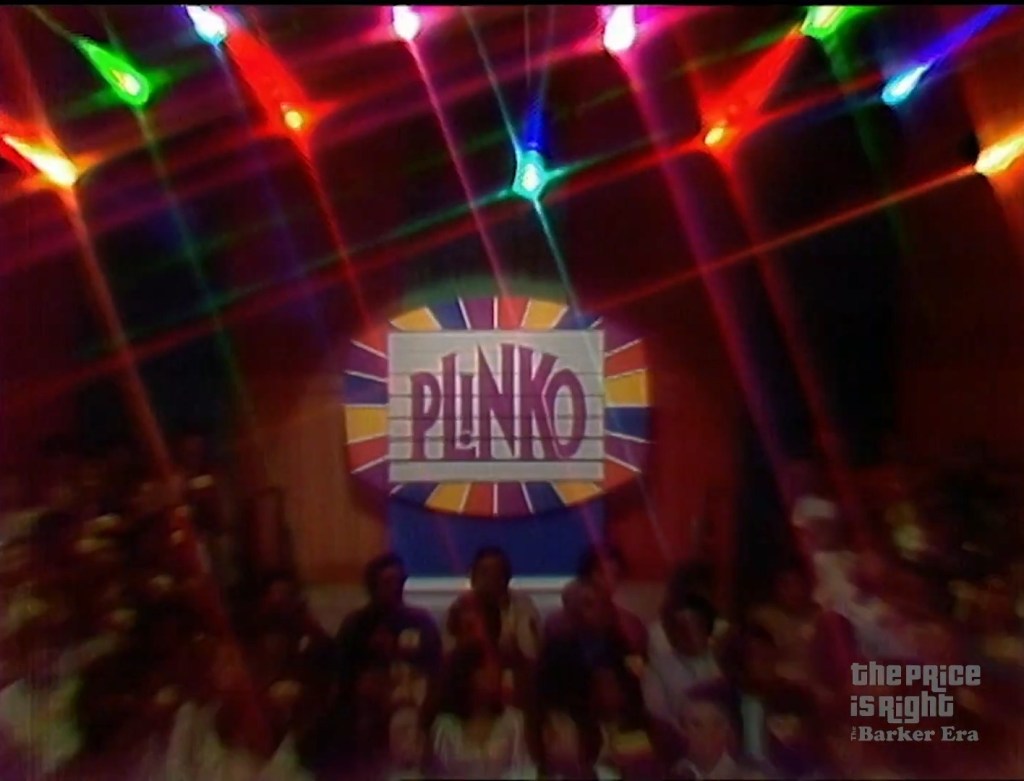
…it was quickly replaced by the popular Plinko sign.
Season 12 – Sep 1983 to June 1984
| “Ghostbusters” busts into theaters… | Mazda B2000 SE-5 Sport Truck: $6,835 |
| MTV brings British New Wave to the US… | Zenith 25″ Color TV Console with Space Phone: $1,325 |
| Breakdancing & hip-hop go mainstream… | Campbell’s Tomato Soup: 65¢ |
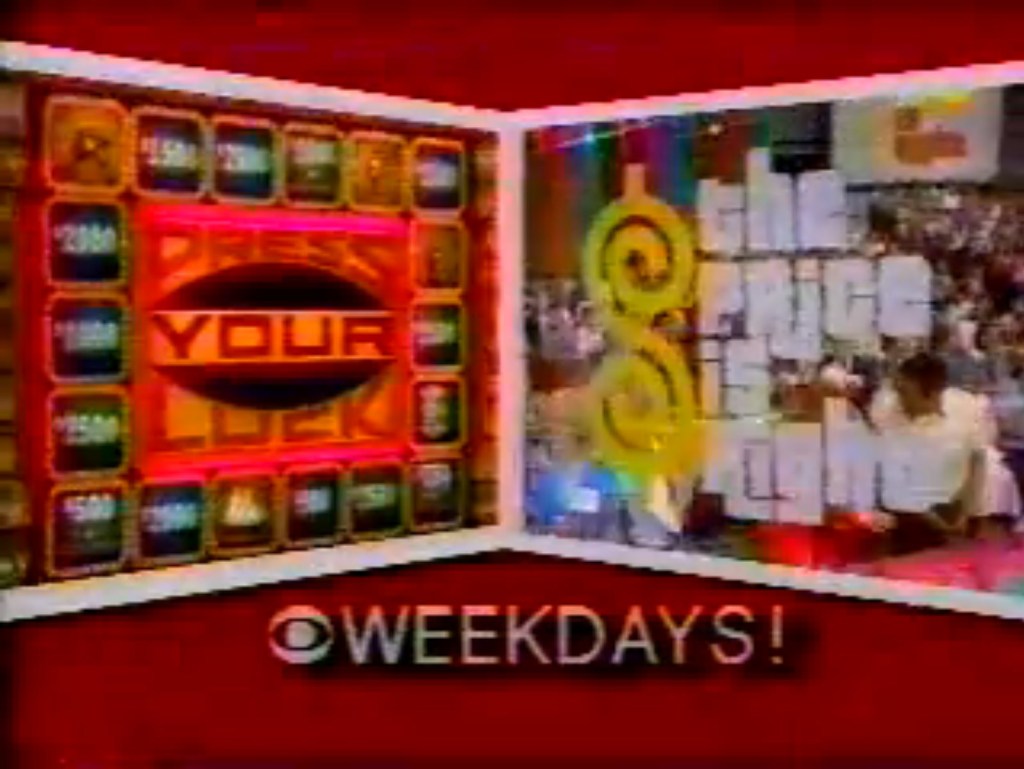
TPIR’s ratings continued to climb. By this point it had been several years since the second half-hour of TPIR had usurped Family Feud as the #1 half-hour of game show programming in daytime television. The new morning game show block had proved (mostly) successful, although Child’s Play was axed in favor of a flashy new show called Press Your Luck.
In November, TPIR posted its highest sweeps rating ever, with the second half being viewed by an estimated an estimated 8,800,000 American households, or 10.5% of American households owning a TV. As far as is known, this remains the single highest sweeps rating this version of TPIR ever achieved in daytime.
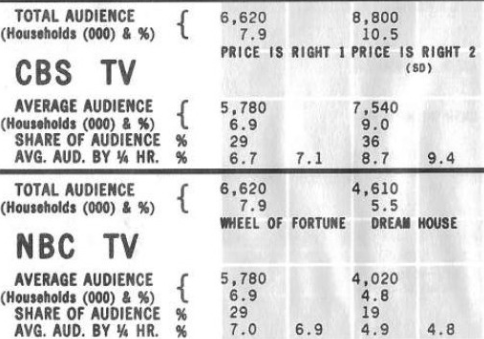
However, while the first half-hour of TPIR was still very successful, it was never quite as successful as the second half.
What’s more, NBC’s Wheel of Fortune had recently surged in the ratings. Its rise was buoyed in recent years by popular new host Pat Sajak, popular new hostess Vanna White, and a new hit nighttime syndicated version causing renewed interest in its daytime version. And NBC’s Wheel was still directly competing with TPIR’s first half-hour for viewership!
Wheel‘s gains threatened to come at the expense of TPIR. Something needed to be done to prevent viewers from changing the channel over to Pat Sajak and Vanna White as their star rose.
In an effort to protect the ratings of the first half of the show, a new much-hyped game featuring a home viewer tie-in was added, encouraging contestants to submit postcards and watch the first half for a special chance to win cash and prizes from their own home. The Phone Home Game was highly promoted, even on episodes that it didn’t air, and a special week of shows was even commissioned to ramp up interest.

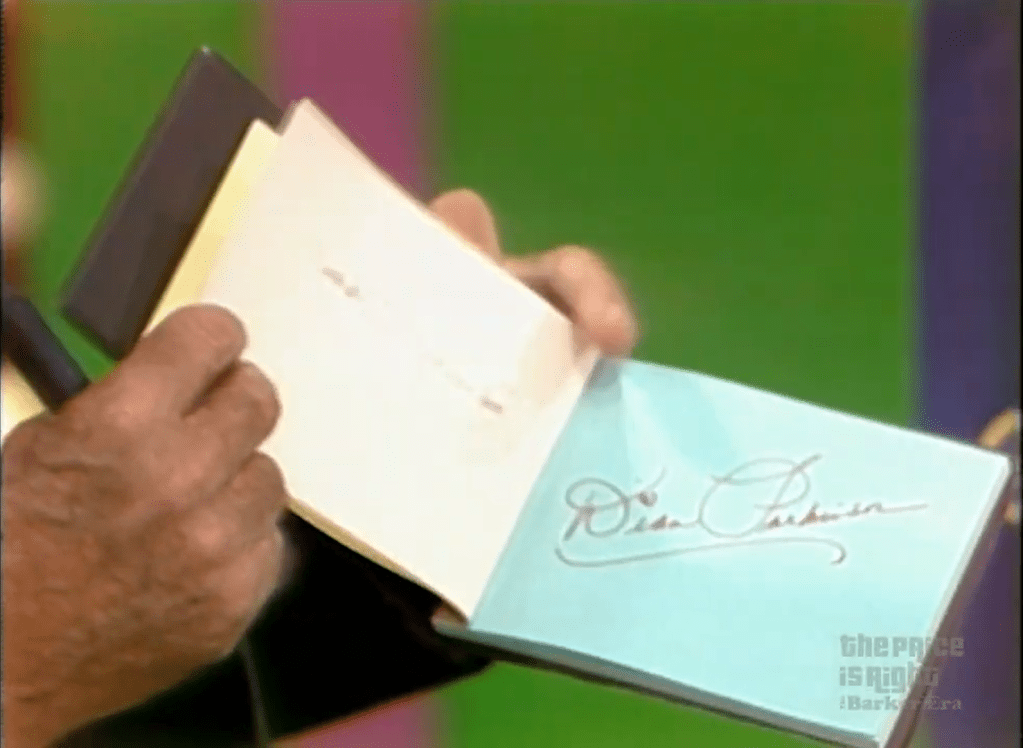
Producers worked hard to ensure that TPIR could meet the standard of its competition. Price continued to double down on its cast as a core strength, possibly to counteract Pat and Vanna’s chemistry. Another new game gave signatures of Bob, Johnny, Dian, Holly, and Janice away as token prizes.
TPIR’s everyday staff did not rest on its laurels eleven years into its run, either; each day, the cast and crew worked hard to convince viewers to tune in and invite the glitz and glamour of Hollywood into their own home. These efforts earned director Marc Breslow a second Emmy for directing… and Bob a second Emmy for hosting.
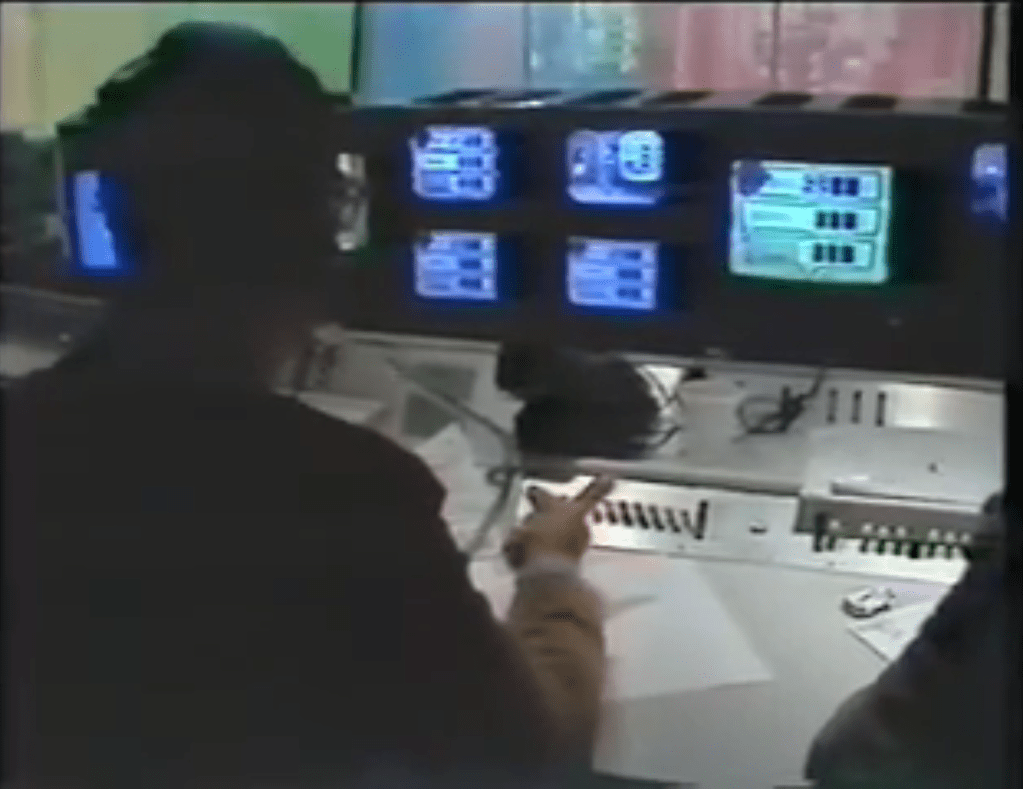
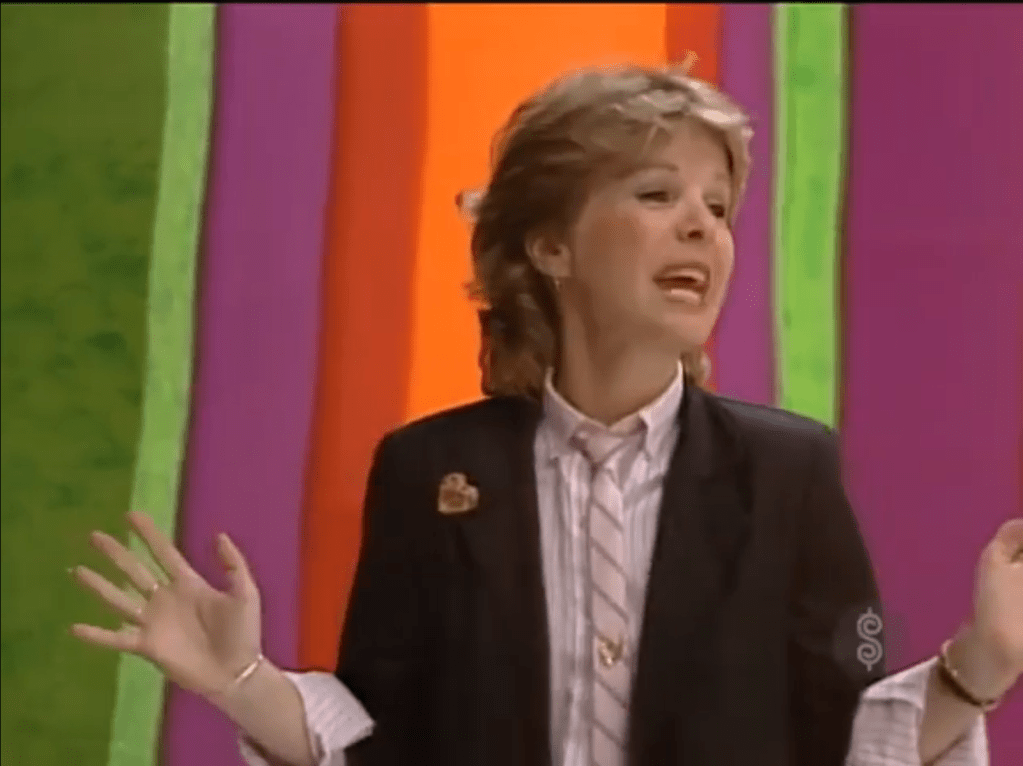
In early 1984, Barbara Hunter, one of the two head producers, left TPIR after an six-year stint. After seeing her success on TPIR, CBS had hired her for an executive position as Director of Daytime Programming. She went on to shape CBS’ daytime lineup throughout the 80’s and 90’s.
Barbara’s role as producer would be filled by 39-year-old Roger Dobkowitz. Roger had been one of the staff members with TPIR since day one, hired out of college for his first job in television after presenting Mark Goodson with his master’s thesis he had written on game shows. After 12 years at TPIR, Roger had managed to create games, become experienced with most positions, and mesh well with the staff.
Roger and Phil Wayne Rossi would serve as the two head producers for over two decades following.
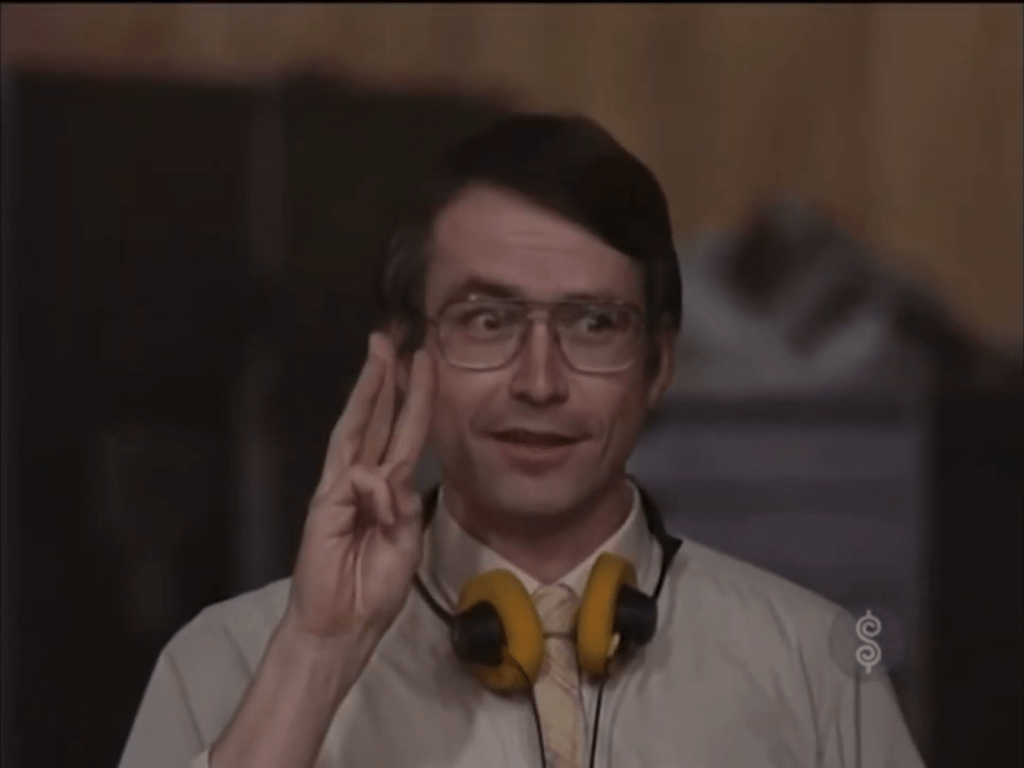
New games:
Games retired: None
Contestant Hall of Fame
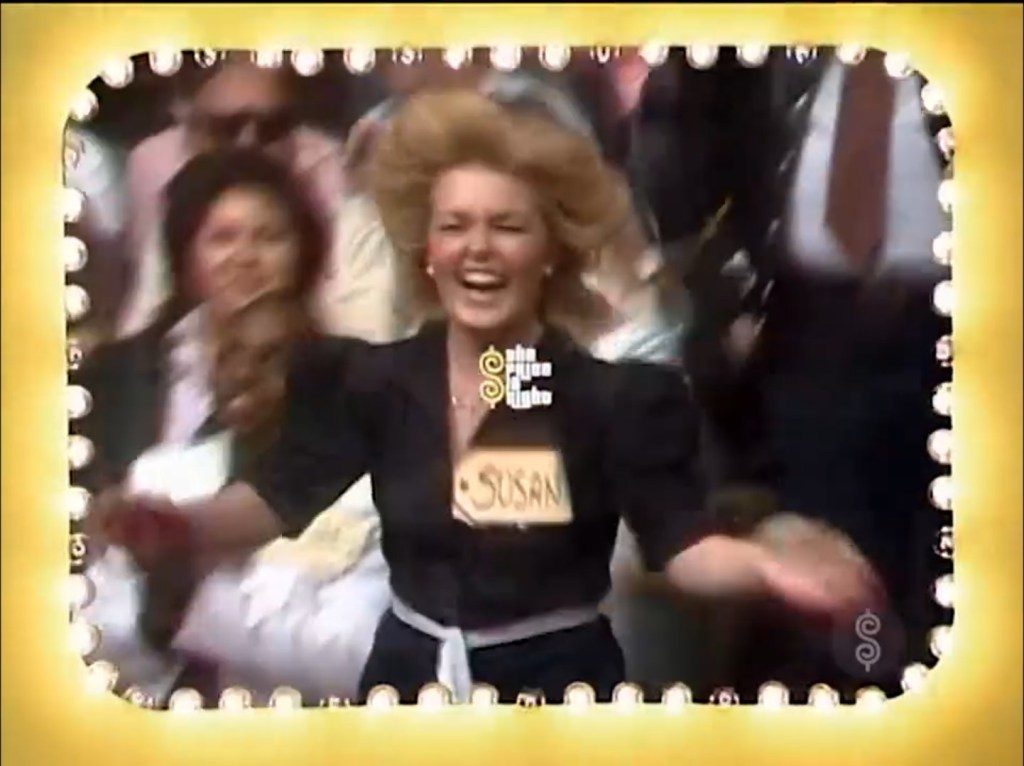
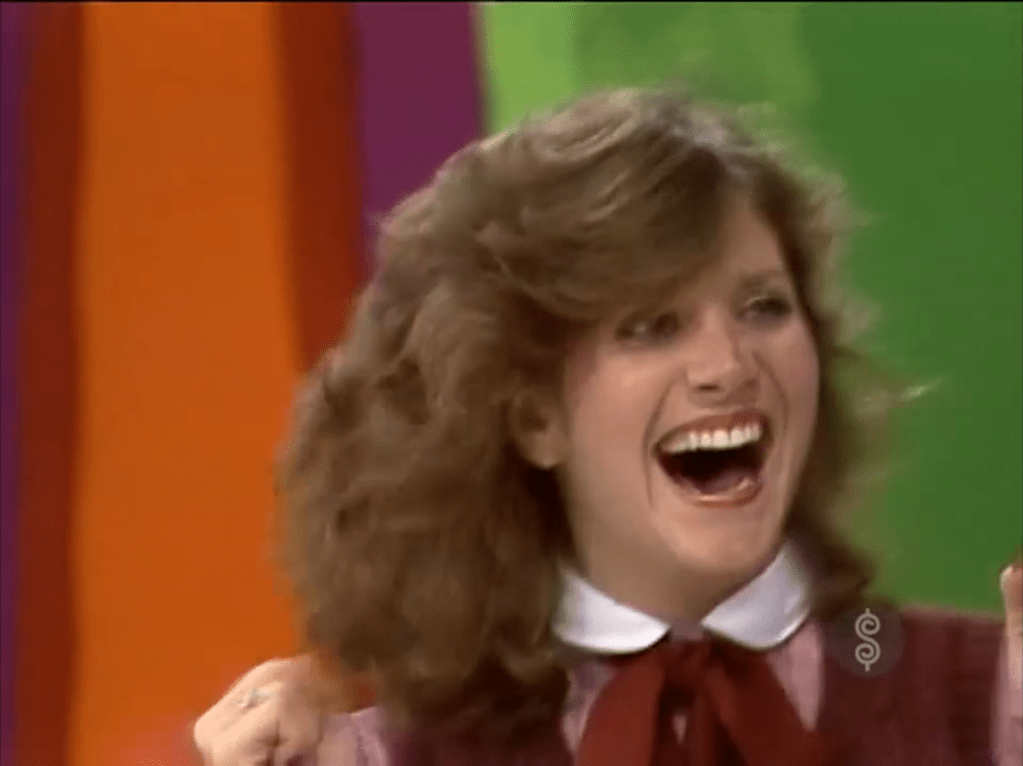
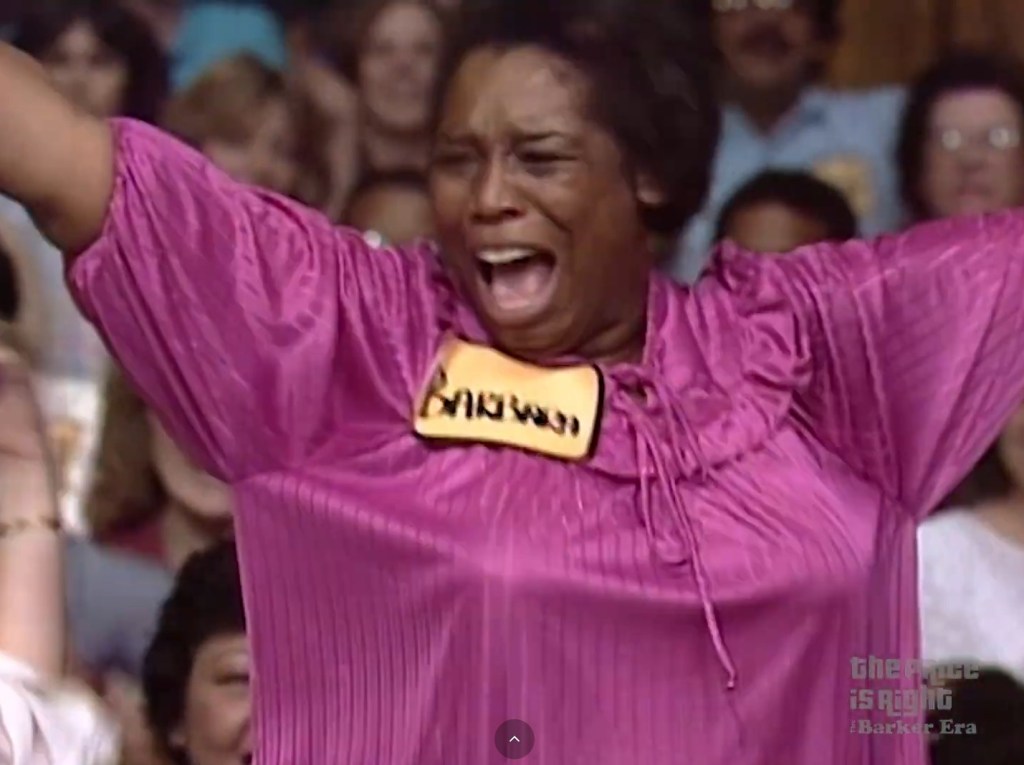
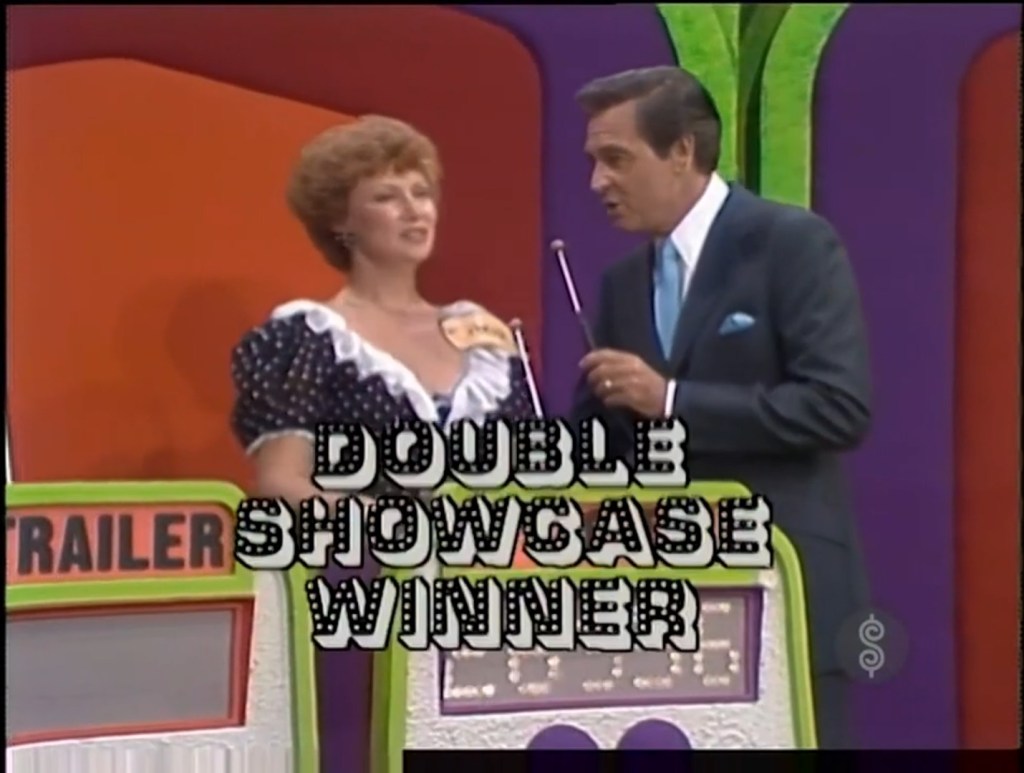
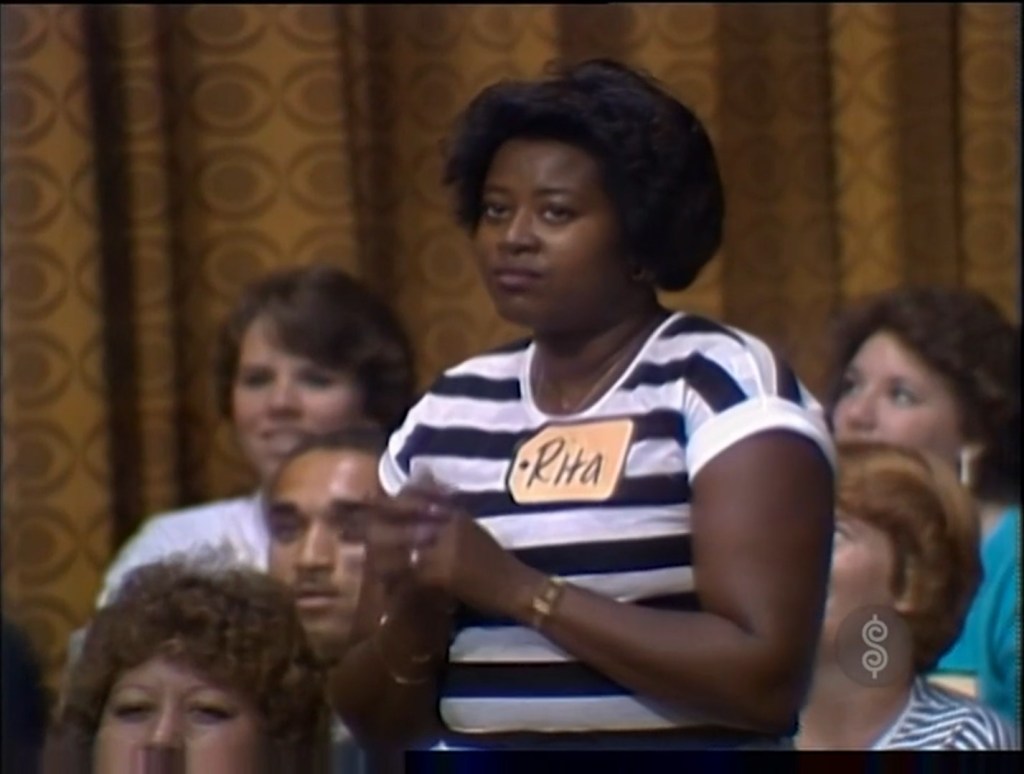
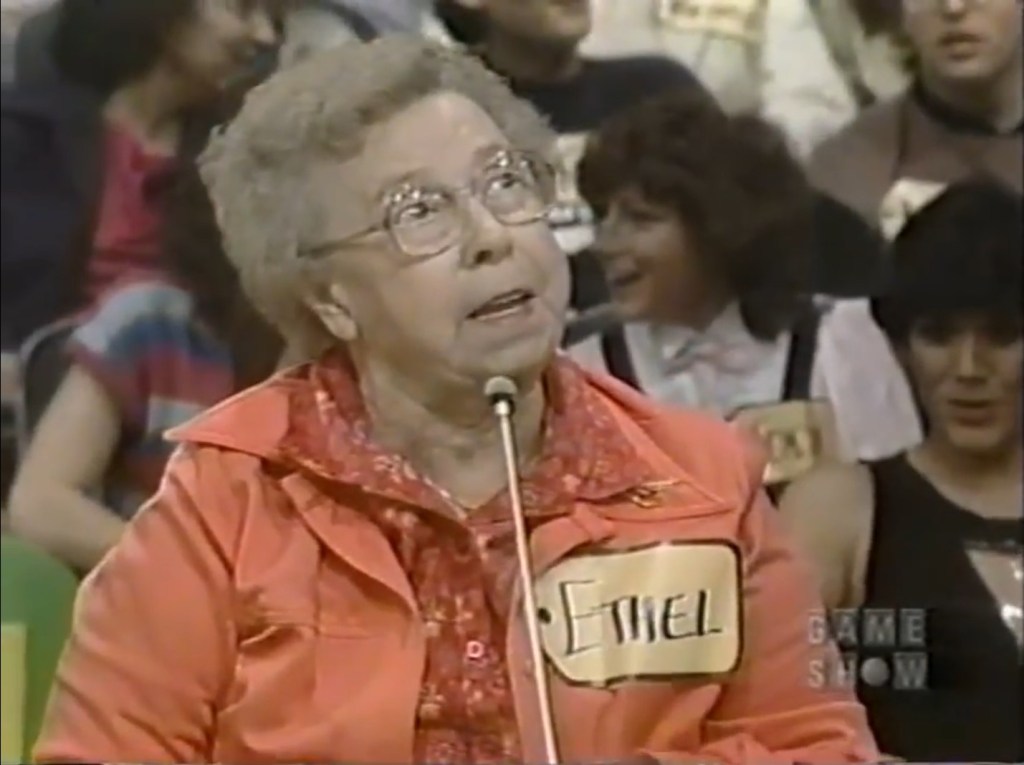
Memorable Moments
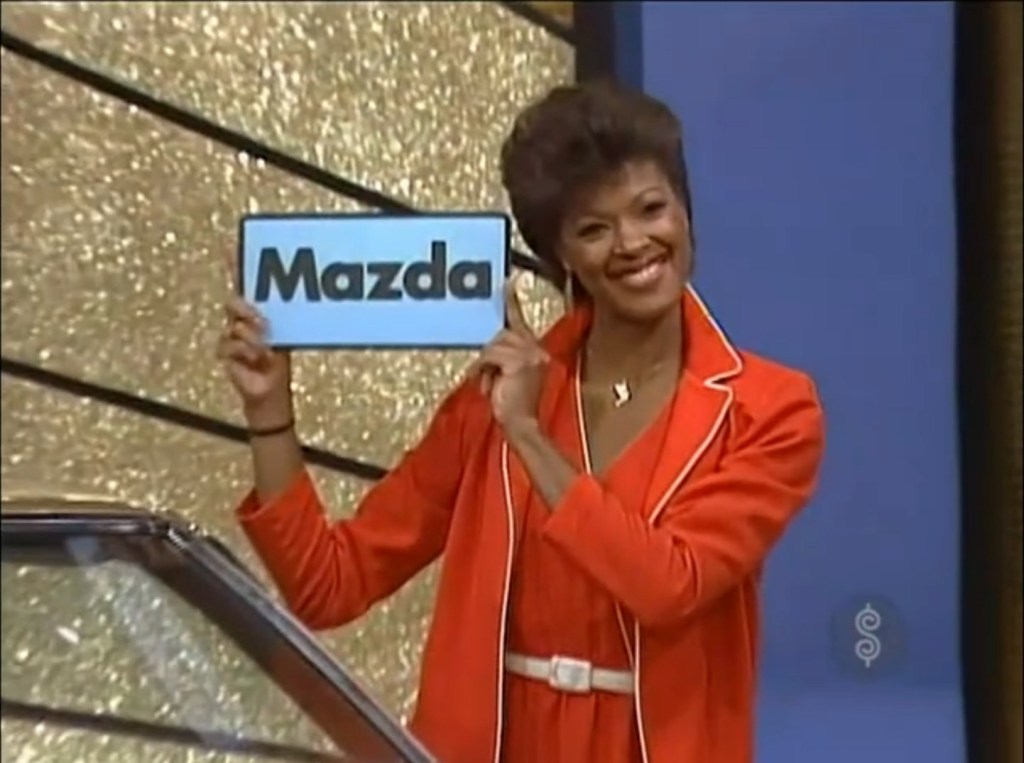
When Holly stepped away for a few weeks, a series of substitute models filled in… including the daytime show’s first Black model, Pat Colbert from “Dallas”. 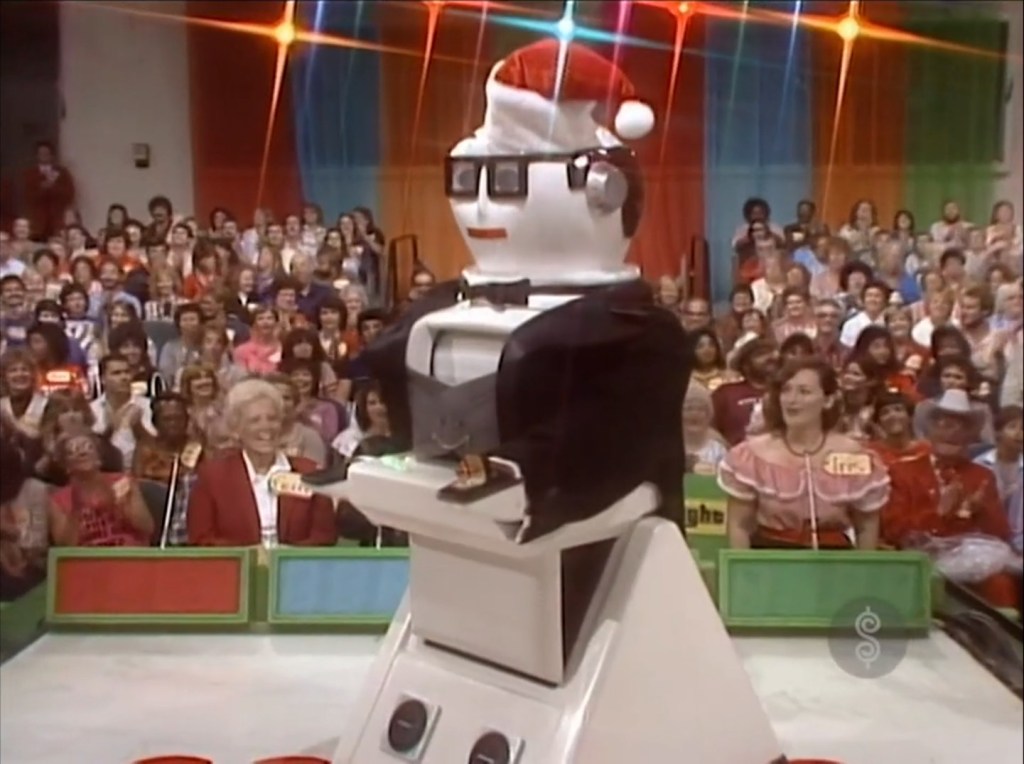
A new permanent model was introduced… a ROBOT. Here it is modeling a ring! 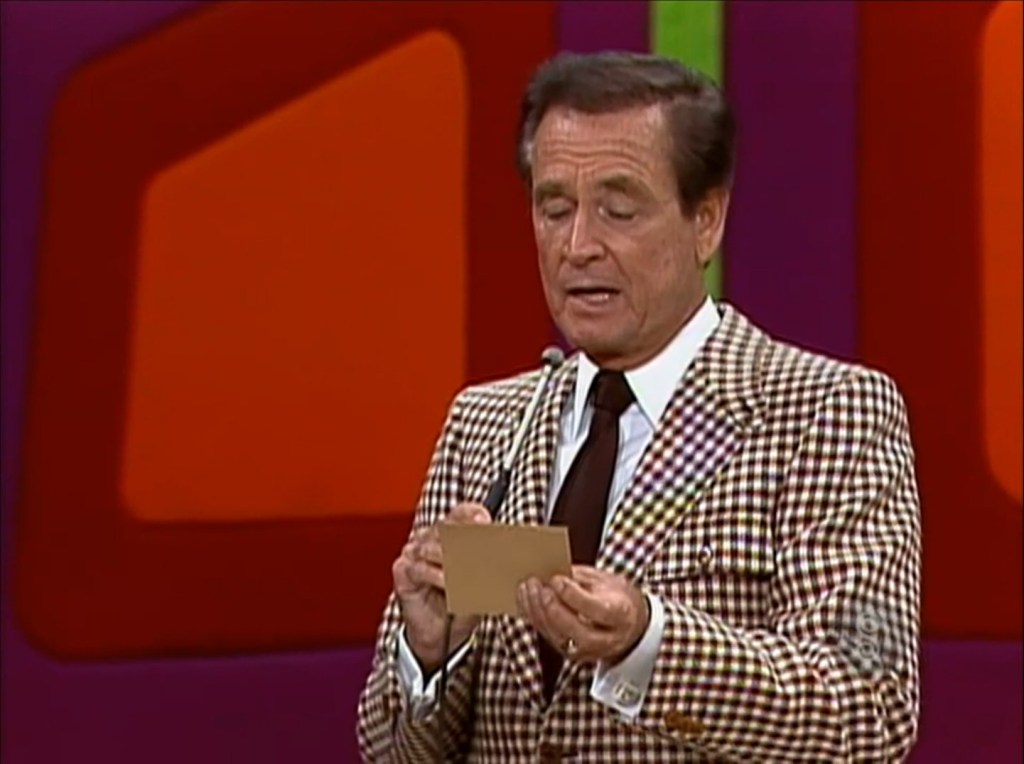
Somebody asked how often Bob had been kissed. Barbara hunter during the break calculated if they averaged one kiss per contestant, Bob would have received over 15,540 by now. 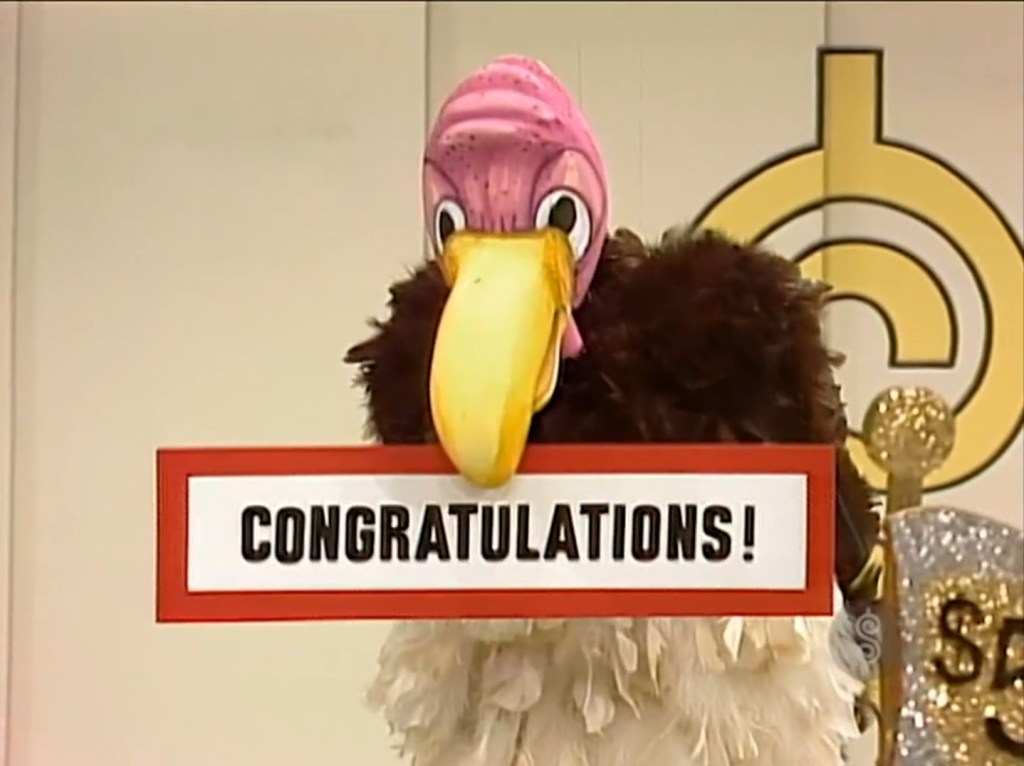
Bob was in such a putting rut in Hole in One, the staff surprised him after making one by dropping a turkey from the ceiling! 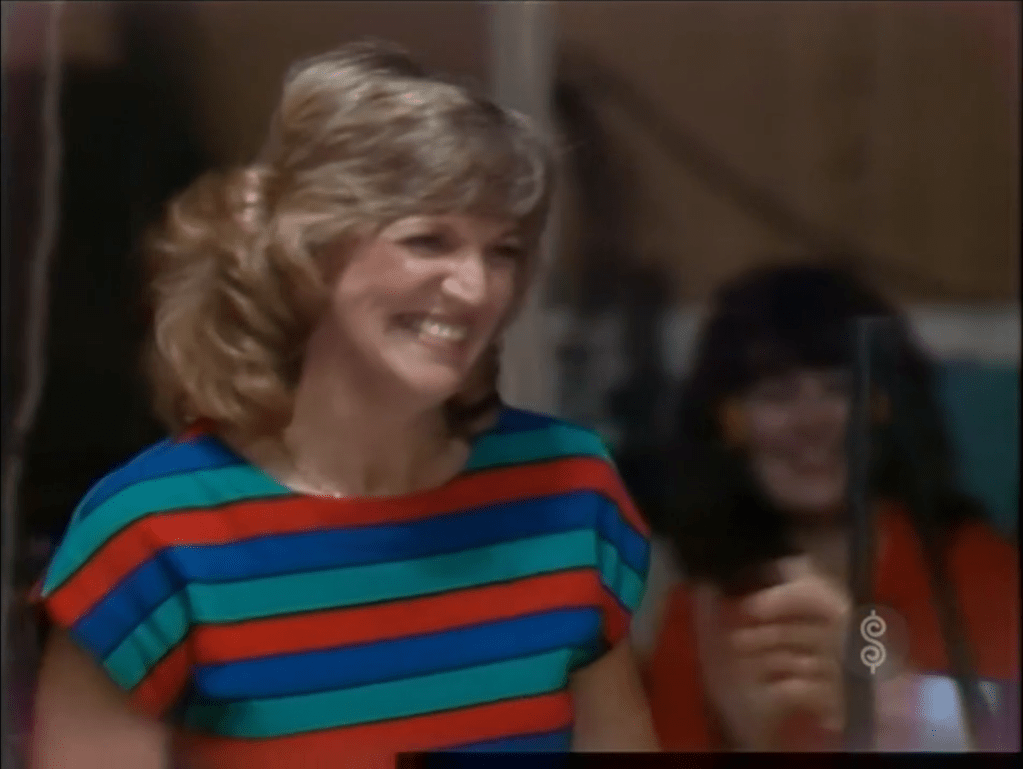
On her birthday Bob congratulates producer Kathy McDonald on becoming Kathy Greco after her recent marriage. 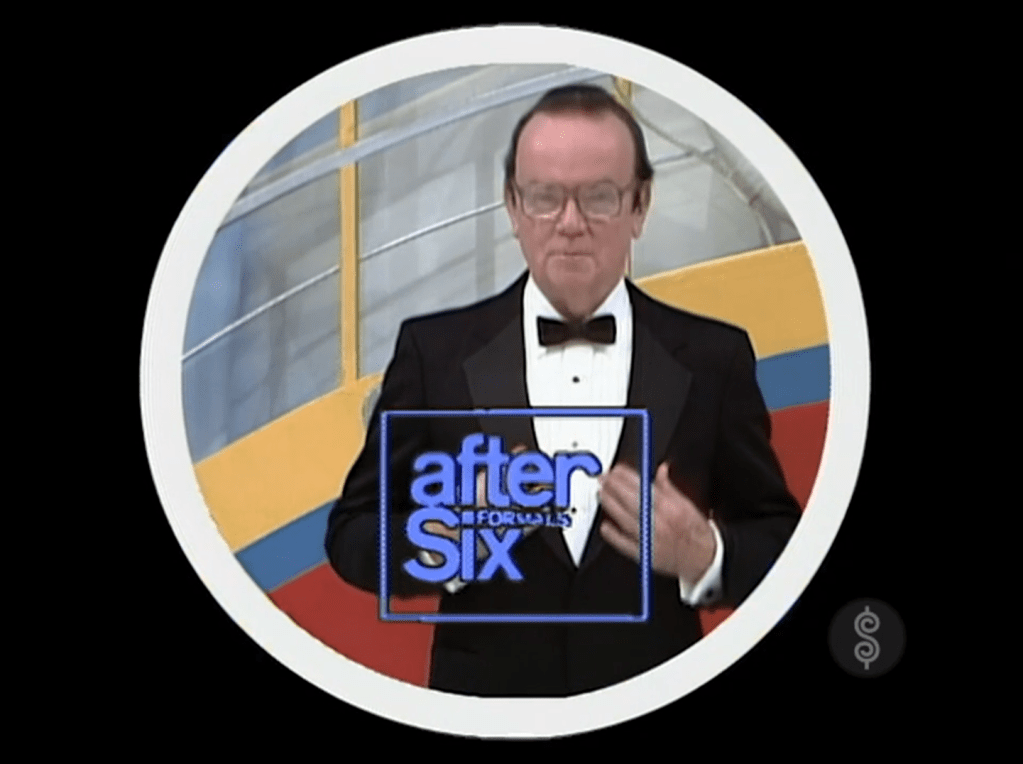
Johnny models a tuxedo in a showcase themed around an elegant cruise. 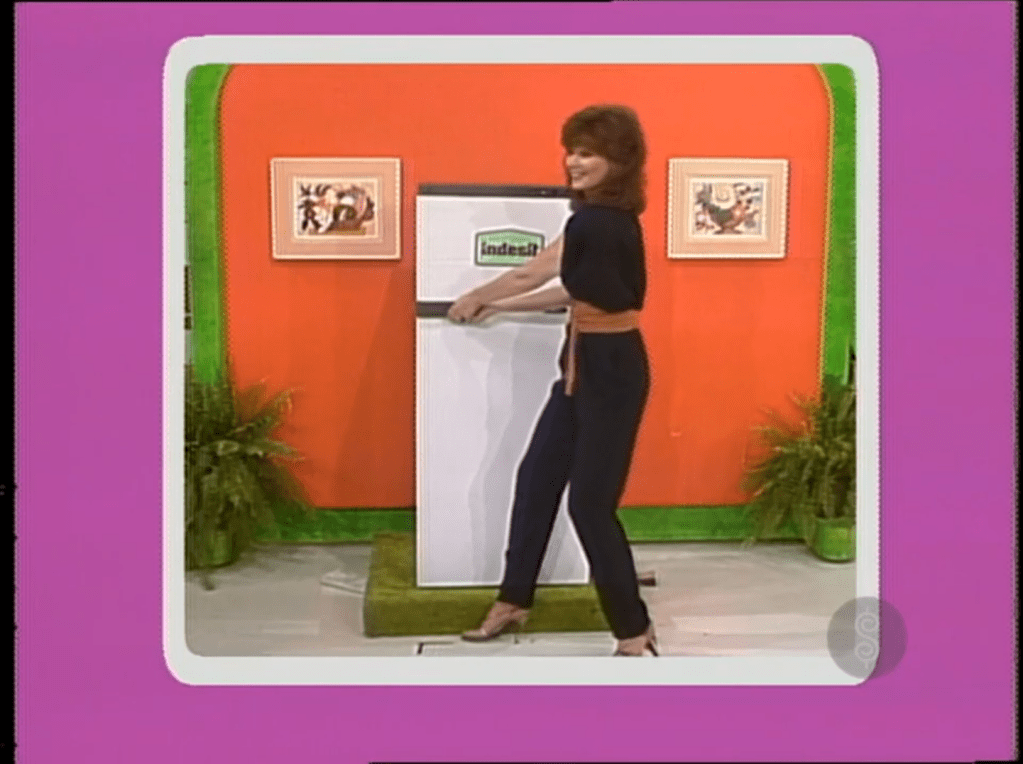
Holly struggles to open a stuck refrigerator door. No retakes! 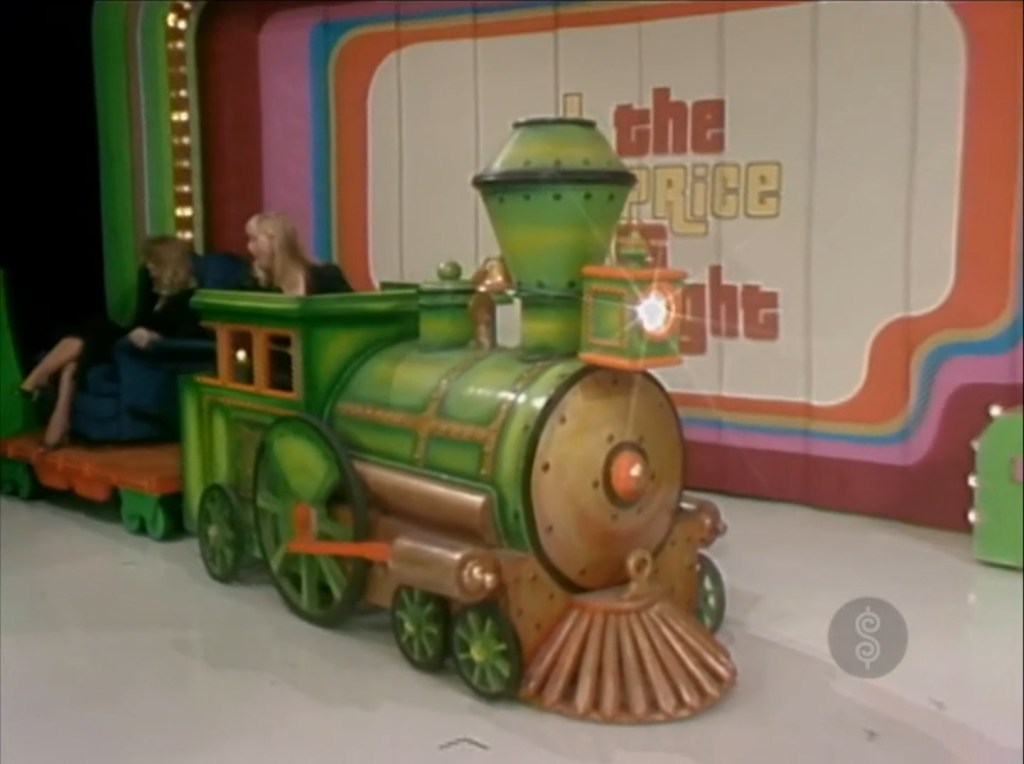
Not to be outdone, Janice clipped the turntable wall while driving out the train! 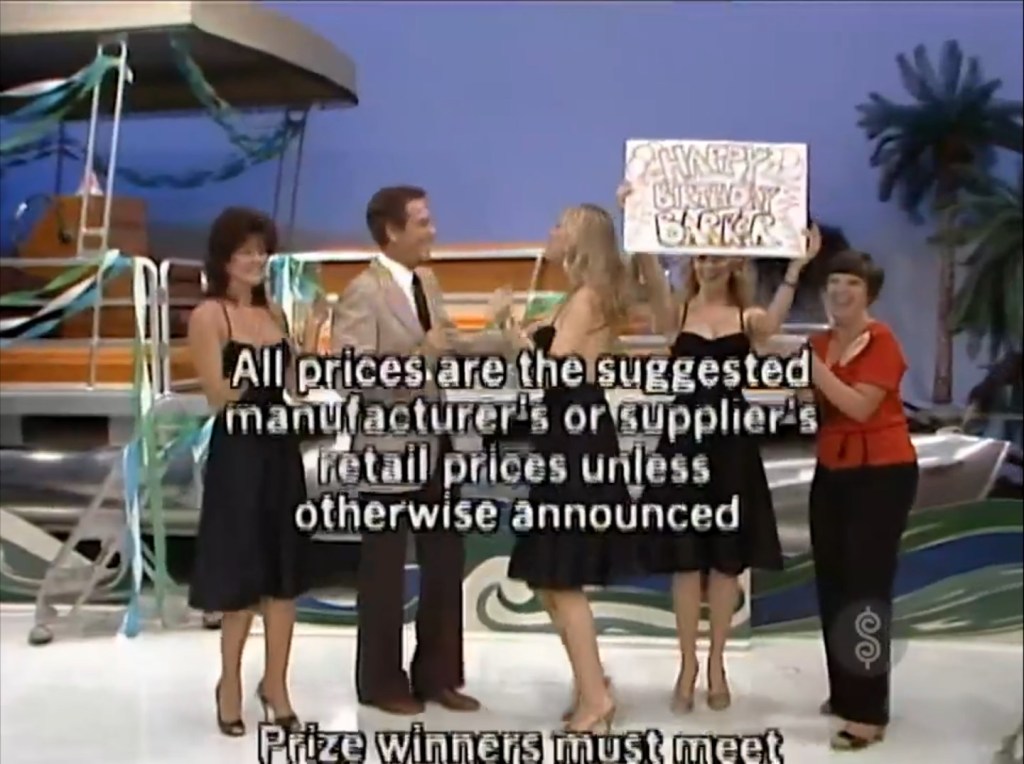
For Bob’s 60th birthday, Dian surprised Bob with a cue card reading “HAPPY BIRTHDAY BARKER”. 
“Here it comes, Markie and Mary!” If a staffer’s family was visiting in the audience that day, Johnny would shout them out in the show’s intro. 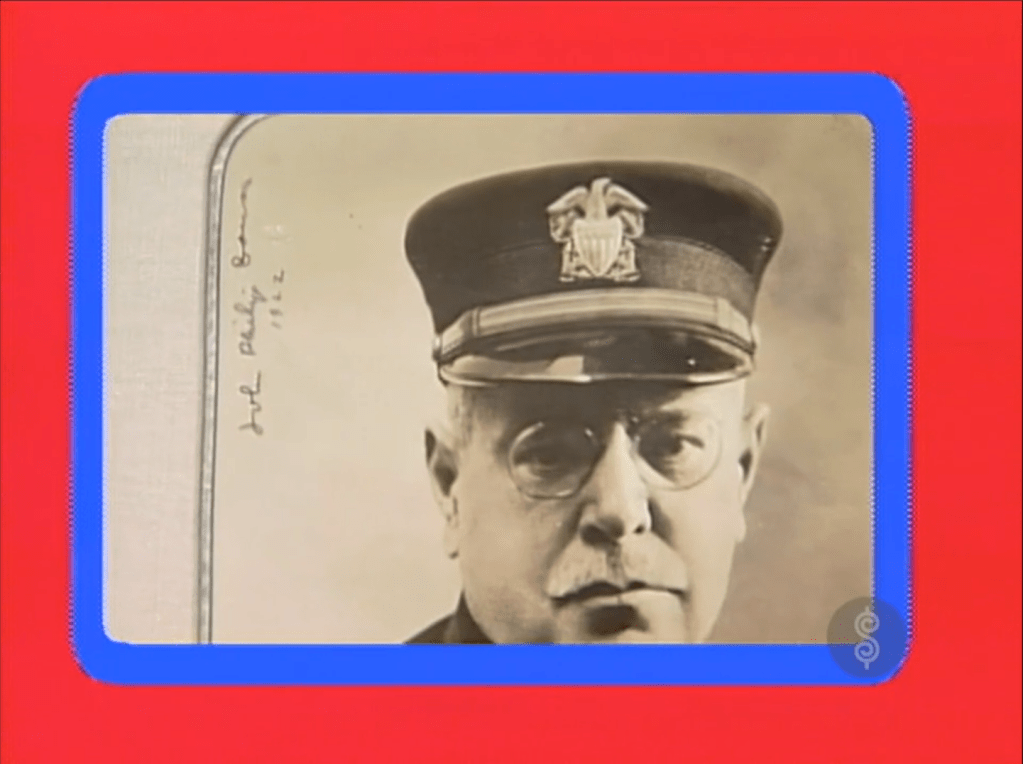
This showcase contains an autograph from John Philip Sousa, which is included as a bonus not to be included in the contestant’s bid. 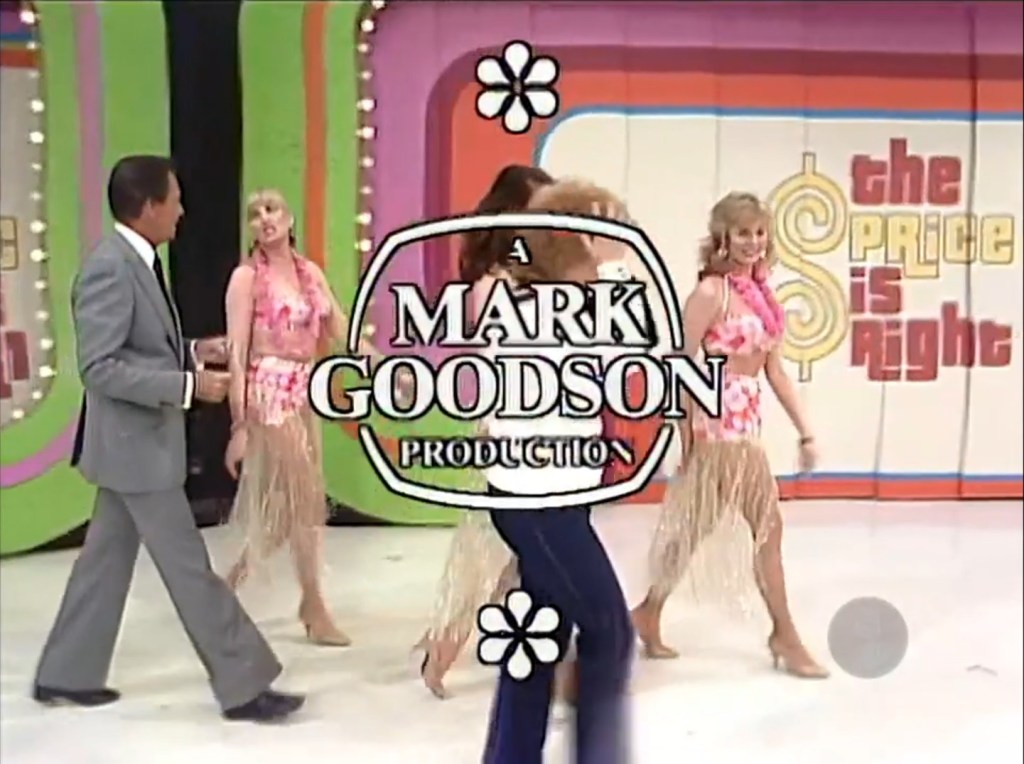
Several years after Bill Todman’s passing in 1979, the company name and credits were modified to credit Mark Goodson Productions. 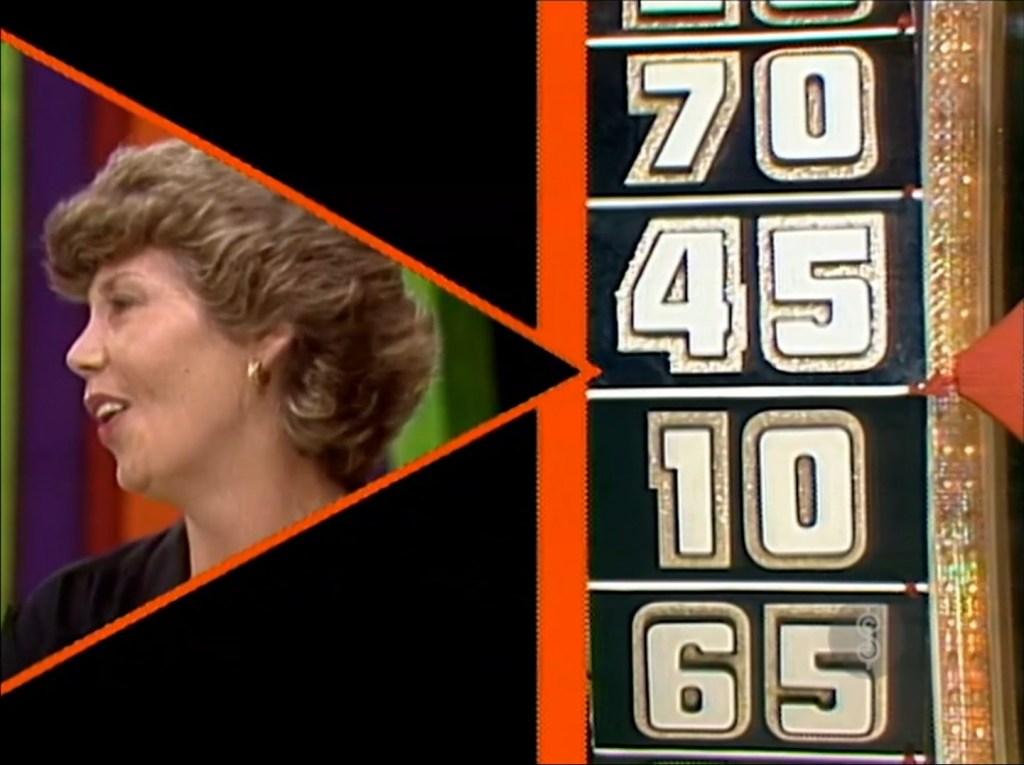
Sandra spun a dime in the spin-off… 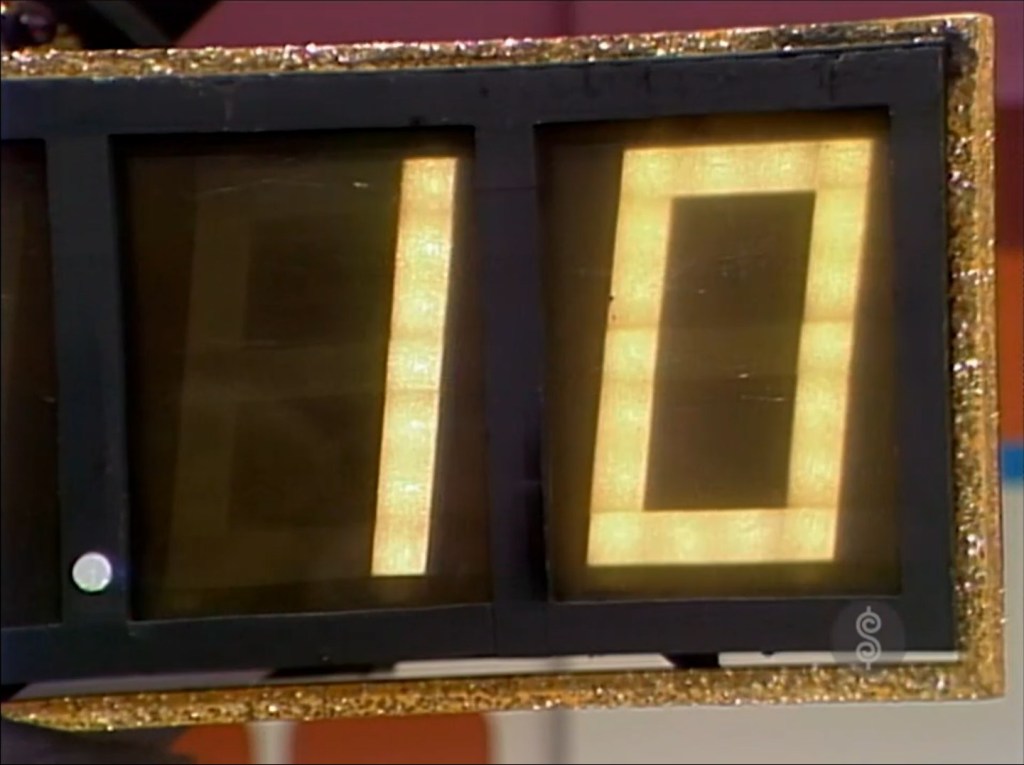
…but advanced to the showcases after her opponent spun a nickel!
Season 13 – Sep 1984 to Jun 1985
| Hulk Hogan becomes first wrestler on “Sports Illustrated”… | Dodge Daytona Turbo Sports Car: $11,526 |
| Marty McFly goes “Back to the Future”… | Hitachi 13″ Color TV: $400 |
| Nighttime Wheel of Fortune becomes a smash syndicated hit… | Emperor Grandfather Clock: $1,200 |
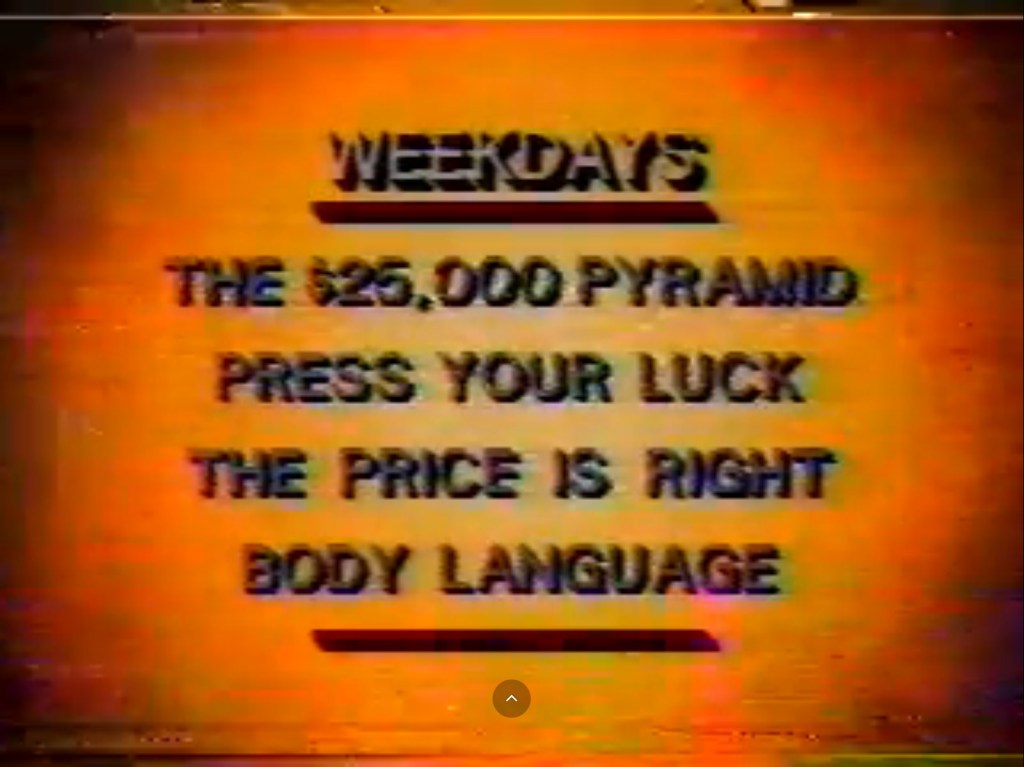
The second half of Price held onto its lead as television’s #1 daytime game show half-hour. The first half remained in a neck-and-neck battle with Wheel as the popularity of both shows continued to maintain their highs. Even with the increased competition, the CBS game show block of $25K Pyramid/Press Your Luck/TPIR proved very formidable against NBC and ABC’s daytime offerings.
As had happened every few years, TPIR got another minor set refresh. This new wave of changes brought new showcase podiums, pink borders on Contestant’s Row, a new light border, various lighting changes, and a new display on the Big Wheel.
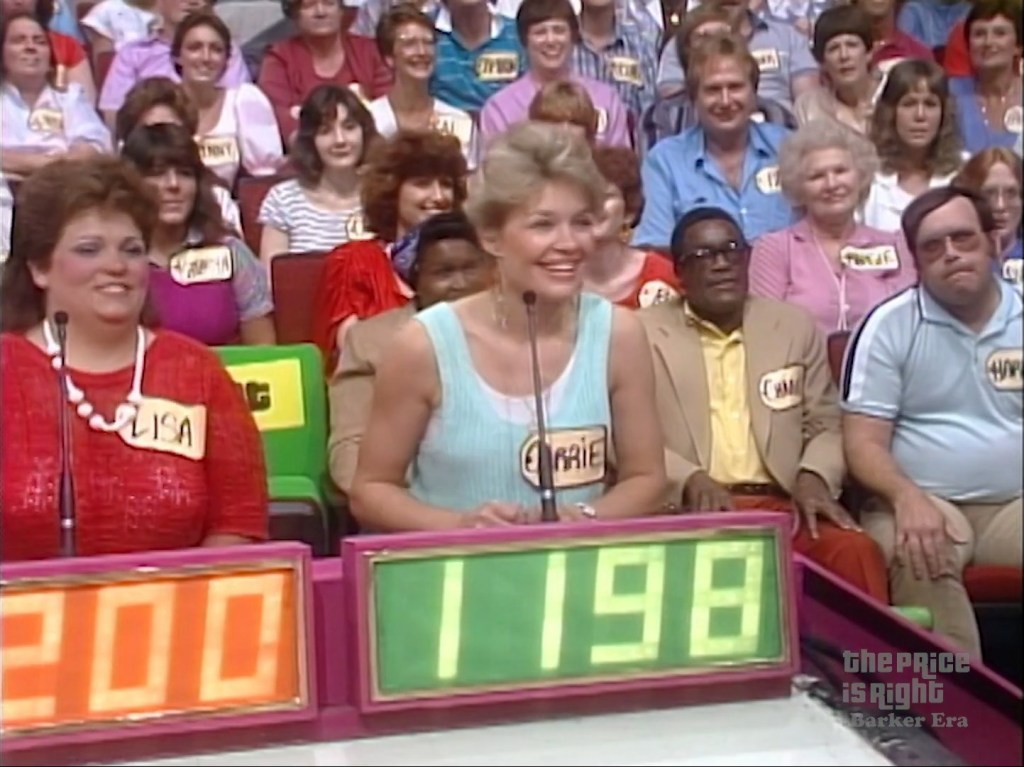
The crew continued to demonstrate their mastery of live chaos. Not only did Marc Breslow win a third Emmy for directing, but the rest of the camera crew and TD also won a Daytime Emmy for Outstanding Technical Direction.
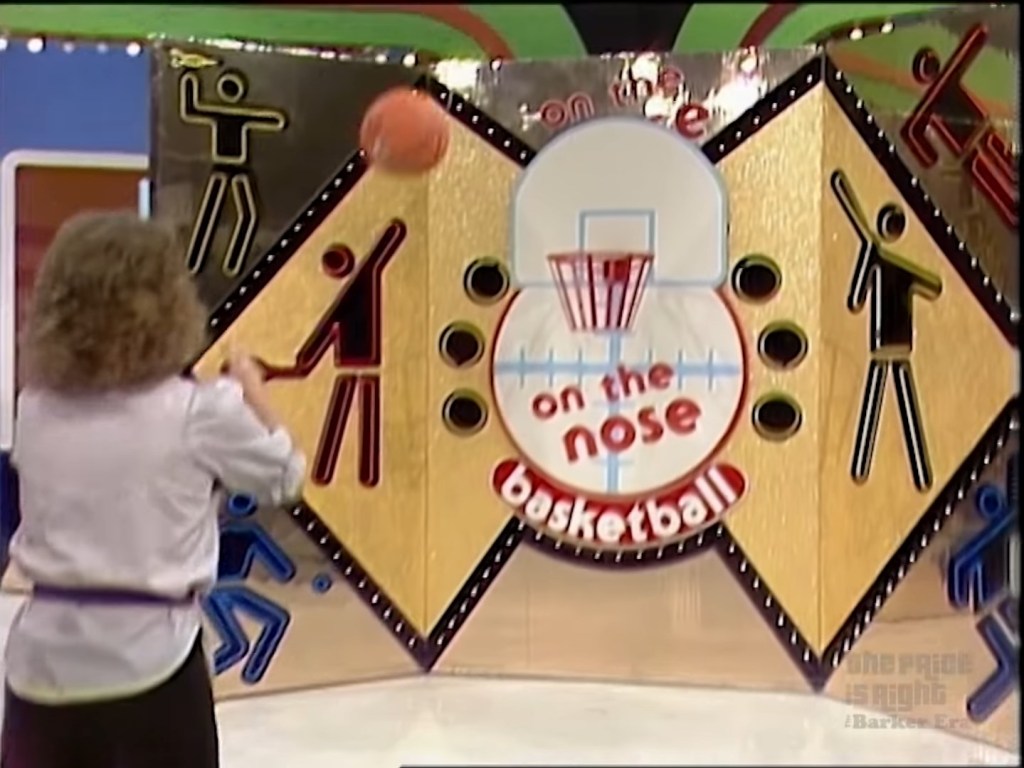
The 1984 Summer Olympic Games were also held in Los Angeles this year. Although CBS did not have the rights to Olympic coverage, a new game based on feats of physical skill debuted. The feats were simple carnival games, but Bob’s presentation treated it as if it were a formal athletic event.
CBS raised their winnings cap to $50,000 this season, which allowed for more variance in what prizes could be offered. Showcases were particularly affected by the expanded range; a typical showcase could offer as little as $5,000 or as much as $20,000.
New games:
Games retired: None
Contestant Hall of Fame
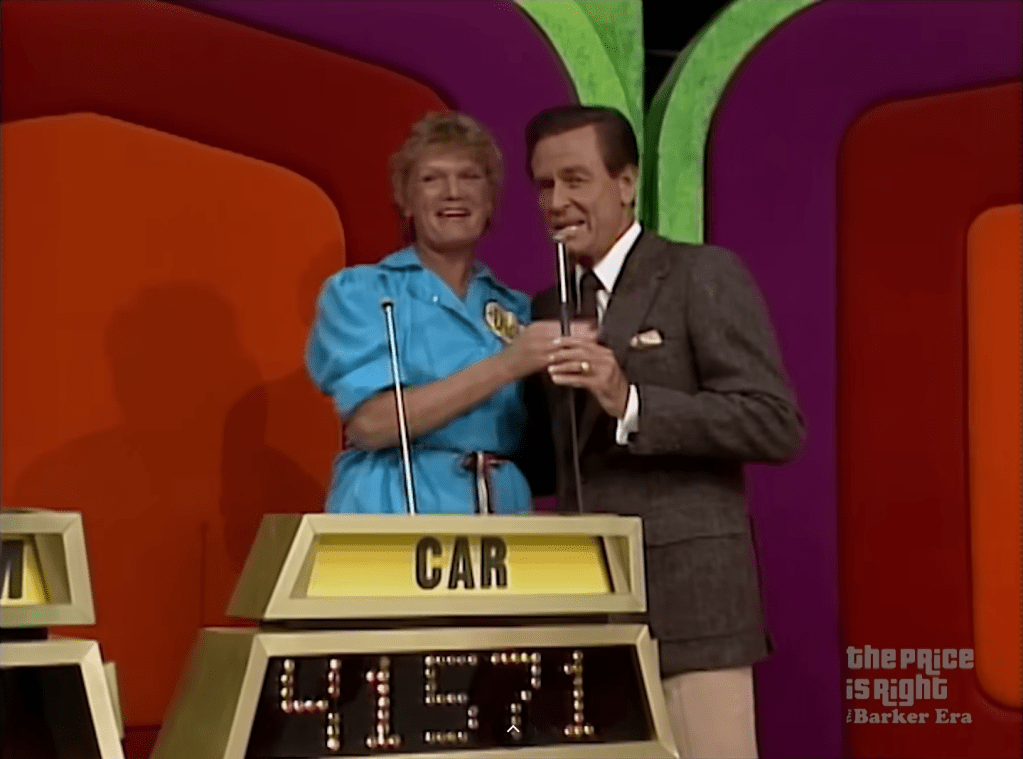

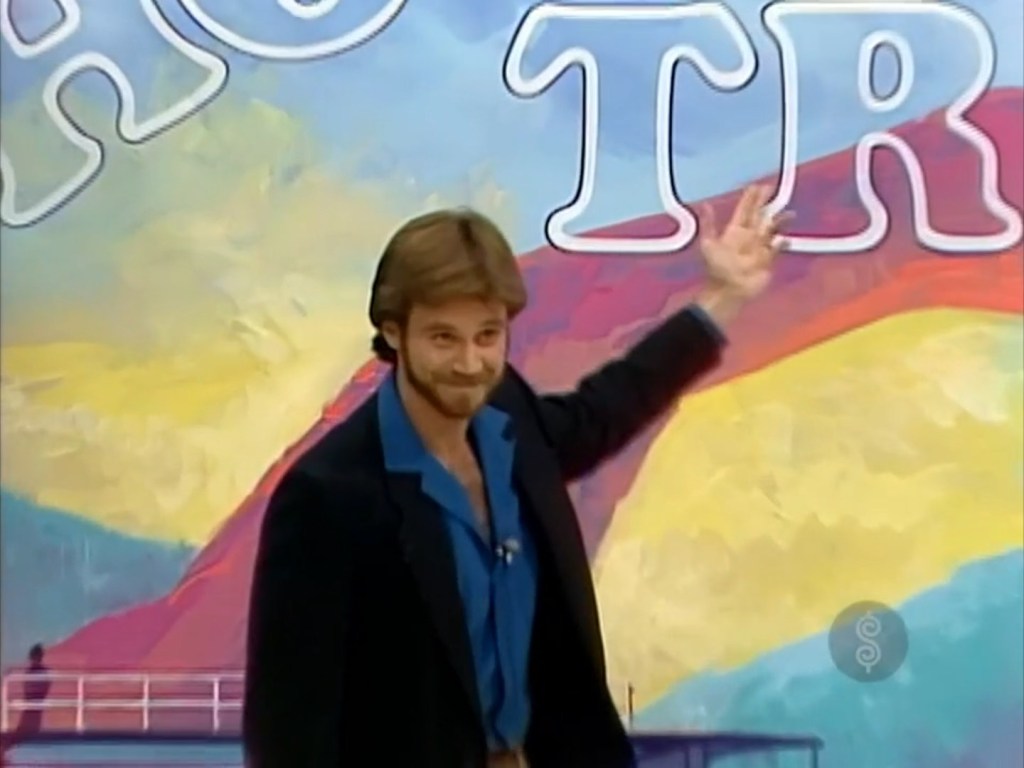
A special “Soap Opera Week” featured showcases presented from other CBS soaps, like Gregg Marx from “As The World Turns”… 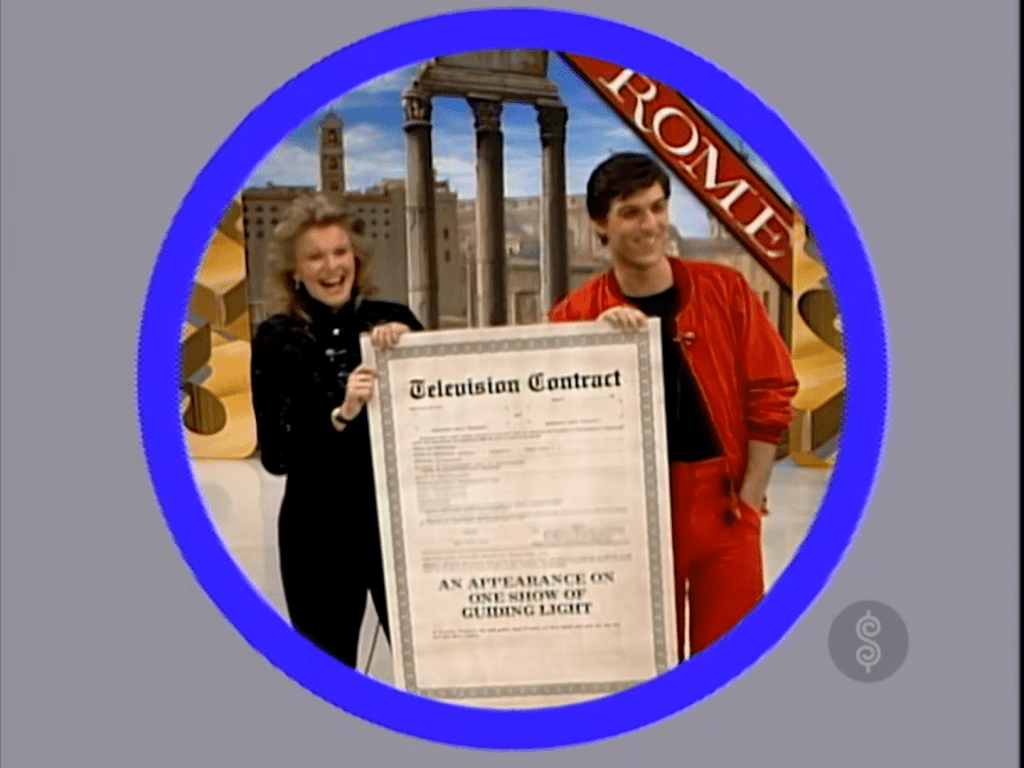
…and the stars of “Guiding Light” offered an appearance on their show as a Showcase bonus. 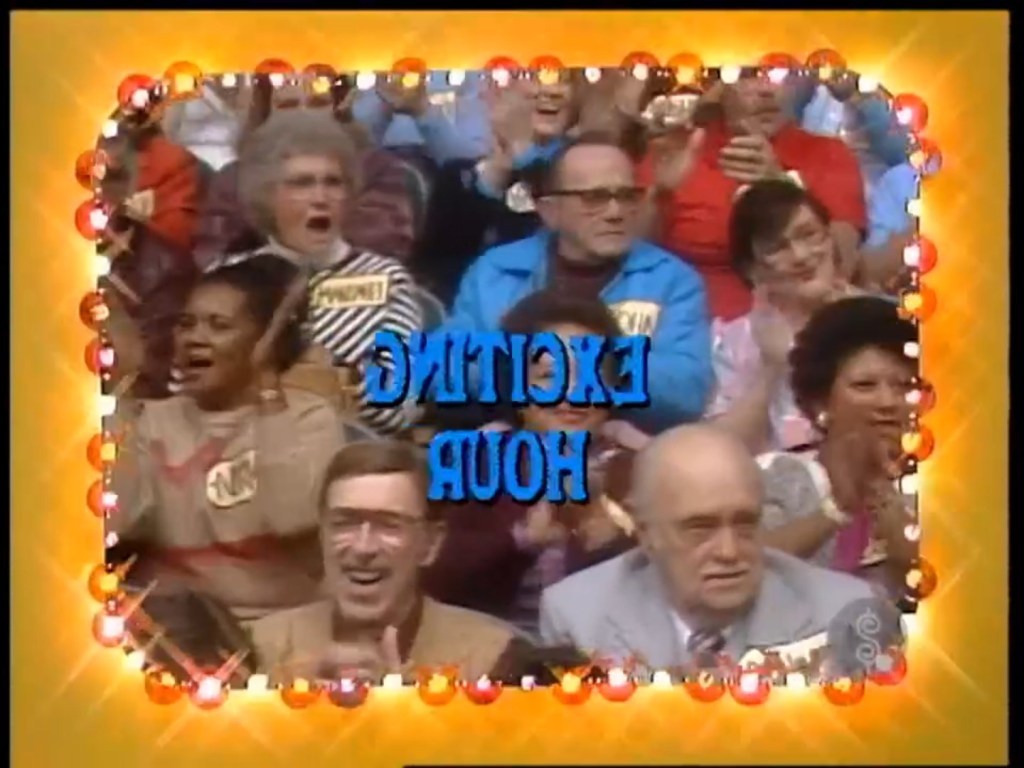
An graphical update to the opening allowed the titles to spin into view, opening the show with a bang. 
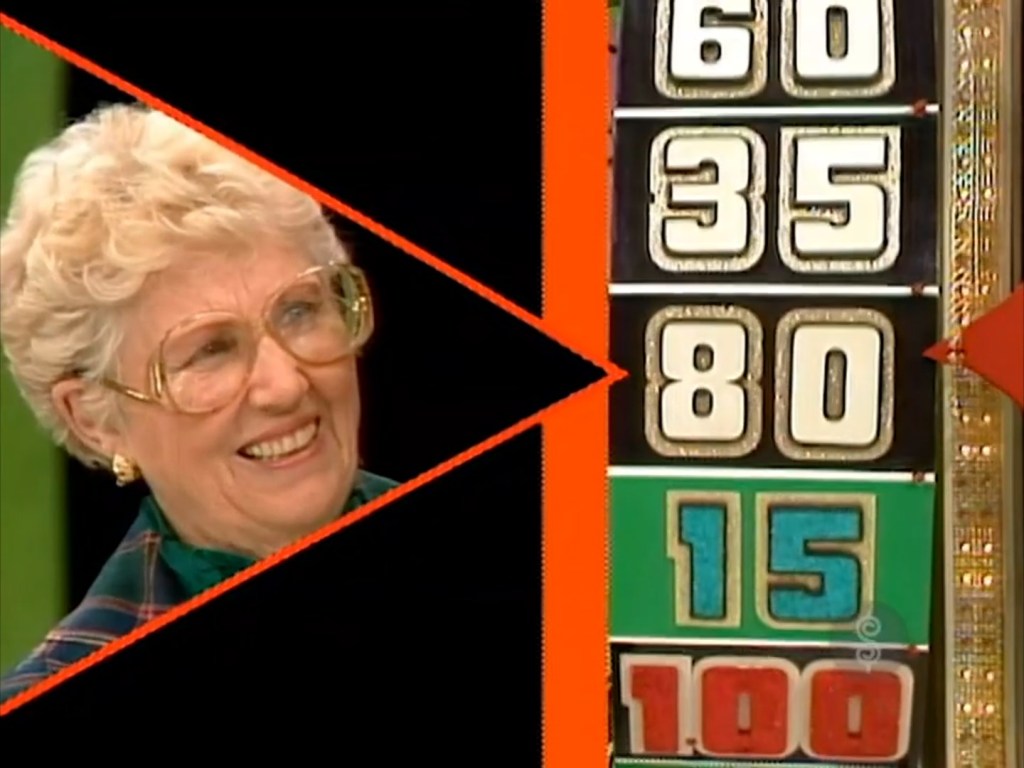
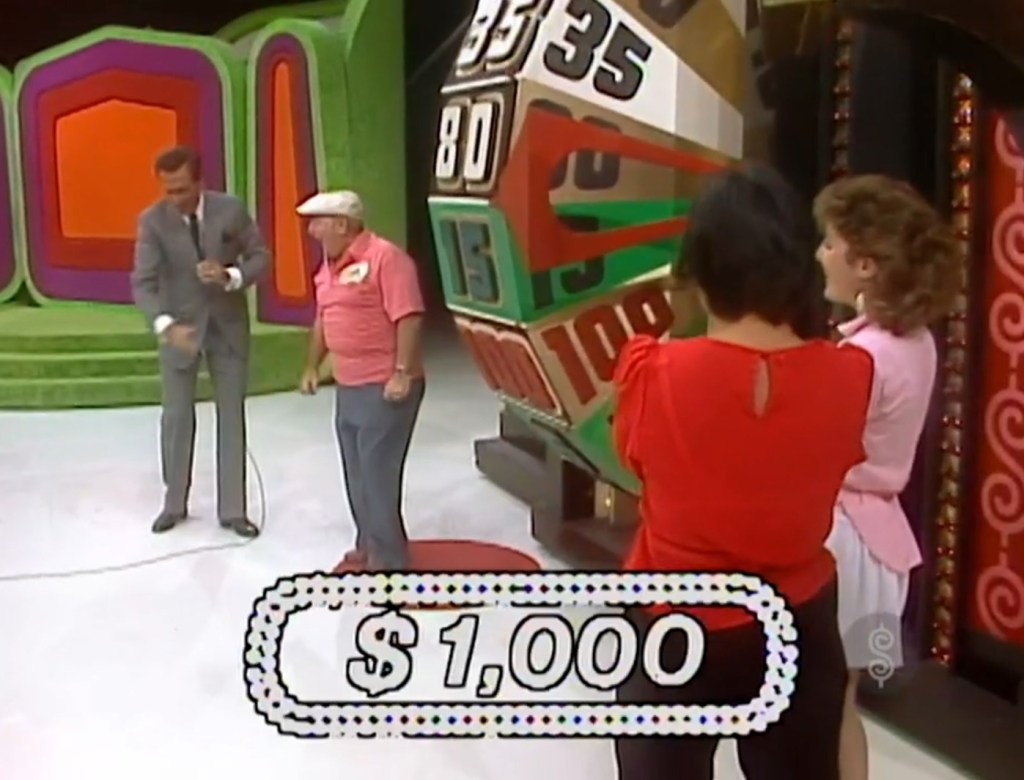
The Big Wheel got a new display as well. 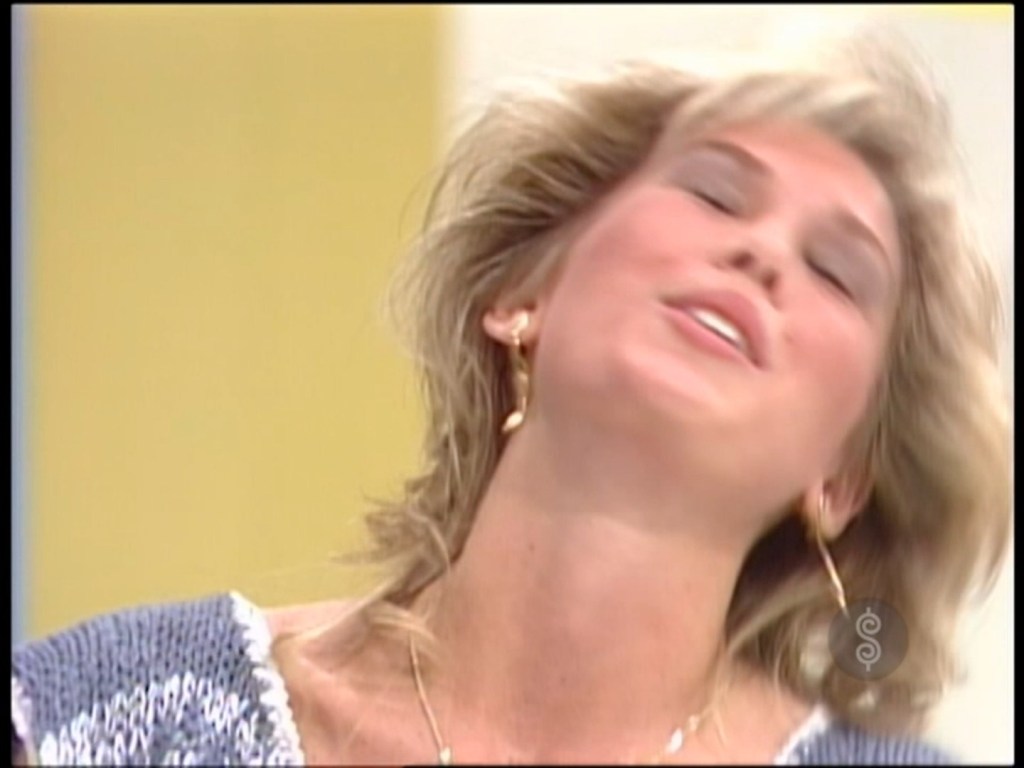
Sometimes the booth would bump out to break with a “freeze frame” of a contestant’s reaction. The production crew really wanted that Emmy for Best Technical Direction! 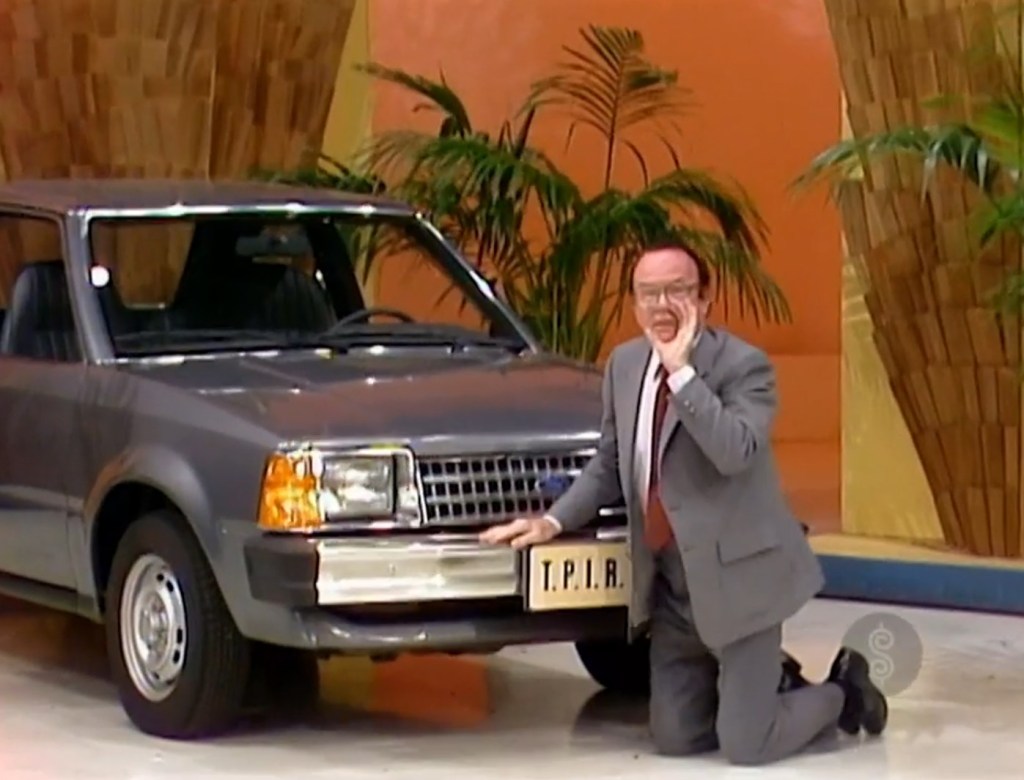
“What kind of car was it, Johnny?” Johnny looks under the carriage to confirm “IT’S A FORD ESCORT L!” 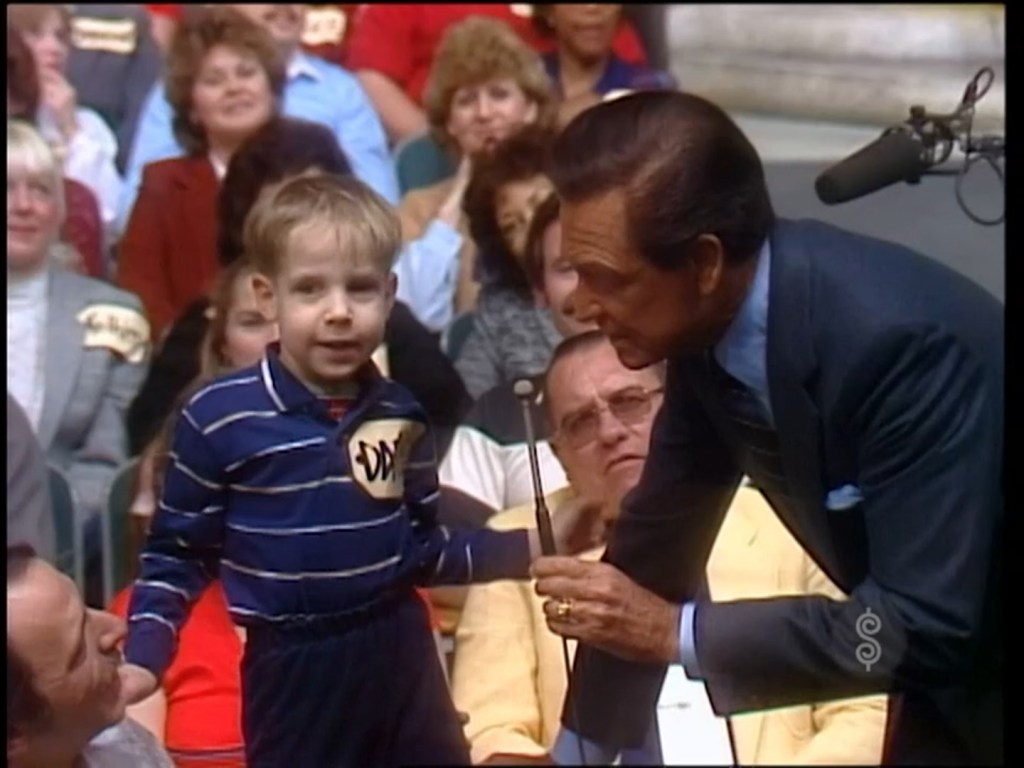
David, a 5-year-old “special friend” visiting from Massachusetts, tells Bob his favorite game is “the golf game”. Bob agrees…at least when he makes his inspiration putt. 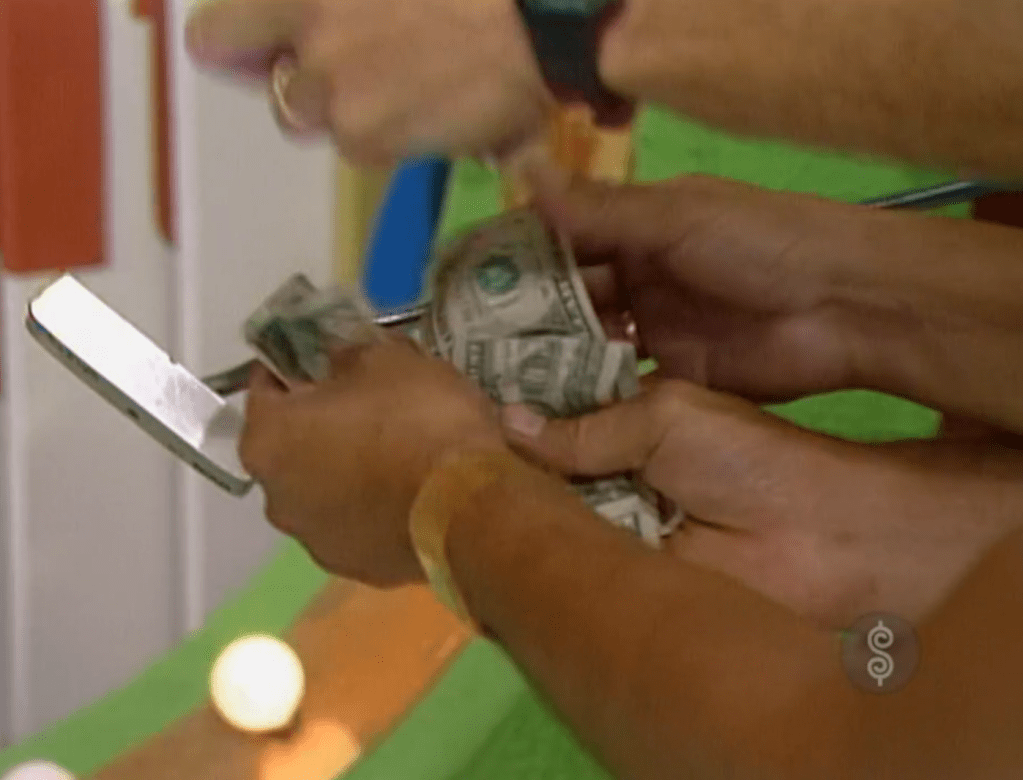
A long-running Hole in One gag was that the crew members backstage all had money riding on whether Bob made his putt or not. 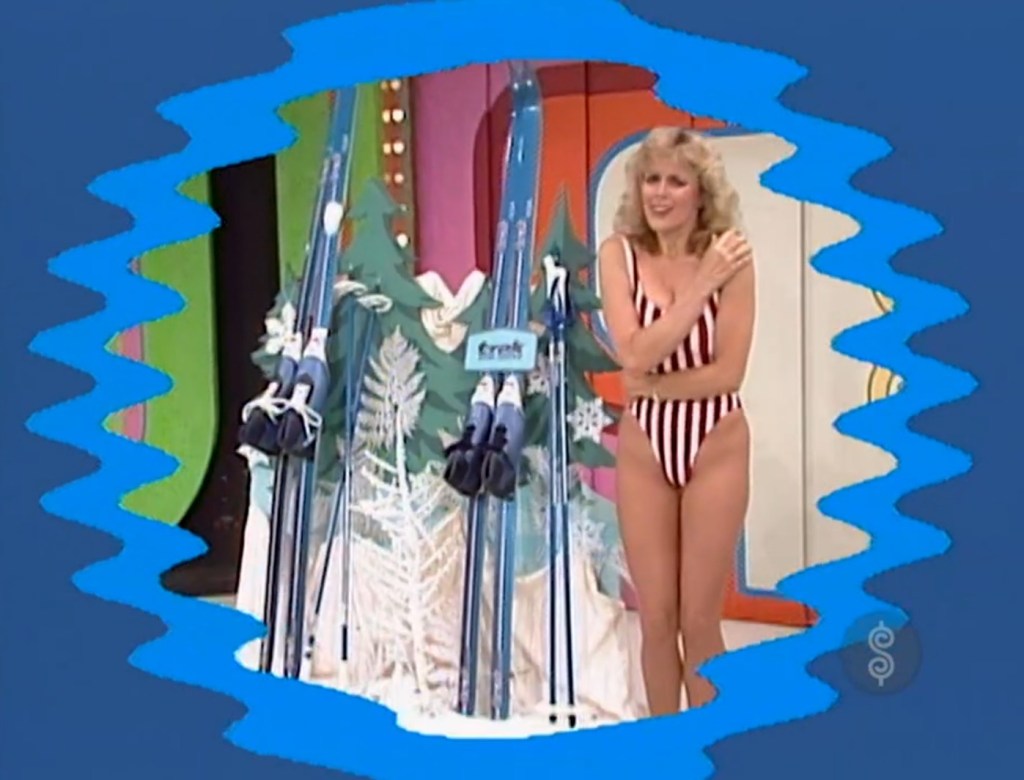
Why is Dian modeling skis in a swimsuit? Nobody knows! 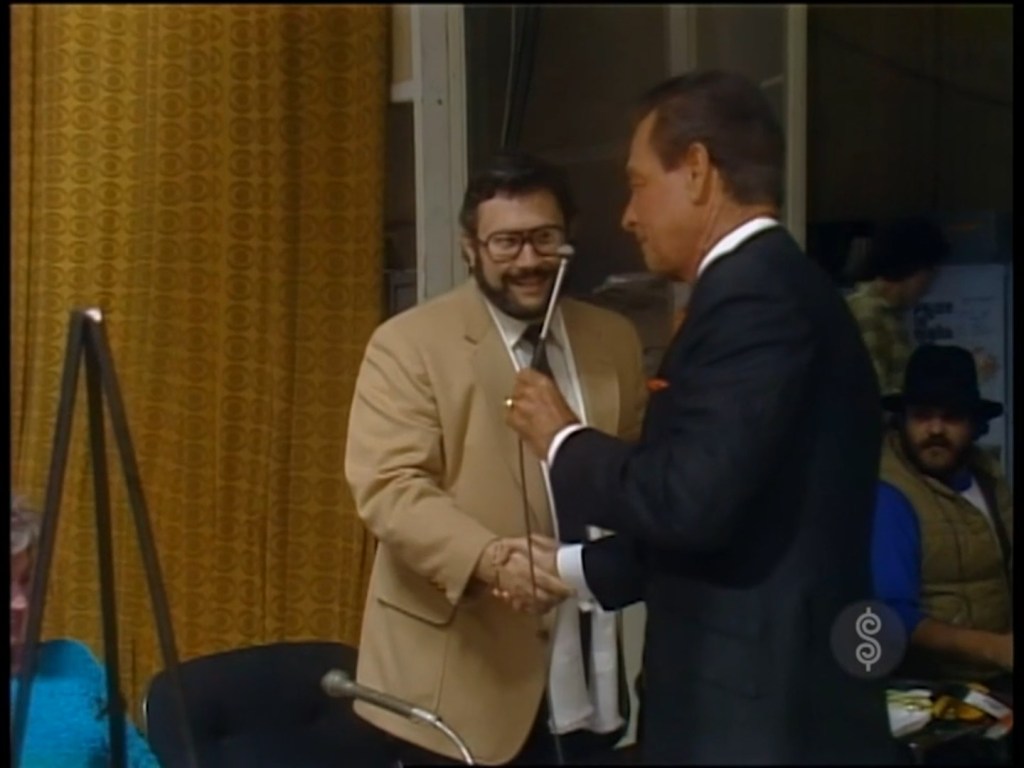
Bob visits the producer’s table to celebrate Phil Wayne on his 40th birthday. 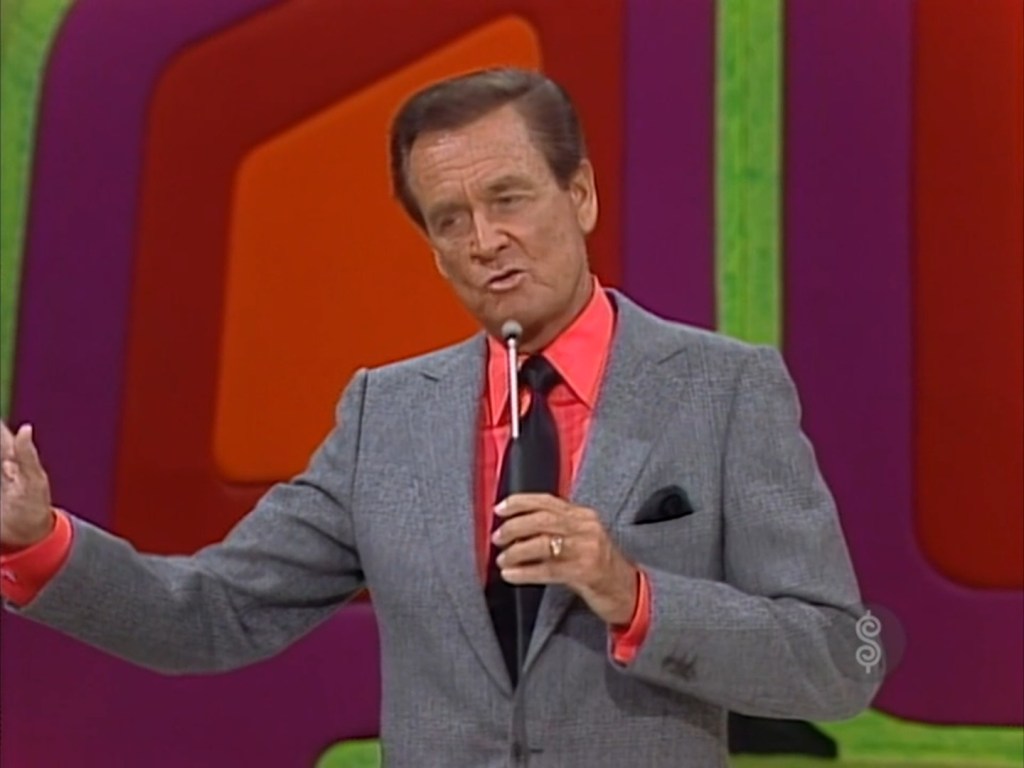
Bob’s shirt wasn’t terribly popular with the audience… 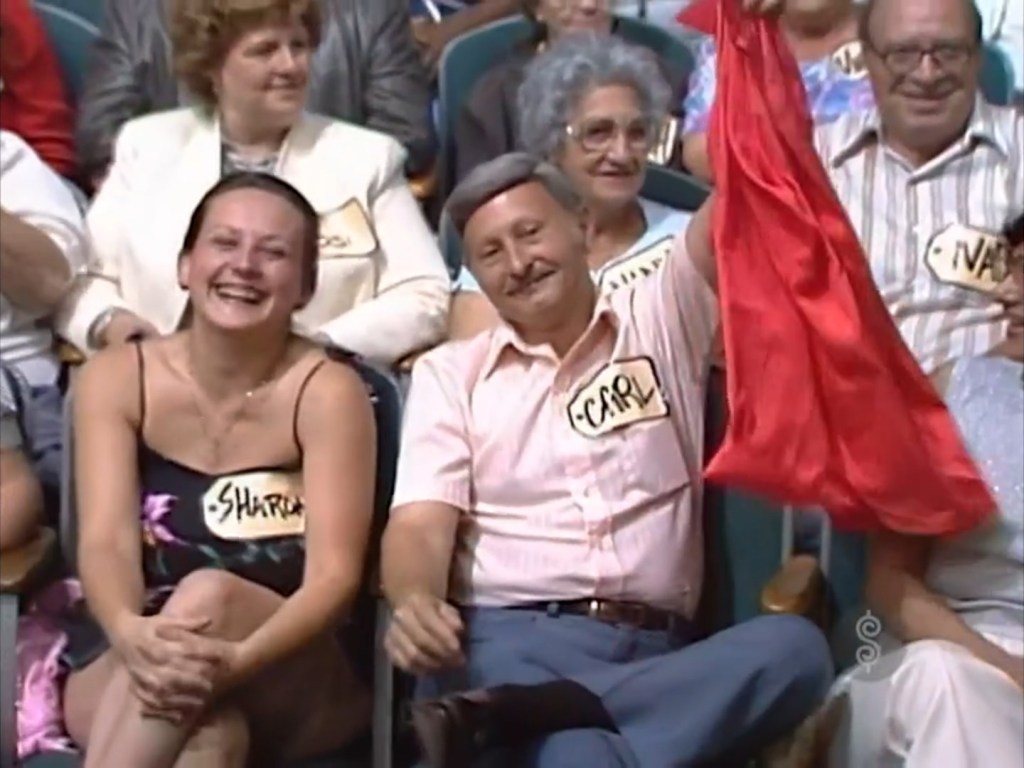
…but Carl, in the front row, disagreed. He said that he would have loved to have a shirt like that, so Bob gave it to him! 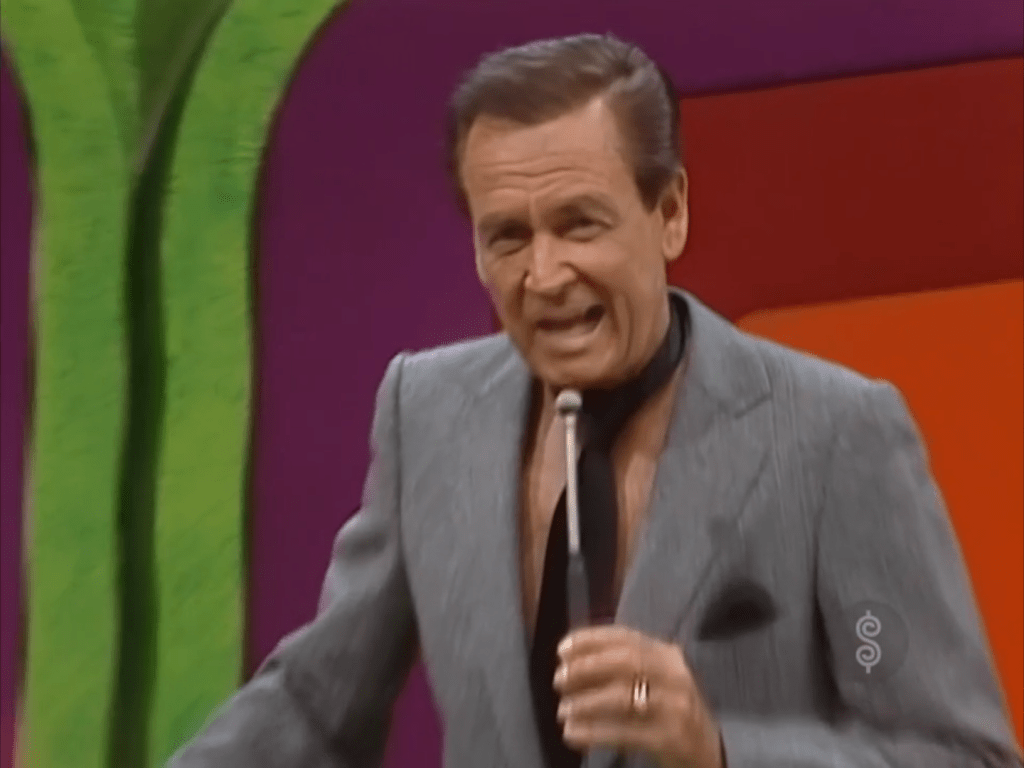
Bob hosted the showcases without it. 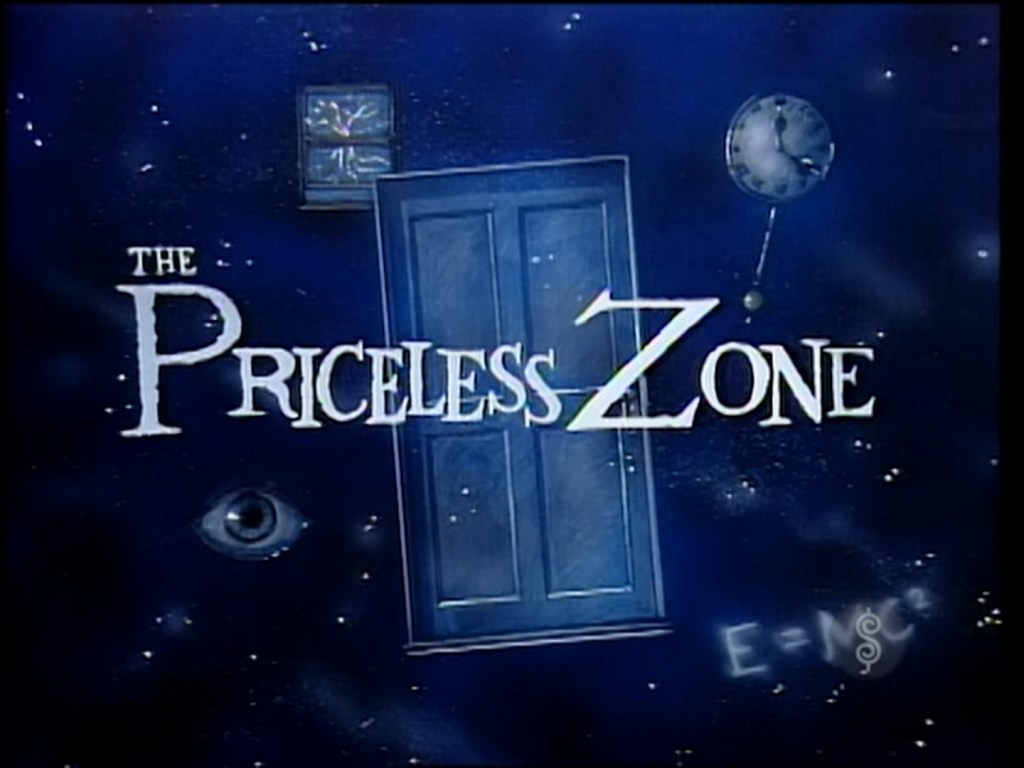
Showcases now could include elaborate sets and art cards for one-time use. 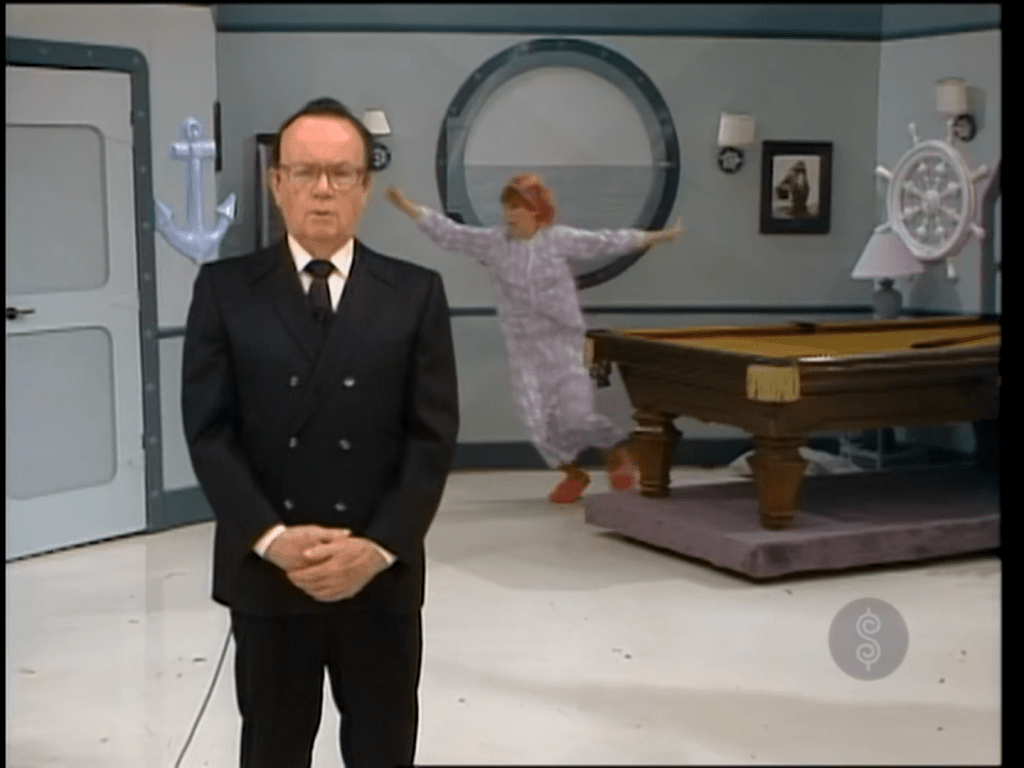
Johnny plays Rod Serling as Holly loses her mind behind him in a custom-built ship cabin. 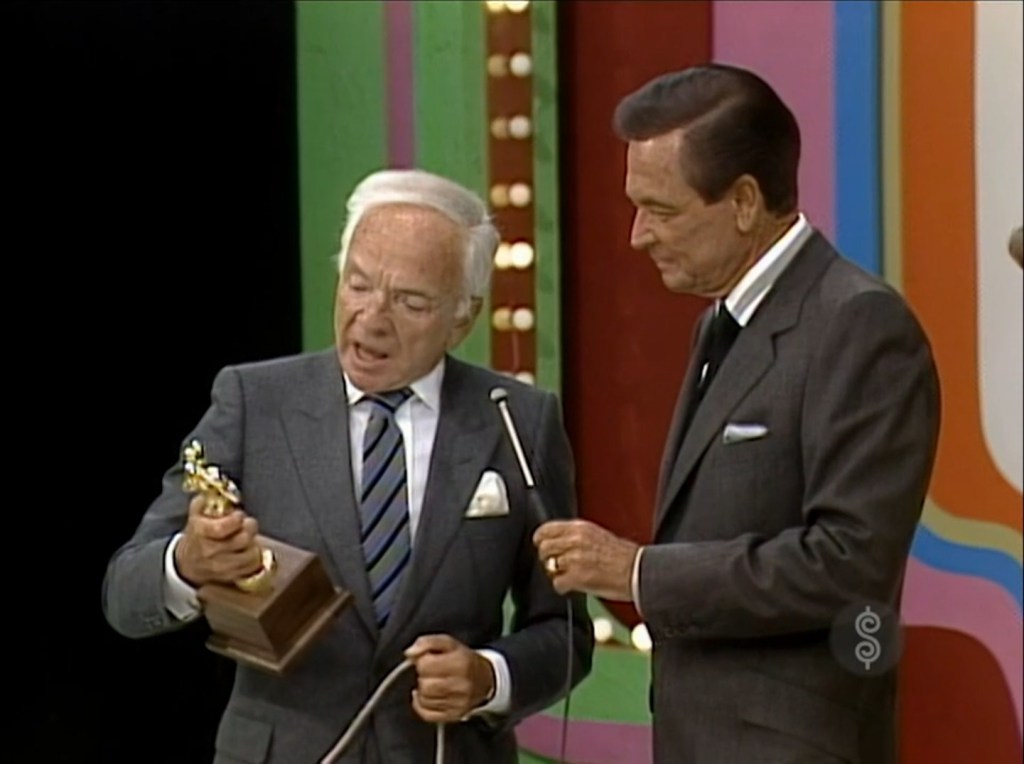
To celebrate 12 years of The Price is Right, Mark Goodson stopped by to present Bob with a trophy to “12 more years”… 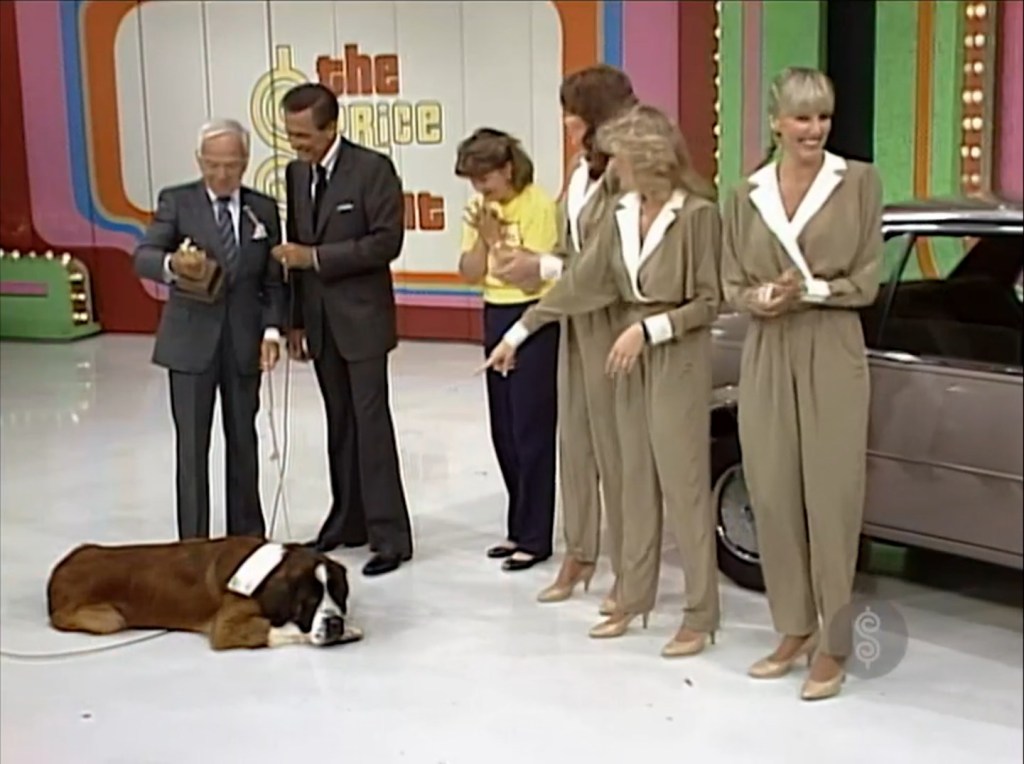
…and a check for a $5,000 donation to the Fund for Animals, attached to the collar of a St. Bernard from the ASPCA, with a plea from Bob for viewers to consider adopting from local shelters. 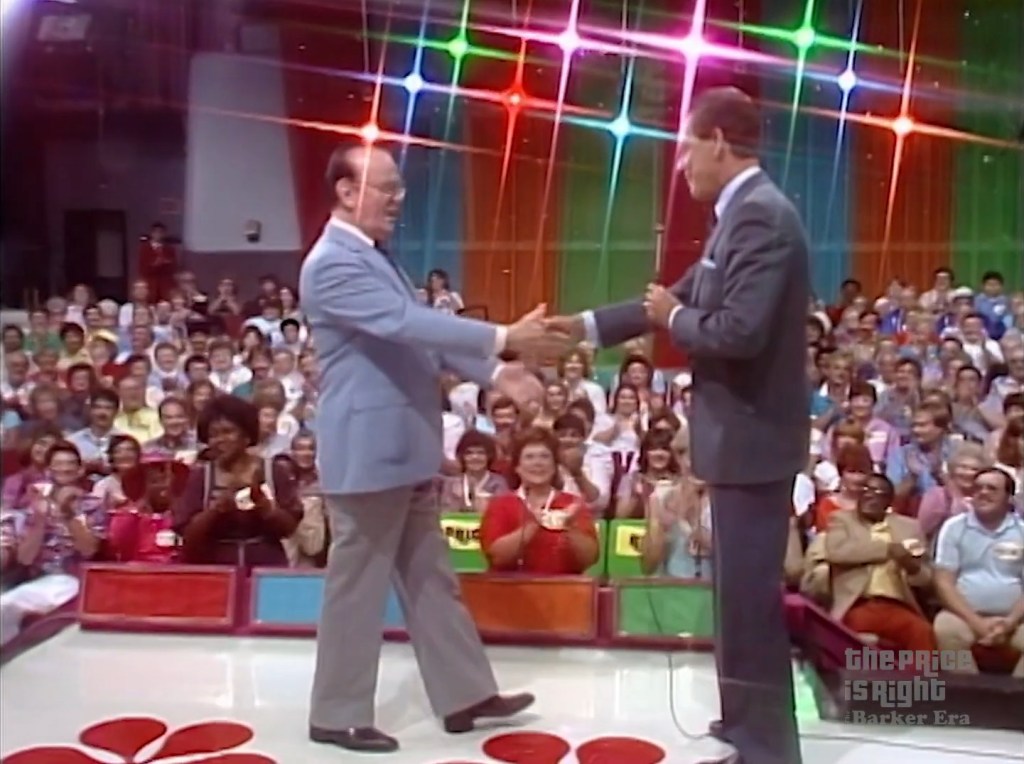
Bob celebrates Johnny’s 75th birthday. Unbeknownst to them, it would be Johnny’s final birthday celebration.
At this point, daytime The Price is Right had proven to be a juggernaut with no signs of slowing down. It had both the biggest budget and had the longest uninterrupted production of any game show on the air. It had retained its on-air talent through its growth, outlasted Feud, and was reliably winning the head-to-head against daytime Wheel’s new surge.
And once again, its parent company had thoughts of expansion.
Outside of daytime, the syndicated landscape had changed dramatically since 1980. The new nighttime syndicated Wheel of Fortune had exceeded every possible expectation, becoming the #1 syndicated program and nearly doubling the ratings of second place.6 Alex Trebek’s new version of Jeopardy! was also becoming a rising star, proving there was an appetite for high-quality, big money game shows outside of daytime.
With 13 seasons of success under its belts, Mark Goodson Productions decided the time was ripe to take another crack at breaking its strongest brand into the lucrative syndication market… and truly test the limits of TPIR’s success.
- Go back to the Late 70’s and see how Hour Power got started
- See how the #1 game show held onto its throne despite a sea change through the Late 80’s
- Return to the Tiny Timeline
- https://vimeo.com/1014440478, timecode 1:05:22 ↩︎
- https://daytimetvarchive.com/grids/1980.html ↩︎
- Daytime runs: Concentration (15 seasons), Hollywood Squares (14 seasons), Let’s Make a Deal (13 seasons), Jeopardy! (11 seasons); Nighttime runs: What’s My Line? (17 seasons), I’ve Got a Secret (15 seasons), To Tell the Truth (12 seasons), You Bet Your Life (11 seasons), Hollywood Squares (10 seasons) ↩︎
- https://people.com/tv/who-was-dorothy-jo-gideon-bob-barker-wife/ ↩︎
- https://people.com/who-is-nancy-burnet-bob-barker-7560595 ↩︎
- https://www.latimes.com/archives/la-xpm-1985-07-26-ca-5243-story.html ↩︎
 Golden-Gallery.net