Late 70’s: Hour Power
Almost all photos in this section are clickable, letting you see the original video and other sources!
Television’s Most Exciting Hour
CBS was impressed with TPIR’s ratings. But what’s more… CBS execs were impressed with the variety that could be offered within a half-hour. They were so impressed, they wondered if it were possible to double it.

In January 1975, Lin Bolen at NBC had successfully expanded one of their soap operas from 30 minutes to an hour, and CBS was wondering if it were possible to do the same for one of their hit game shows.
An hour-long game show had never been tried before in daytime. The industry believed that a solid game show should leave the viewer wanting more by the end of each episode, and wisdom of the day was one hour of one game being played every day, five days a week, was simply too much of the same thing.
But the formula cooked up for The Price is Right was different. TPIR could literally reinvent itself every day. Each half-hour wasn’t just one game, it was three. A second half-hour could be completely different than the first, preventing viewers from getting burned out and changing the channel.
Though TPIR wasn’t CBS’ most profitable or highest rated game show at the time, it was still quite successful and far more suited to expansion than Tattletales or Match Game.
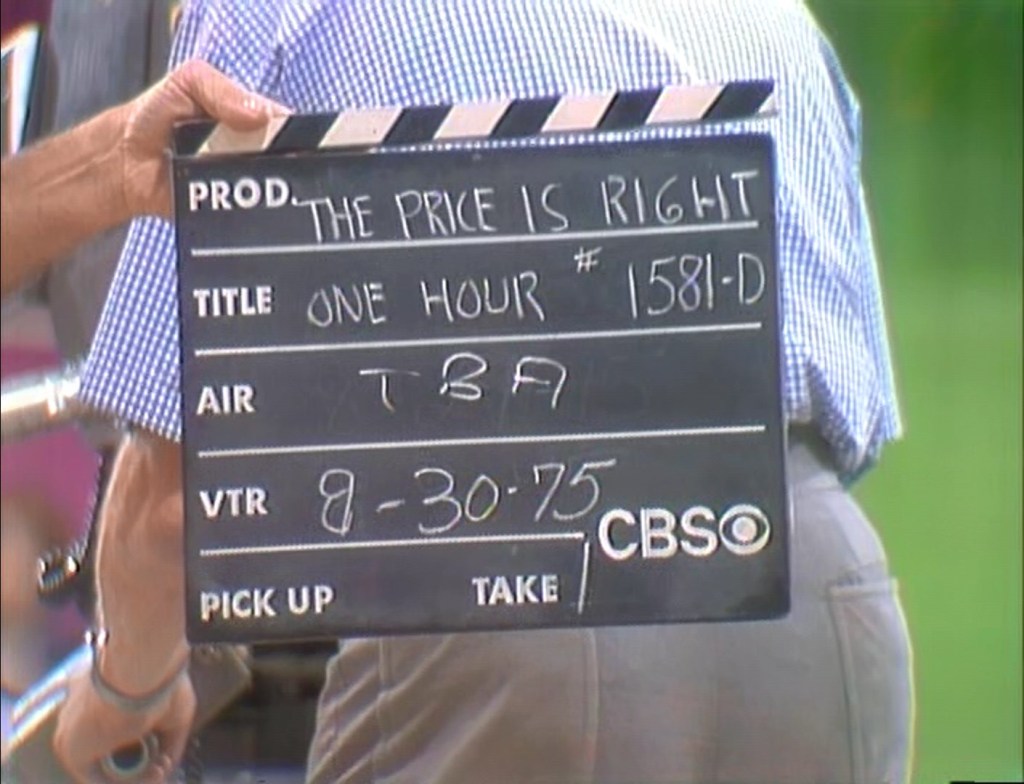

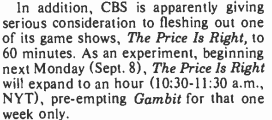
The fourth season of the daytime Price is Right on CBS began with a usual week of half-hour episodes. But the second week had a trial “Anniversary Week” of special hour-long shows to determine if expanding to an hour was feasible. The rest of September and October would continue airing half-hour shows while determining whether the experiment was a success.
By late October, Bob made the announcement on the air. CBS was pleased, the ratings were a hit, and the expansion would be made permanent. The Price is Right would become the first network daytime TV game show to run for 60 minutes. Johnny Olson would begin each show with a declaration that this was “the FABULOUS, SIXTY-MINUTE PRICE IS RIGHT!”
Double the Airtime, Double the Games
The first challenge that needed to be solved was introducing more pricing games. The half-hour show had worked with a small library of 12-15 permanent games, most of which were simple “tests of knowledge” without much of a theme. This would quickly need to change.
Under the new format, six pricing games were played each episode instead of three. Each half of three games would include one game played for a car and one fee game.

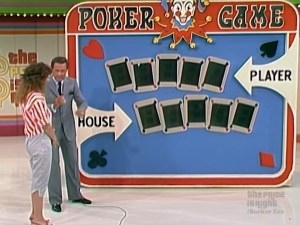

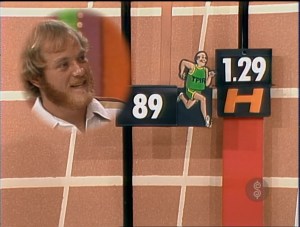

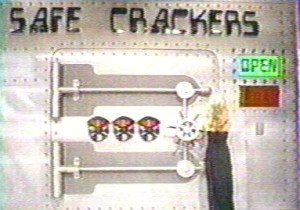
Not only was there a need for twice as many games, TPIR also needed new types of games. 11 new pricing games were added from July 1975 to July 1976, most of which were highly themed and more varied in tone than most of the “pure tests of knowledge” offered in the show’s earliest seasons. The new games were themed around everything from poker, baseball, dice, and even mountain climbing!
Watching the Wheels
Even with the added variety, six pricing games uninterrupted could be a lot to take. A new qualifying round for the showcase would be needed, both to break the pace of the show up and to avoid always sending the “top two winners” to the final round, since it was hardly fair to the four contestants who wouldn’t play for cars.
What’s more, NBC’s new show Wheel of Fortune was not only succeeding, it was now directly facing off against Price’s timeslot. How could a show like Price compete against the spectacle of an enormous 2000lb spinning wheel?
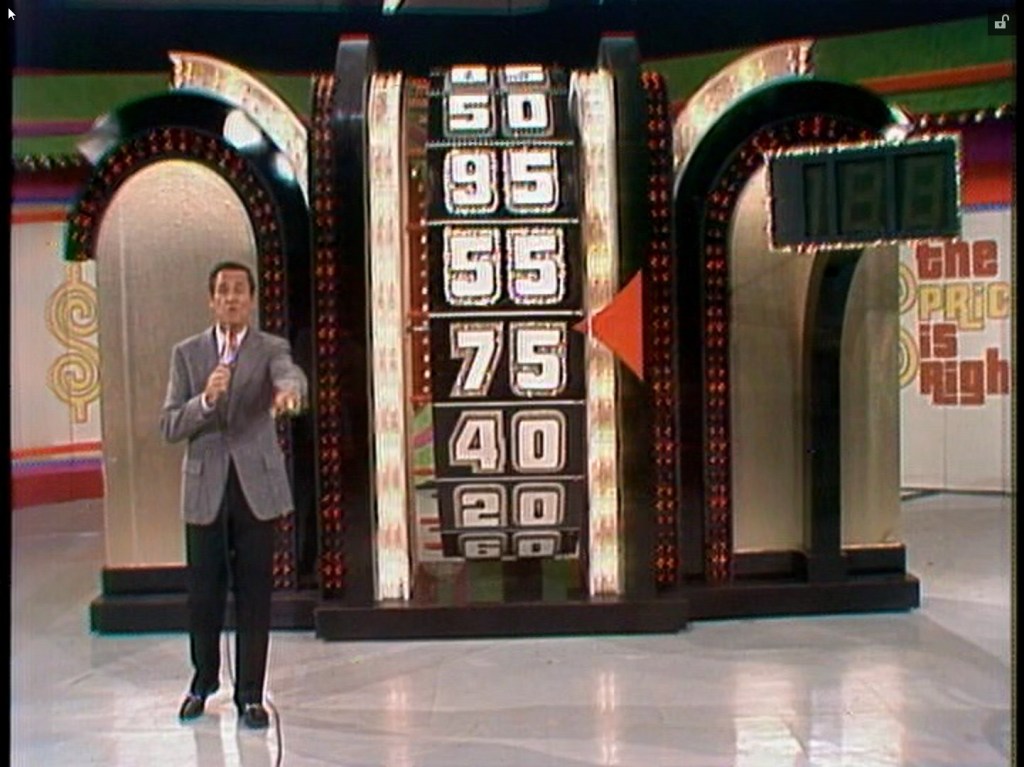
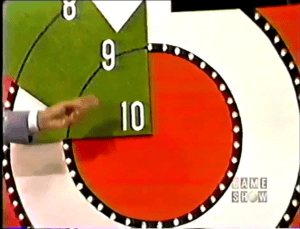
The solution? Add an enormous 2000lb spinning wheel!
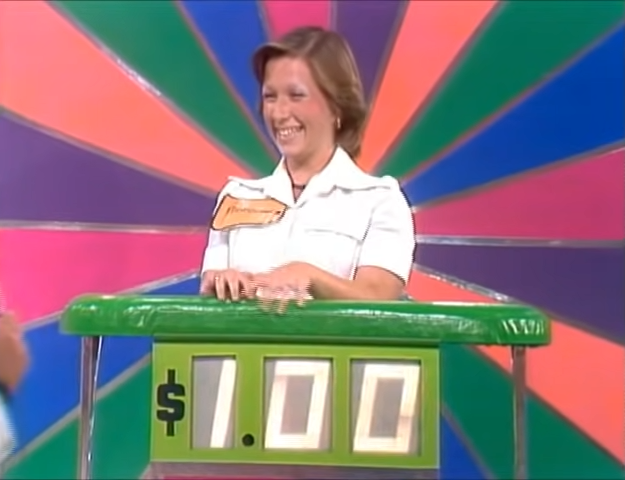
The new “Showcase Showdown” round saw three contestants from each half spinning “The Big Wheel” to get as close as they could to $1.00 without going over. To sweeten the pot, a contestant getting a dollar exactly would win a $1,000 bonus.
In reaction to TPIR’s expansion, Wheel of Fortune and Hollywood Squares would attempt their own trial runs at hourlong episodes, only to quickly return to their tried-and-true half hour formats.
Season 4 – Sep 1975 to July 1976
| Final Vietnam soldiers return home… | Chevy Vega Hatchback Coupe: $4,198 |
| America celebrates its bicentennial… | 9″ Portable Hitachi TV: $350 |
| “Saturday Night Live” premieres on NBC… | Enoz Moth Ice Crystals: 79¢ |
Season 4 hit the ground running with several CBS guest stars swinging by to plug the “ANNIVERSARY WEEK” expansion. The first week began with traditional half-hour episodes, but the season’s second week saw hourlong “Anniversary Week” episodes aired testing out the new format.

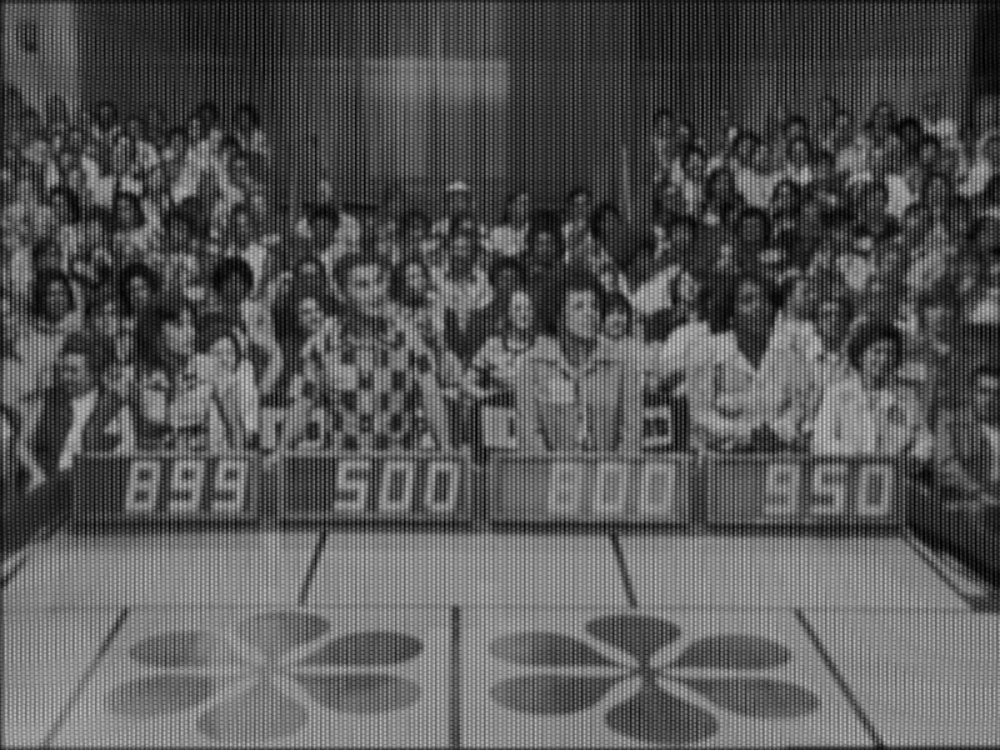
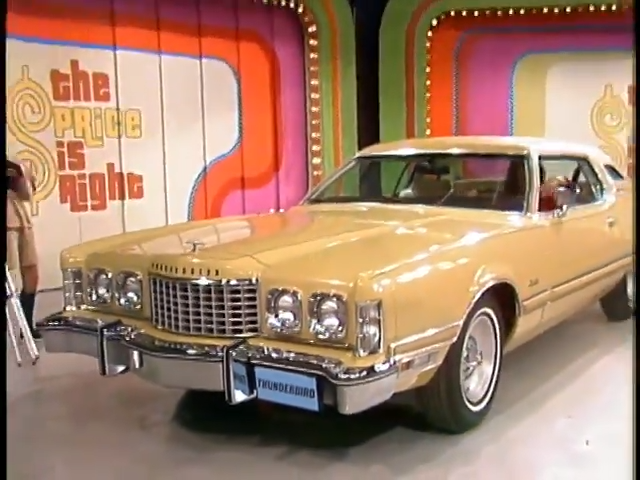
Color TVs had finally been adopted over black & white ones in the majority of United States households. TPIR’s original brown set (designed to adapt well on black-and-white sets) was looking a little drab in comparison to TPIR’s contemporaries. A new set with a bright, groovy color palate was commissioned to take advantage of the fact that most viewers were watching in color.
The Price is Right didn’t just look new… it also sounded new. A new music package was also commissioned, and many iconic, brassy music cues debuted this season, including new car cues and new theme for “Come on Downs” at the start of the show.
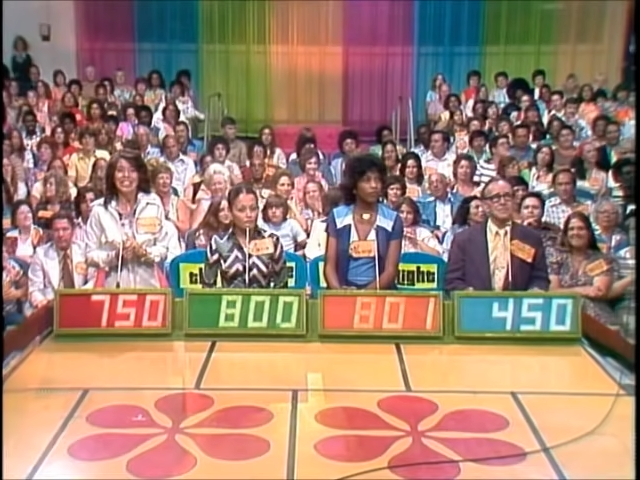
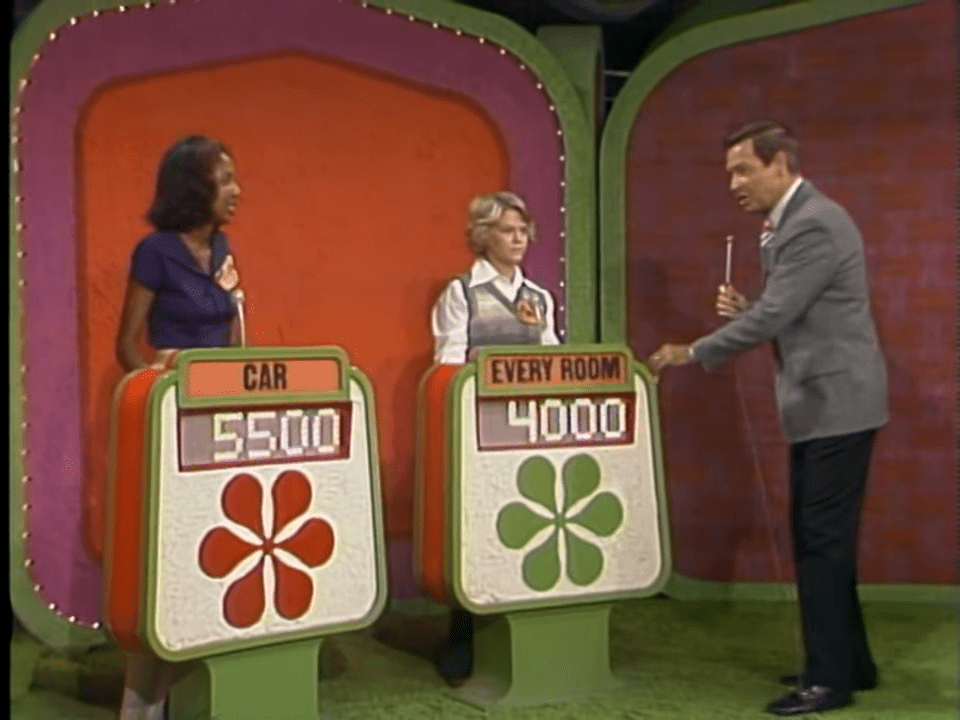
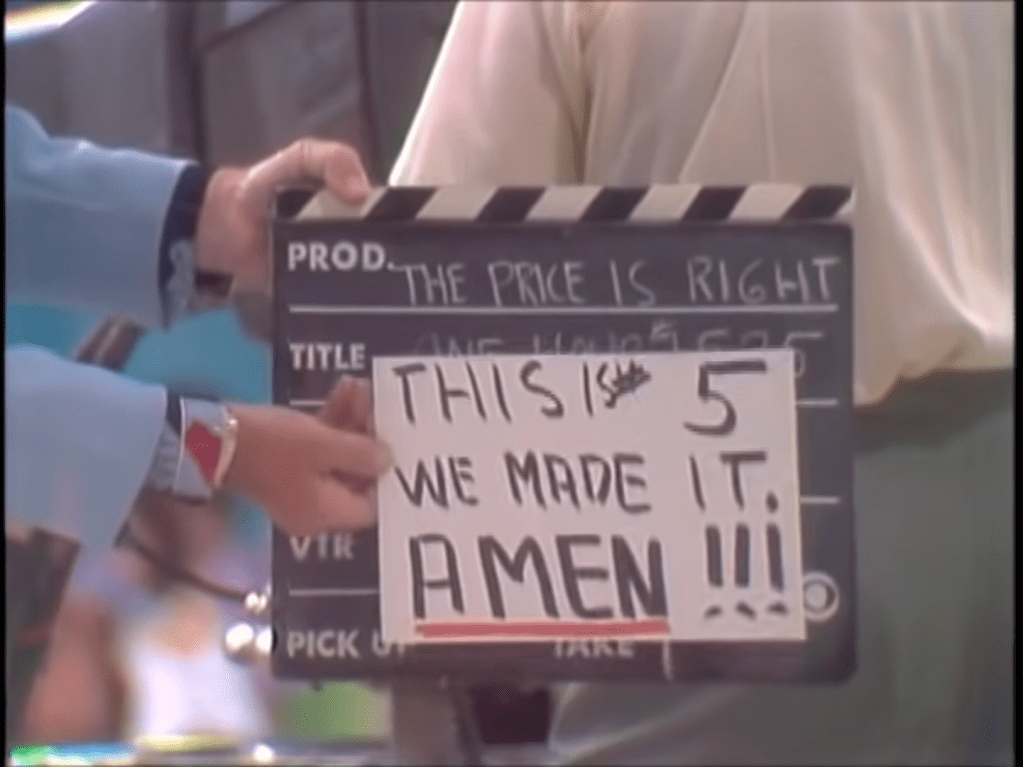
For the next seven weeks, TPIR returned to its traditional half-hour format while CBS evaluated the results. The experiment was deemed a success, CBS greenlit the expansion, and on November 3, 1975, the hourlong expansion became permanent.
A third permanent model, Dian Parkinson, was also hired to assist Janice and Anitra with modeling duties.
With the expansion, a wide variety of pricing games were introduced. This wave included some of the show’s most iconic games like Cliff Hangers, Dice Game, and Three Strikes. A whopping nine pricing games were introduced, more by far than in any other season save the debut!

The “Big Wheel” became one of the TPIR’s most recognizable setpieces. Contestants would not only “showdown” against each other competing for a spot in the showcases, but they could also win $1,000 in cash!


Taping 60 minute shows was not as easy as taping 30 minute shows. With half-hour episodes, the crew could shoot four in a single tape day; after the expansion, only two hourlong episodes could typically be taped per day.
Since studio availability (and crew exhaustion) prevented doubling the number of tape dates, TPIR became one of the first game shows to purposefully schedule reruns. Each season would stop airing new episodes in the summer and switch to reruns for July and August, with new episodes resuming when the new season hit the airwaves in the fall.
New games:
Games retired: None
Broadcast History
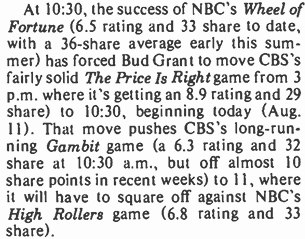
The hourlong TPIR faced off at 10:00 AM EST against local programming on ABC, and Celebrity Sweepstakes at 10:00 and the new hit Wheel of Fortune at 10:30 on NBC.

In mid-January, Wheel of Fortune was bumped back to 11:00 to avoid direct conflict with TPIR. In its place, NBC put High Rollers; by summer, TPIR had driven High Rollers off the air.
(Thanks to the Daytime TV Archive for the great work!)

Contestant Hall of Fame

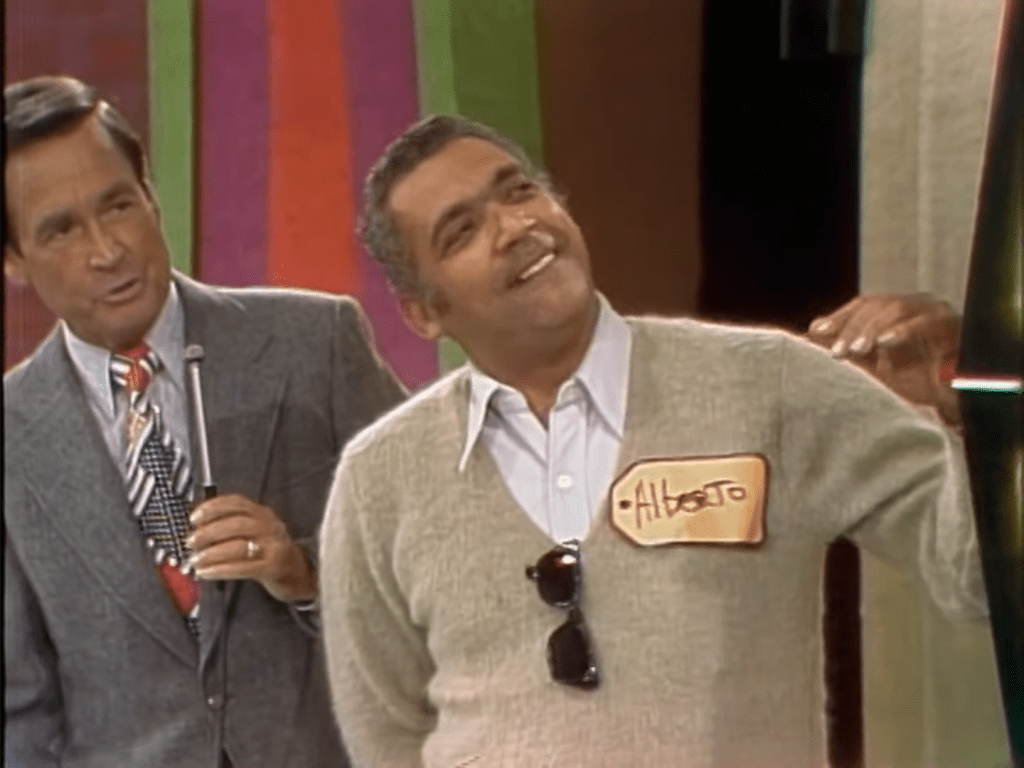

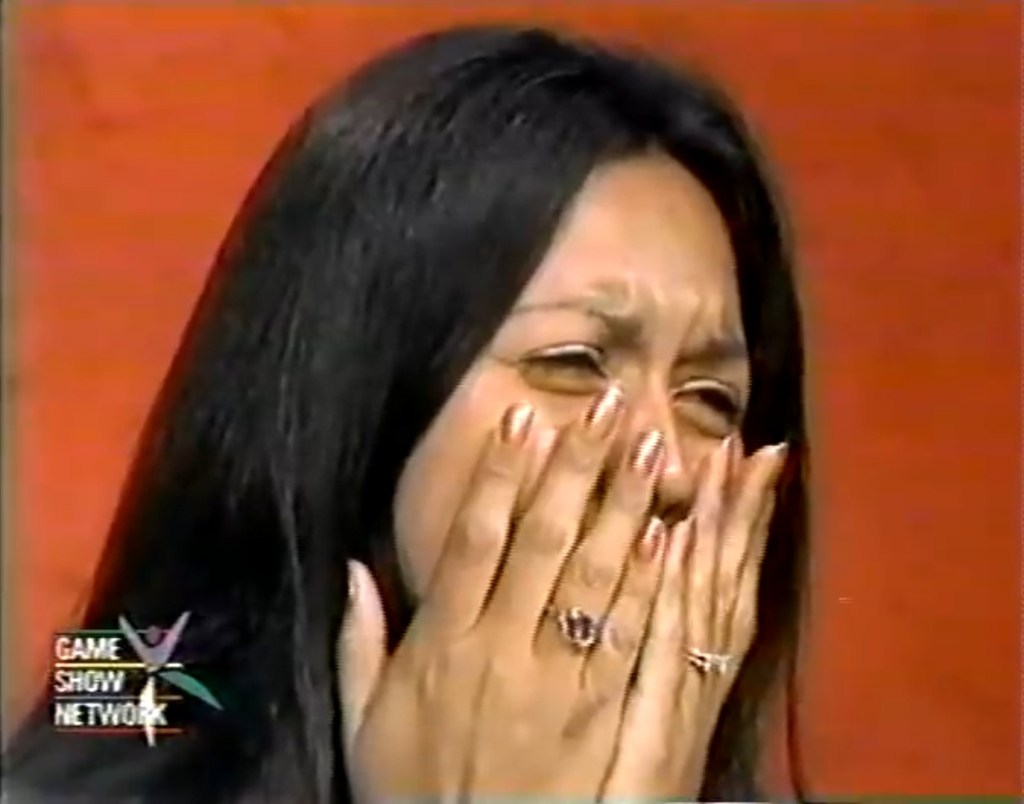
Memorable Moments

The Big Wheel originally had no green sections, and no “bonus spin” rule. 
The opening lightbox and title lets viewers know they’re in for something never before attempted in network daytime history! 
Miranda and William became the first two known contestants to tie at $1.00. Both won $1,000 and a “spin-off” determined who went to the Showcase. 
Dian Parkinson joined the cast as the third permanent model. 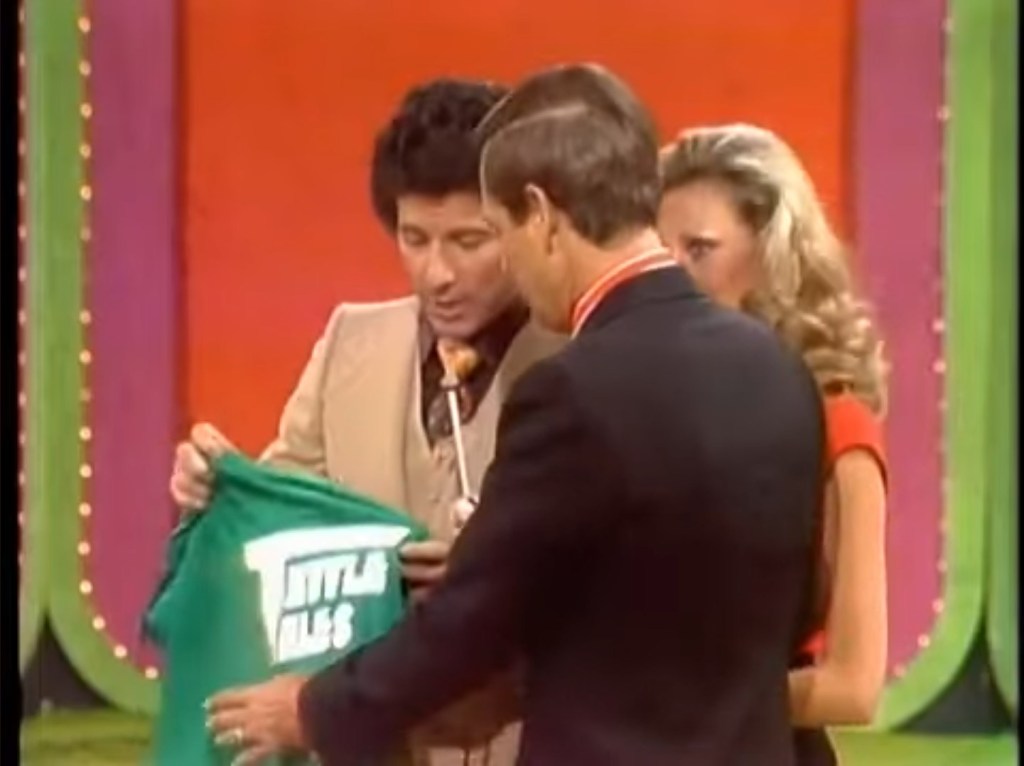
To help CBS cross-promote the upcoming expansion to an hour, “Tattletales” host Bert Convy stops by to give Bob a T-Shirt. 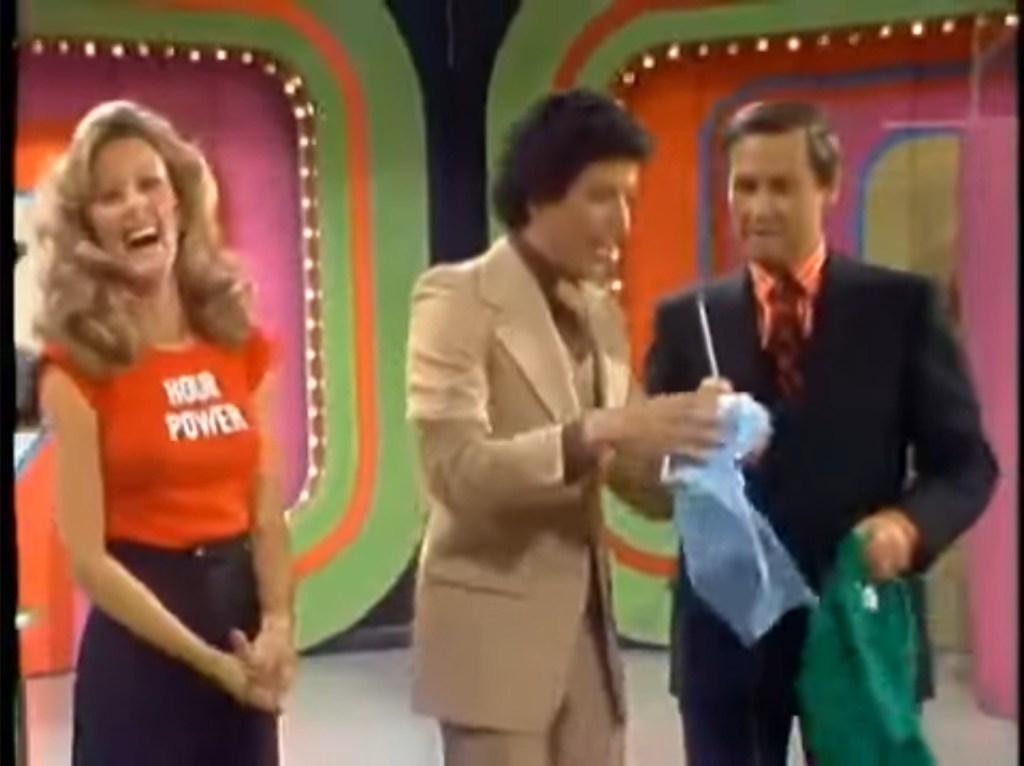
Bert then asks if he can have an “Hour Power” T-shirt. Specifically, JANICE’S. 
“How can your hearts take an hour of this?” asks Bert. “If you ever get worn out, come on over to us!” 
When Amana freezers attack! 
That Amana–and other prizes that had given Janice trouble–showed up again in a special “Janice Pennington, This Is Your Strife!” showcase, spoofing a popular show from the 50’s. 
TPIR celebrated their 1,000th episode with a showcase containing 1,000 yards of carpeting… 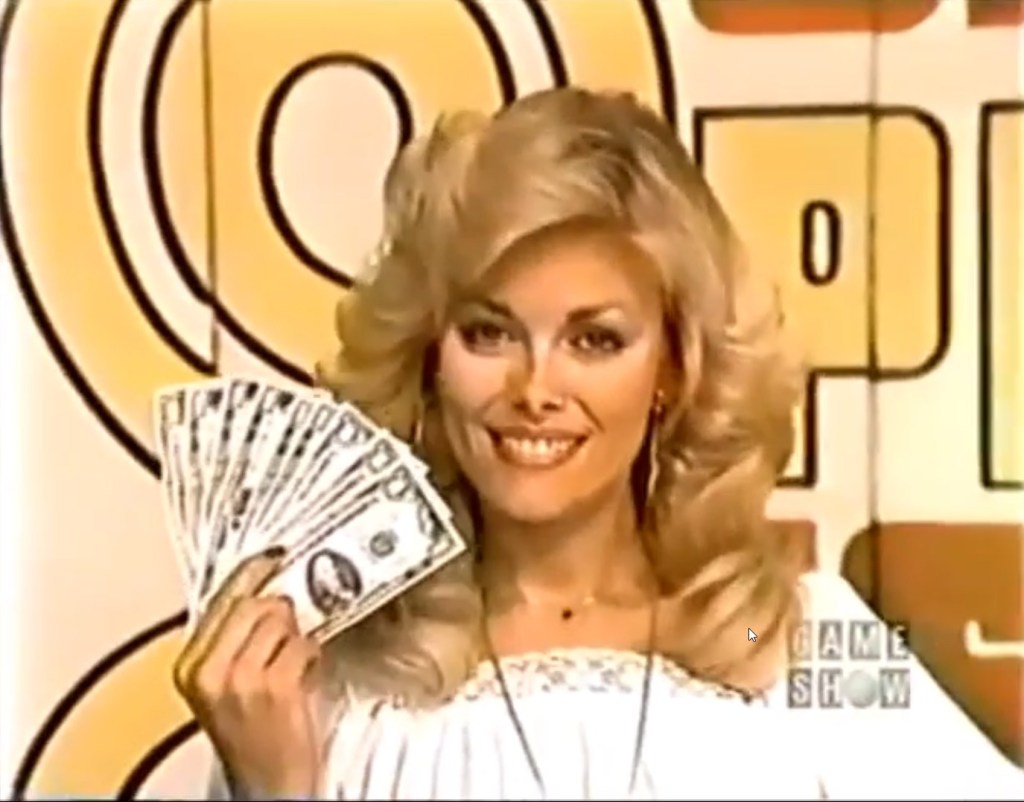
…$1,000 in cash… 
and approximately 1,000 hours of pleasure on a 52-day cruise around South America!
Season 5 – Aug 1976 to July 1977
| “Star Wars” becomes a surprise smash hit… | 1976 Buick Skylark: $4,206 |
| Apple II computer launches… | Sega-Vision TV Projector and 44″ screen: $995 |
| Punk and Disco ignite revolutions in music… | Fedder’s Air Conditioner: $250 |
Season 5 pursued the same course that had been established in Season 4. TPIR had proven competitive in its ratings slot, and the new games and Big Wheel were hits.
By this point the pricing game library had been built up to 27 games, and most pricing games were seen approximately once a week. From production’s perspective, the show had hit upon a stable formula, but the unpredictable nature of the contestants and pricing games meant viewers still could never be sure what was happened next.
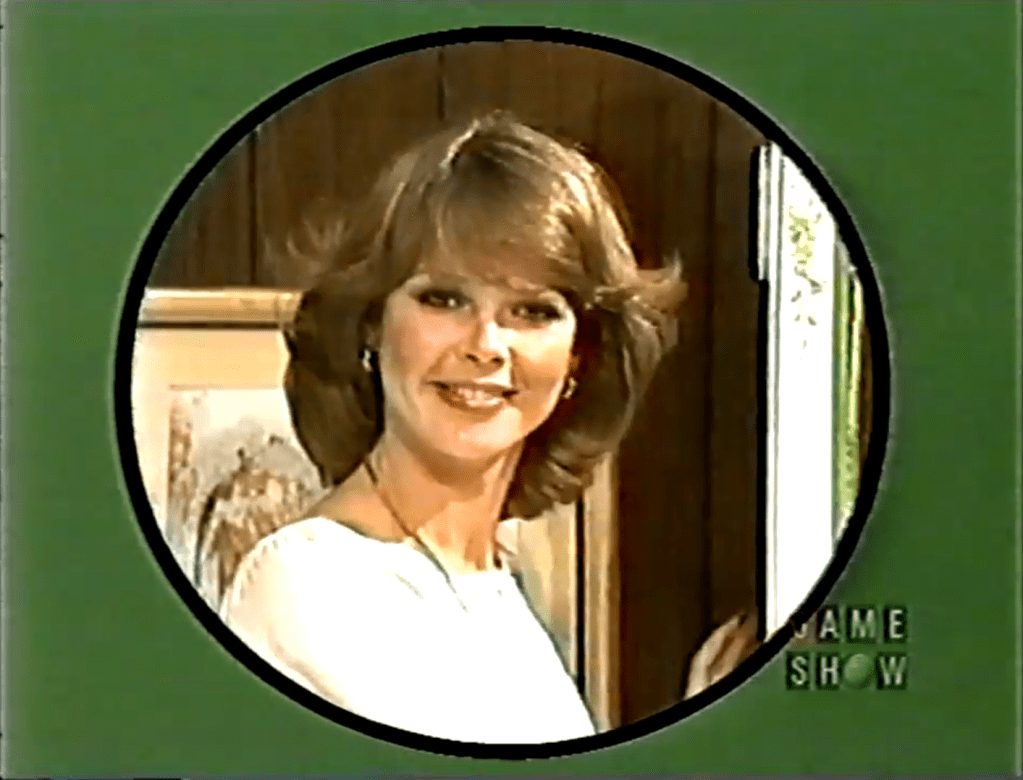
Holly Hallstrom permanently joined the show after Anitra Ford, one of the two original “Barker’s Beauties”, left the show midseason to pursue an acting career.
For the next 18 years, Janice, Dian, and Holly would form a modeling power trio and become the best-known model lineup in Price is Right history.
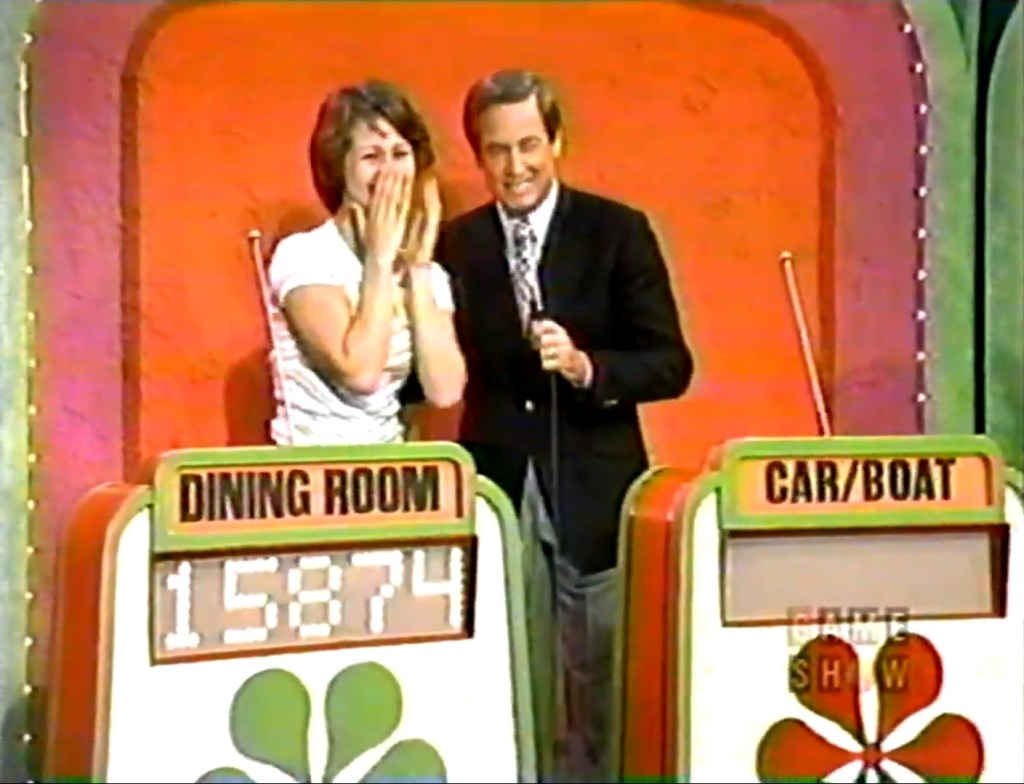
A $100 bonus began to be awarded to any player in Contestants’ Row that bid exactly right on their Item Up For Bids. Bob carried a $100 bill in his coat pocket; he would have female contestants fish it out of his pocket on camera.
Producer Jay Wolpert had been involved with running the day-to-day of the CBS version while EP Frank Wayne focused on the nighttime version. But Wolpert had ambitions of his own. Before landing at Goodson-Todman, he had previously created a quiz show that had been pitched to CBS, and CBS had become interested in picking up Wolpert’s quiz to pair with TPIR in their daytime block.
Wolpert would split his time between his new quiz show Double Dare (unrelated to the future Nickelodeon show of the same name) and his duties on TPIR.

New games:
Games retired: None
Broadcast History
TPIR began the season retaining its 10AM timeslot. NBC had ceded the first half hour of the 10AM slot to reruns, countering at 10:30 with Hollywood Squares.
TPIR held its own against Squares; however, once the TPIR was over, CBS struggled to prevent viewers from turning the dial to NBC’s Wheel of Fortune.

In December, CBS replaced Gambit with Double Dare, a quiz show created by head TPIR producer Jay Wolpert. Like Gambit, Double Dare also struggled to find an audience against Wheel.

By March, Double Dare was moved to the weaker 10AM slot. The stronger TPIR moved a half hour later where it would directly face off again against both NBC game shows.

At 10:30, TPIR proved capable of holding its own against NBC’s game shows. Its lead in was not so lucky. Even with weak competition Double Dare struggled to improve its ratings, and was replaced with reruns.

Contestant Hall of Fame

Memorable Moments

Contestants who bid perfectly won a $100 bill as a bonus. 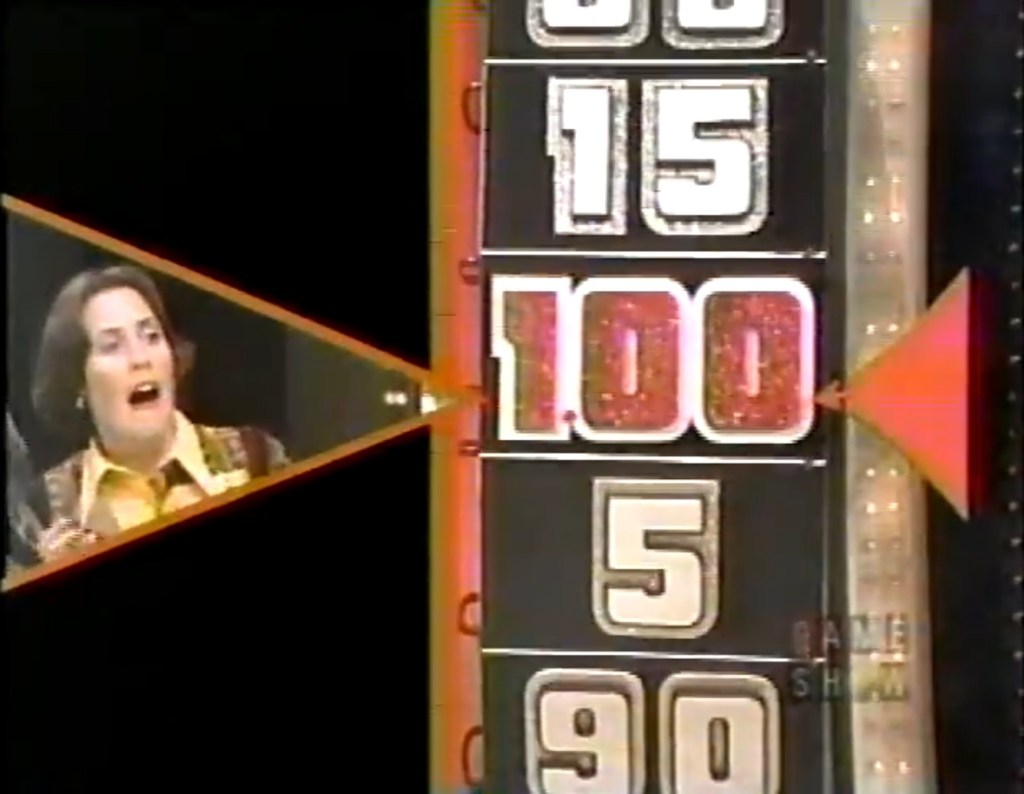
FOUR contestants won $1,000 spinning $1.00 on the Big Wheel this episode: two in the first Showcase Showdown, and two in the second. 
This showcase with “Everything for the Price is Right fan” begins with the board game… 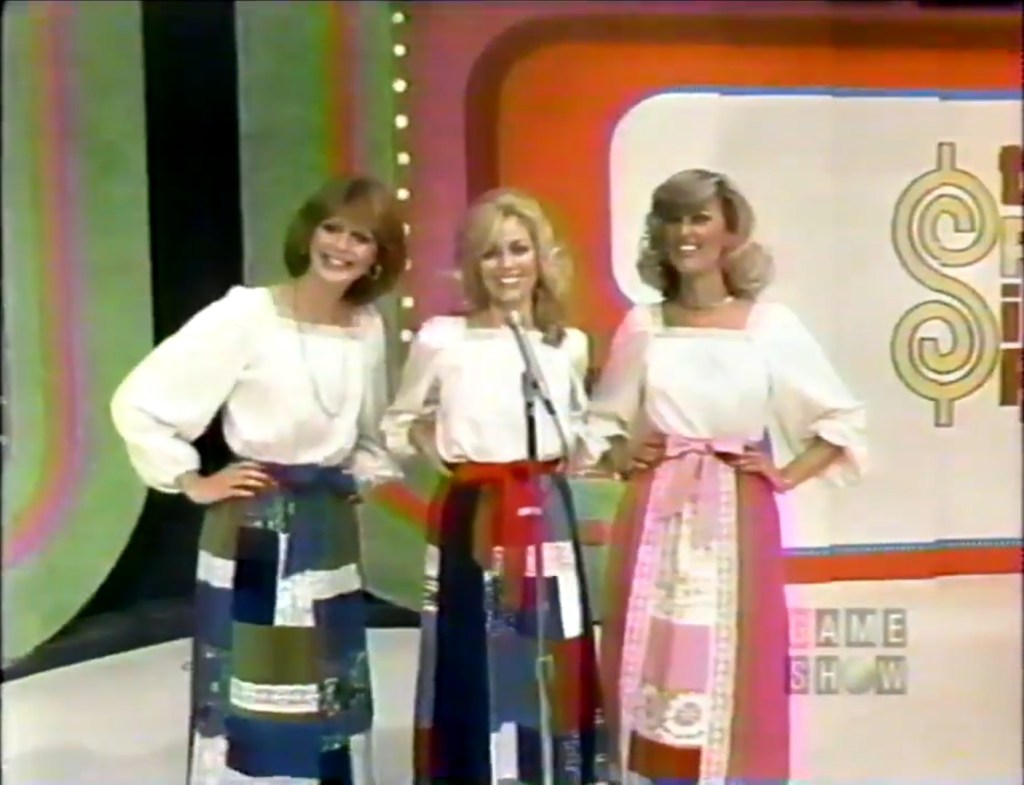
…and ends with the chance to be a Price is Right model for a day. The contestant needs to include the SAG union scale salary for modeling on a one-hour TV show in his showcase bid. 
Anitra Ford left TPIR around this time to pursue an acting career. 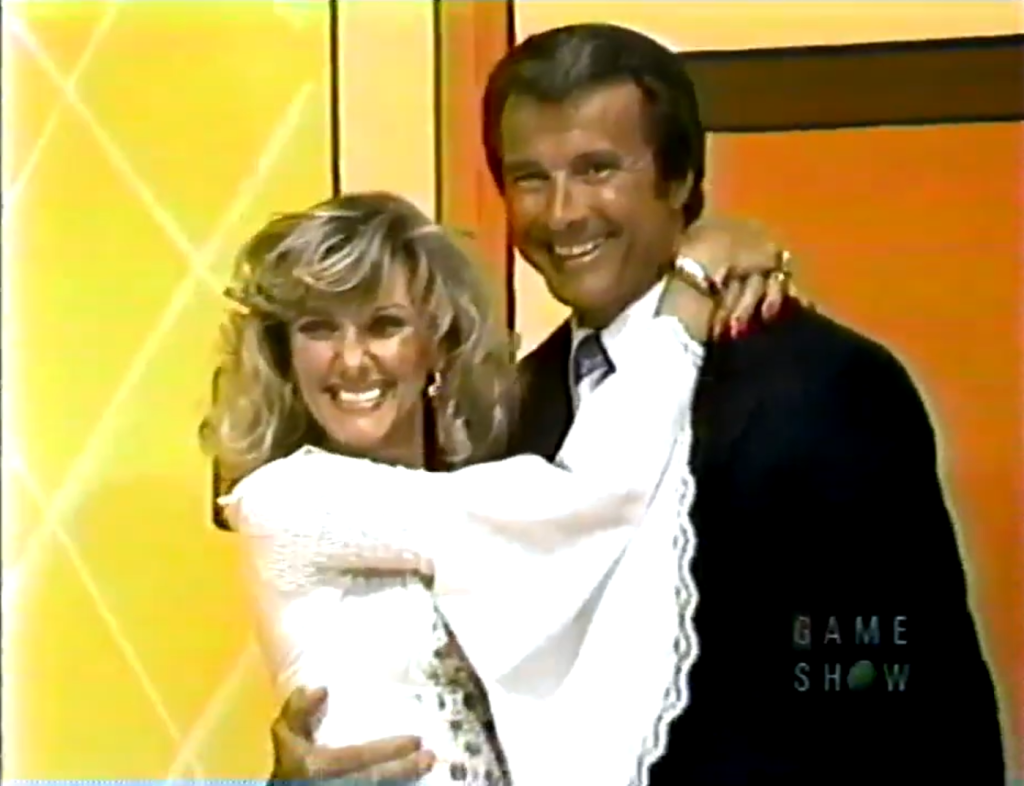
Janice prepped for a blind date in this showcase. Her date? “Wonder Woman” actor Lyle Waggoner!
Season 6 – Aug 1977 to Aug 1978
| Yankees sign Reggie Jackson… | 1977 Chevelle Malibu: $4,860 |
| John Travolta stars in “Saturday Night Fever” and “Grease“… | Antique Brass Console Color TV: $790 |
| Jim Davis’ “Garfield” comic strip is sold to syndication… | 5th Avenue Candy Bar: 15¢ |
Pricing games continued to trickle in at a regular pace. Five new games would debut leaving the rotation with 32 games by the end of the season.

After six years of shaping TPIR in daytime, head producer Jay Wolpert left Goodson-Todman Productions to form his own game show production company.
Wolpert would not only go on to produce several decades of extremely unique game shows, but also a successful screenwriting career, including the original draft of Pirates of the Caribbean: The Curse of the Black Pearl.
Jay Wolpert’s role on TPIR would be replaced by two producers.
Barbara Hunter was promoted from her role as Associate Producer to help fill Jay’s shoes. In addition, Phil Wayne (son of Executive Producer Frank Wayne, who ran the nighttime show) was also brought onto the show as a producer. Their duties would include creating game lineups, writing showcases, setting up false choices in games, interviewing contestants, and other essential day-to-day responsibilities.

New games:
Games retired:
Broadcast History
TPIR began the season retaining its 10:30 slot, holding its own against NBC’s games. But CBS struggled finding a proper lead-in for TPIR at 10:00. CBS attempted to correct that issue… and made a near-fatal mistake with one of its star shows.
At 3:30, Match Game ’77 was the highest-rated game show in all of daytime television. In the past, TPIR had very successfully functioned as an afternoon lead-in to Match Game. Network executives must have thought reuniting the pair by moving Match Game before noon could the answer to their morning dilemma.

In November, TPIR moved back to 10:00, leading into Match Game at 11:00. This move proved disastrous for Match Game; it alienated fans who were used to tuning in after school, and who could not watch in the mornings. Ratings for Match Game nosedived, and the decision was reversed after just six weeks.

In December, TPIR returned to 10:30, and Match Game returned to afternoons. Tattletales moved from the afternoon to 10:00 as TPIR’s lead-in, but also failed to find an audience in mornings and was canceled by April.

A new game show, Pass the Buck, took its timeslot; by June, it too, was also swiftly canceled. Though TPIR itself was proving to be a stable morning show, it was having serious trouble finding a lead-in.

Contestant Hall of Fame
Memorable Moments

Linda was only FIVE DOLLARS AWAY from her showcase, winning $18,696! 
Jennifer brought her teddy bear named “Grizzly Mancini” to the show. 
Bob liked to use the six pricing games to build a running narrative as each episode progressed. Six wins was a “perfect show” in his eyes. 
One of Jay Wolpert’s final “Flaky Flick” showcases spoofed “Network”, where ratings surge when a weather girl loses her mind on the air. 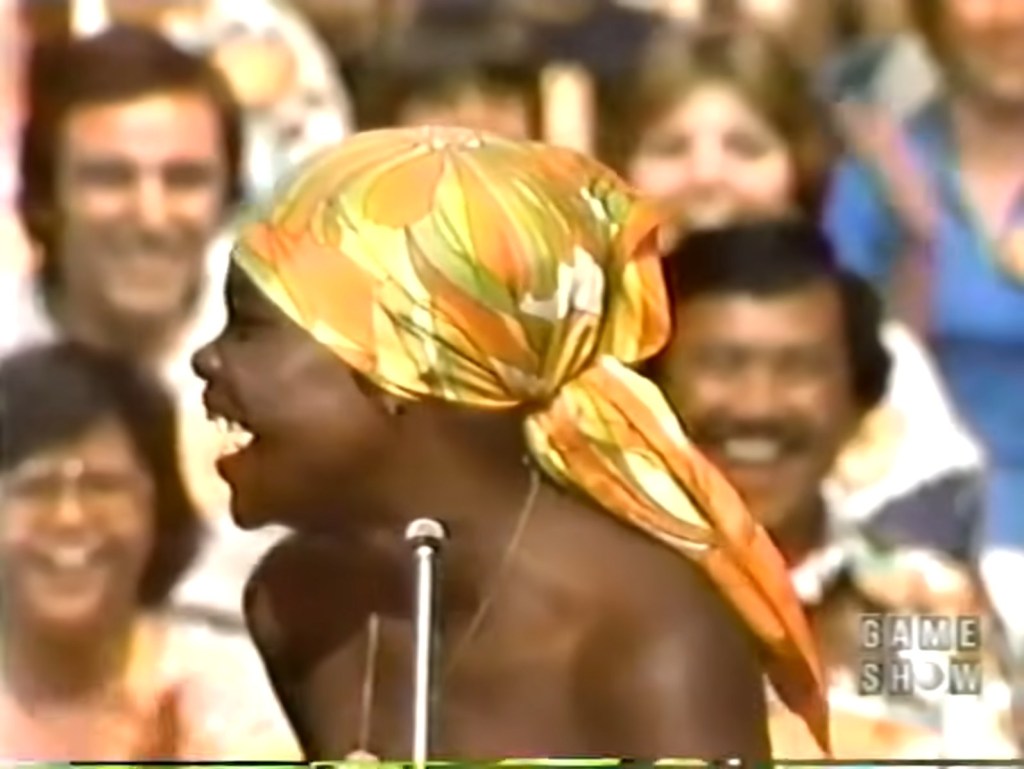
Bob had no monitors backstage, and was confused as to why the audience was in hysterics before he walked through the doors. “Bob, they have given their ALL for you.” 
“Whatever brought this on… Johnny, this is the way I want it every day from now on!”
Season 7 – Aug 1978 to Jun 1979
| Oil and energy crisis… | 1979 Ford Futura: $4,975 |
| Christopher Reeve’s Superman takes flight… | Motorboard International Motorized Skateboard: $319 |
| “Space Invaders” gobbles quarters worldwide… | Rice a Roni: 59¢ |
Season 7 may have been the most ambitious season of The Price is Right yet.

Every game introduced this season included a new type of gameplay or gimmick that had not been attempted before on TPIR. These included a game offering $10,000 in cash (the top prize offered by most game shows at the time), a game offering TWO cars, and more elaborate and eccentric visual gimmicks than had been seen before.
This may have been a creative overreach. Telephone Game and Shower Game were quickly pulled, and Punch a Bunch and Penny Ante had to be simplified after a few playings. The idea of playing pricing games for cash, however, proved to be an enduring one.
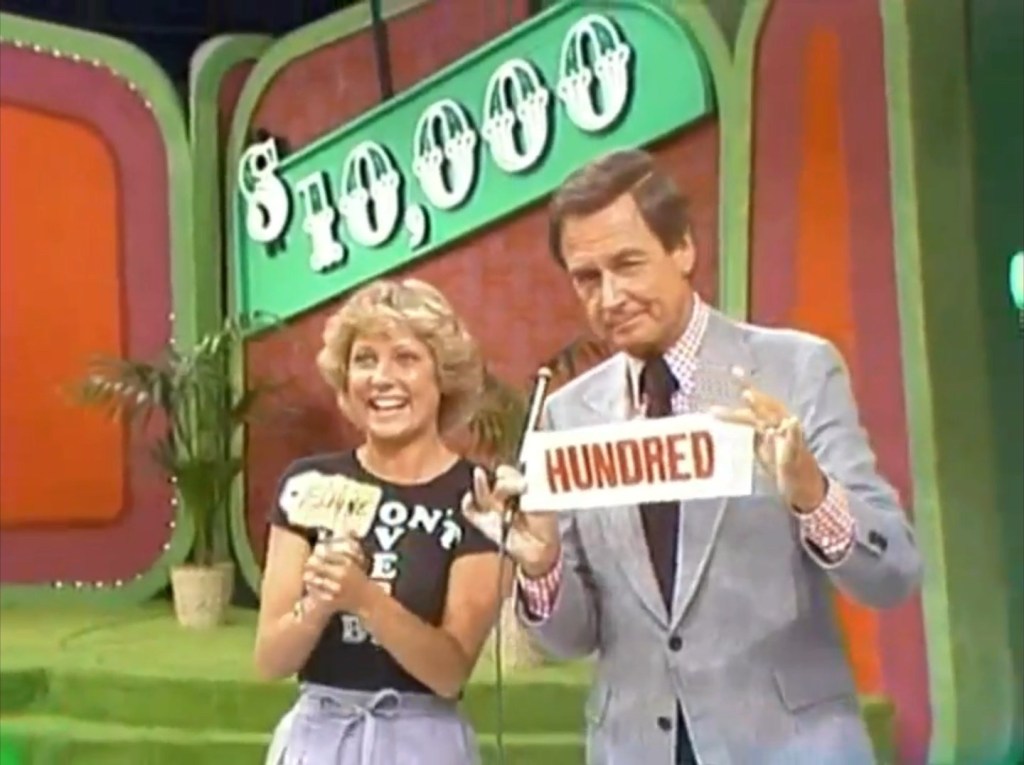
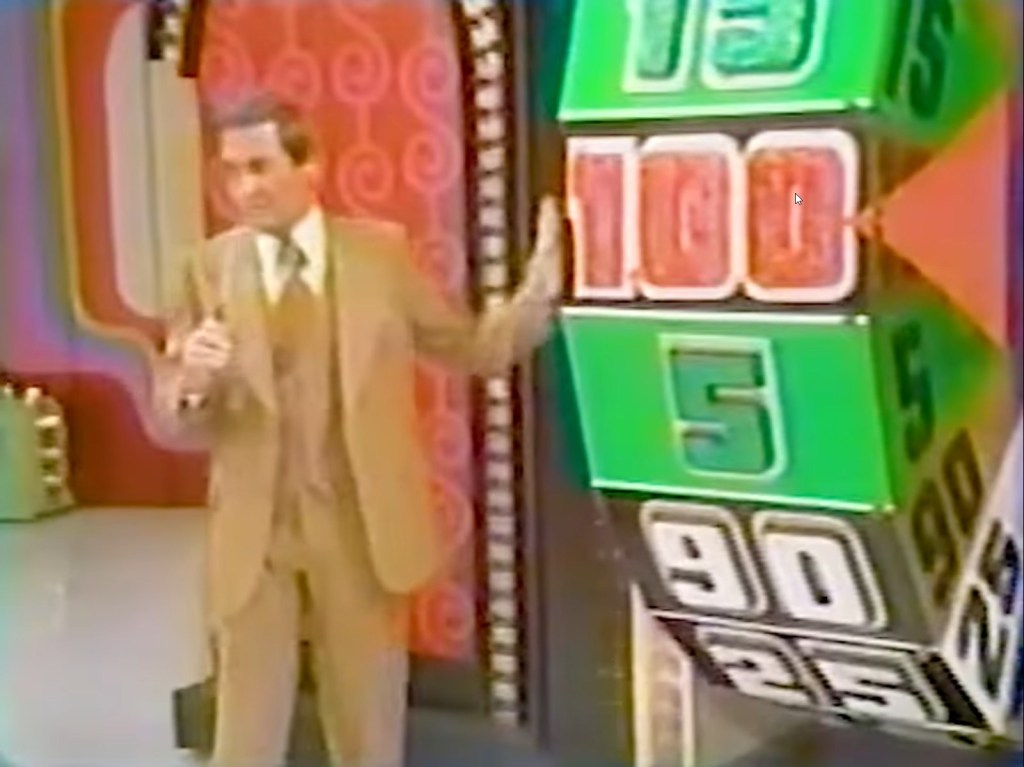
The notion of a big cash giveaway even expanded to the Big Wheel. Two green “bonus” spaces were added to the wheel. In order to make the segment more exciting, a contestant who spun $1.00 exactly not only won $1,000, but a “bonus spin”. If their bonus spin landed on one of the green sections, they won an additional $5,000. If a bonus spin hit the dollar space, they won a $10,000 bonus, for a total of $11,000… a sum larger than the top prize on most of TPIR’s game show competition!
Season 7 episodes are a holy grail for TPIR fans. They are extremely rare, predating most home recording devices, and very few have been rerun. But they also showcase Bob & the production staff at an era where they building to new creative heights.
Games retired:
Broadcast History
Wheel of Fortune had moved to avoid TPIR’s footprint, and NBC had slotted in a revival of High Rollers. TPIR held its edge over both NBC games. But CBS had given up trying to fill the 10AM slot, opting to lead into TPIR with reruns.

NBC finally pulled Hollywood Squares from mornings (where it had spent the vast majority of its 12-year run) in an attempt to slot in Jeopardy!, which proved unsuccessful and quickly replaced by All-Star Secrets. TPIR proved capable of holding off both.

In April, CBS moved TPIR to the 11AM slot in a shakeup of their daytime lineup. Jay Wolpert’s first independent creation, Whew!, took the 10:30 timeslot and became TPIR’s lead-in (with a 5 minute news hit separating the two shows).
At 11AM, TPIR faced its strongest competition yet. Not only was it, again, directly facing NBC’s popular Wheel of Fortune, but ABC’s Family Feud had claimed the crown of the highest-rated game show in daytime. The 11:30 slot was a true battle of the three most popular game shows.
Even so, TPIR remained quite competitive against the two game show heavyweights. While it couldn’t quite topple Feud, it pulled a large audience from Wheel and came close enough to make it a real fight.
Satisfied, CBS would park TPIR in the 11AM time slot… where it still remains today over four decades later!

Contestant Hall of Fame
Memorable Moments
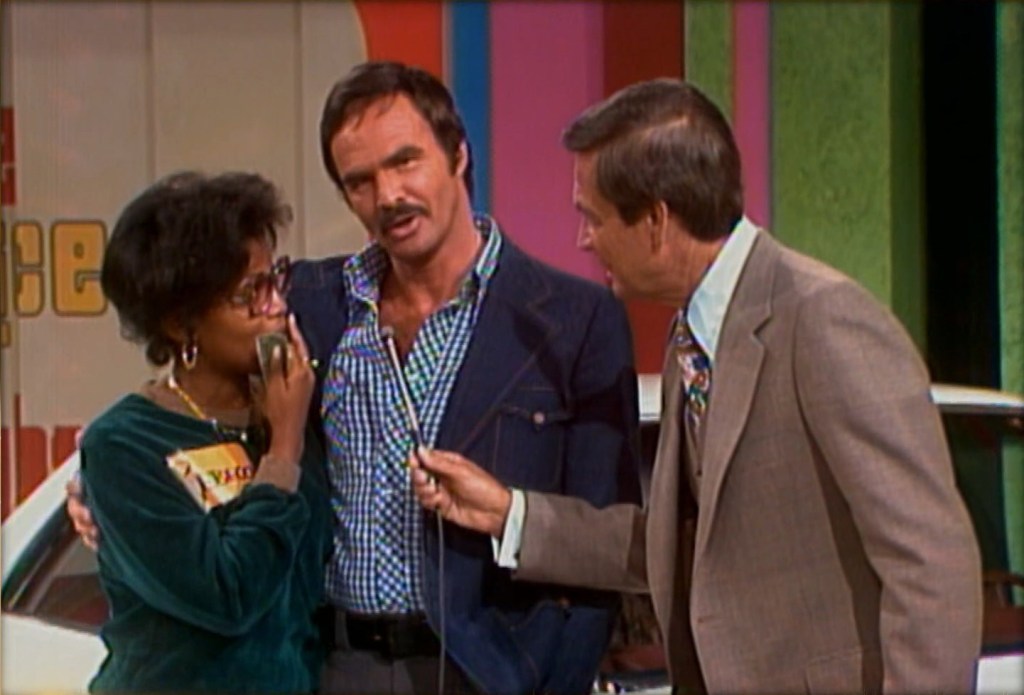
Burt Reynolds stopped by to help Rebecca out during Lucky Seven. 
Bob & his wife Dorothy Jo spoke publicly about their love for animals. By April 1979, Bob had become a vegetarian and occasionally ended episodes by asking viewers to spay and neuter their pets. 
Some games introduced this season didn’t last long. “Telephone Game” was pulled after just three playings! 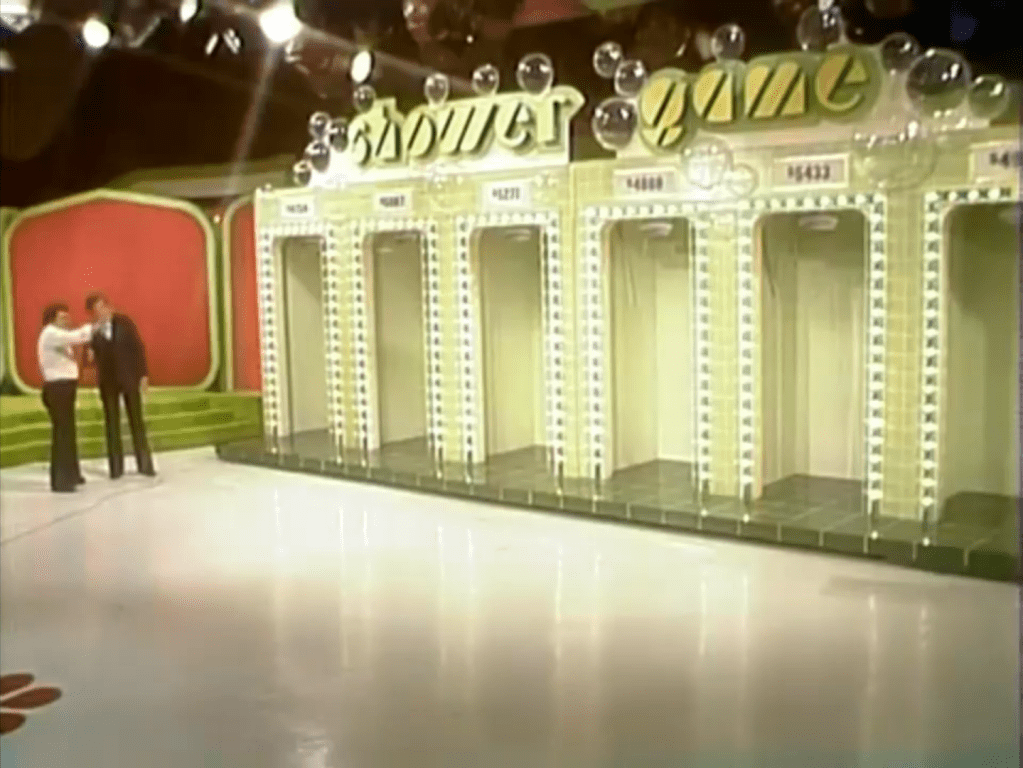
“Shower Game” may have had the largest set in TPIR history. It, too, did not last long. 
Consolation prize plugs for the three “Contestants Not Appearing On Stage” moved from a mini-segment during the commercials to a part of the Second Showcase Showdown this season.
Season 8 – Aug 1979 to Jun 1980
| Mount St. Helens erupts… | 1979 Pontiac Grand Prix: $8,087 |
| ESPN launches first 24-hour cable sports network… | RCA 25″ Color Console TV: $949 |
| Olympic US Hockey Team defeats Soviet Union in “Miracle on Ice”… | Kmart Disco Stereo: $358 |
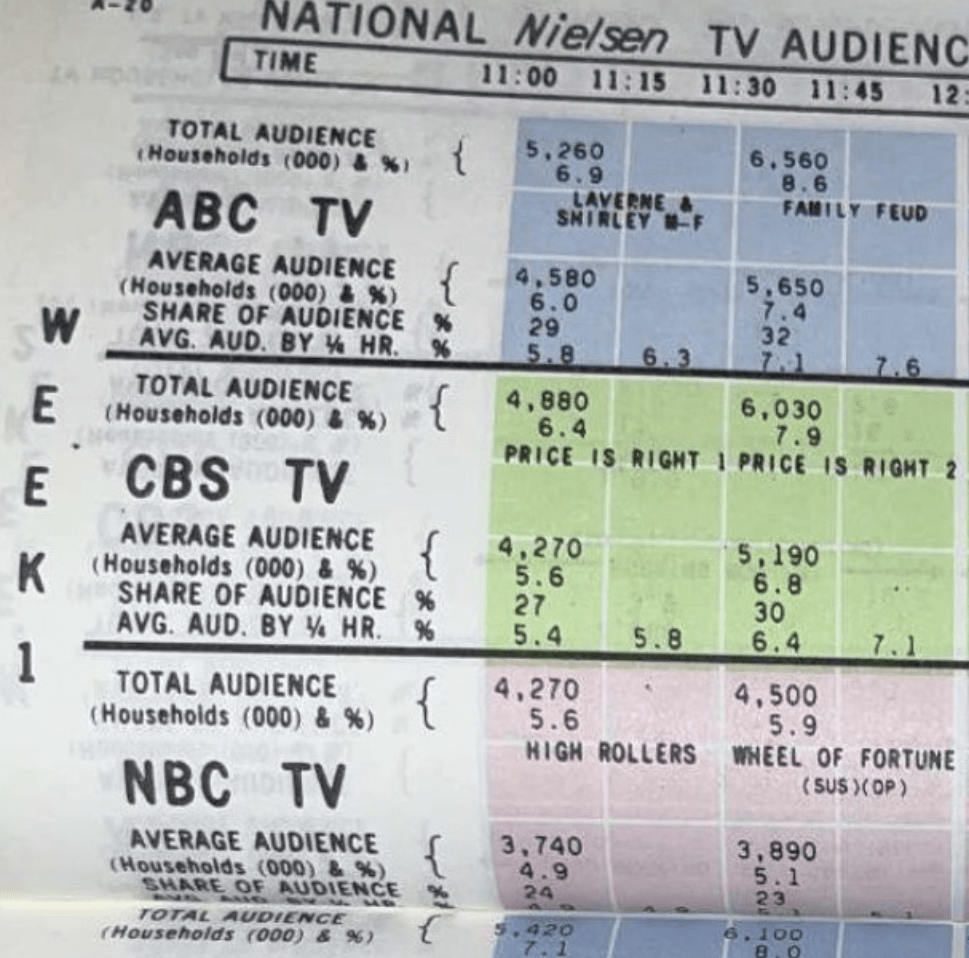
TPIR was faced with its most daunting task: to chip away audience from ABC’s Family Feud. At 11:30, Feud was the highest-rated daytime game show, which TPIR was now facing in direct competition.
After leaving Match Game, Feud host Richard Dawson had spent the past few years melding his personality with the game’s format (to the chagrin of Goodson-Todman staff). Dawson occasionally began each Feud episode with a monologue, and had parried his fame into a position filling in for Johnny Carson on The Tonight Show.
Dawson had made Feud the #1 daytime game show and successfully spun off a hit syndicated nighttime version, so clearly he was doing something right.
TPIR may have aimed to compete with Dawson by putting Bob’s personality even more front and center. Bob certainly had no trouble establishing himself on-camera, and, similar to Dawson, had no shortage of female contestants willing to greet the host with a kiss on the air. Two new games bearing Bob’s name entered the game rotation helping establish TPIR as “Bob’s show”.
New games:
Games retired: None
Broadcast History

TPIR’s lead-in remained a 25-minute episode of Whew! followed by a 5-minute CBS News hit.
TPIR continued to hold its own against NBC’s Wheel and High Rollers, and ABC’s Feud. While Feud continued its reign as the highest-rated daytime game show, TPIR still proved more than capable of competing, even coming in a respectable #2 to Feud.
Some sources have TPIR occasionally closing the gap or even pulling ahead of Feud during this period of direct competition, although complete Nielsen rating documentation for this period is spotty and most sources agree Feud was more consistently the #1 viewed game show, at least when the season began.

Whew! would gain a reputation among game show fans as a hidden gem, but proved ahead of its time for morning audiences and was cancelled in June. TPIR would spend the next two years with reruns as its lead-in.
After a year of direct competition with TPIR, Feud would move to 12:00, safely out of TPIR’s reach.
Contestant Hall of Fame



The Nighttime Price is Right with Bob Barker – 1977 to 1980

After Dennis James’ successful five-season run on the nighttime TPIR, a number of NBC stations elected not to renew the show’s contract.
One issue may have been that the daytime version cut into the nighttime TPIR’s popularity. The daytime version offered a wider variety of games, an hourlong runtime, and a host who had become much more experienced with the format.
Despite offering more lavish prizes in a more prominent timeslot, Dennis’ syndicated show was becoming seen as the inferior product to Bob’s daytime show.
Viewership of the nighttime show had peaked, and many NBC stations opted to replace the nighttime TPIR with nighttime Family Feud, which was becoming a smash hit.
Goodson-Todman shopped the nighttime TPIR around to CBS stations, who agreed to pick it up on the condition that Bob Barker step in as host to keep as much parity with the daytime version as possible.
Truth or Consequences had paused production in 1975, so Bob was now available to work in nighttime syndication. After 19 years on Truth, Bob Barker chose to permanently leave his old show that had made him famous and replace Dennis James on the nighttime version of TPIR.
The nighttime TPIR ran an additional three seasons with Bob at the helm. Very few episodes of this era circulate among collectors, as it has never been rerun and home VCRs were rare…. but the few available episodes help paint a snapshot.
?file=TPIR1977AD-1.png)
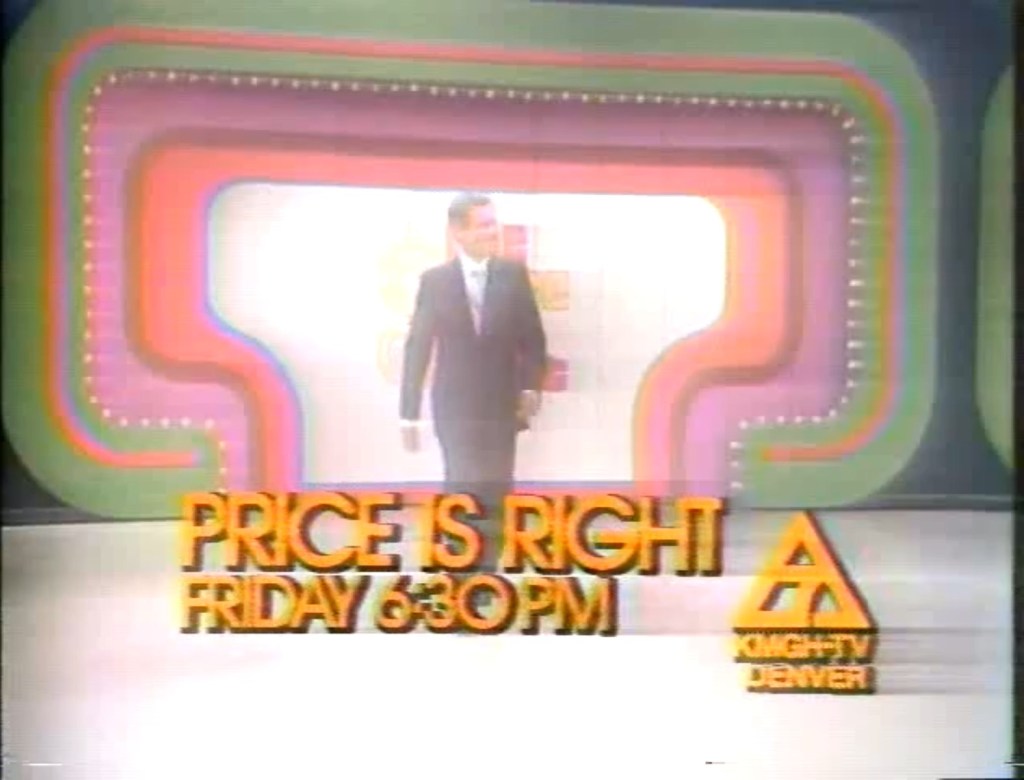
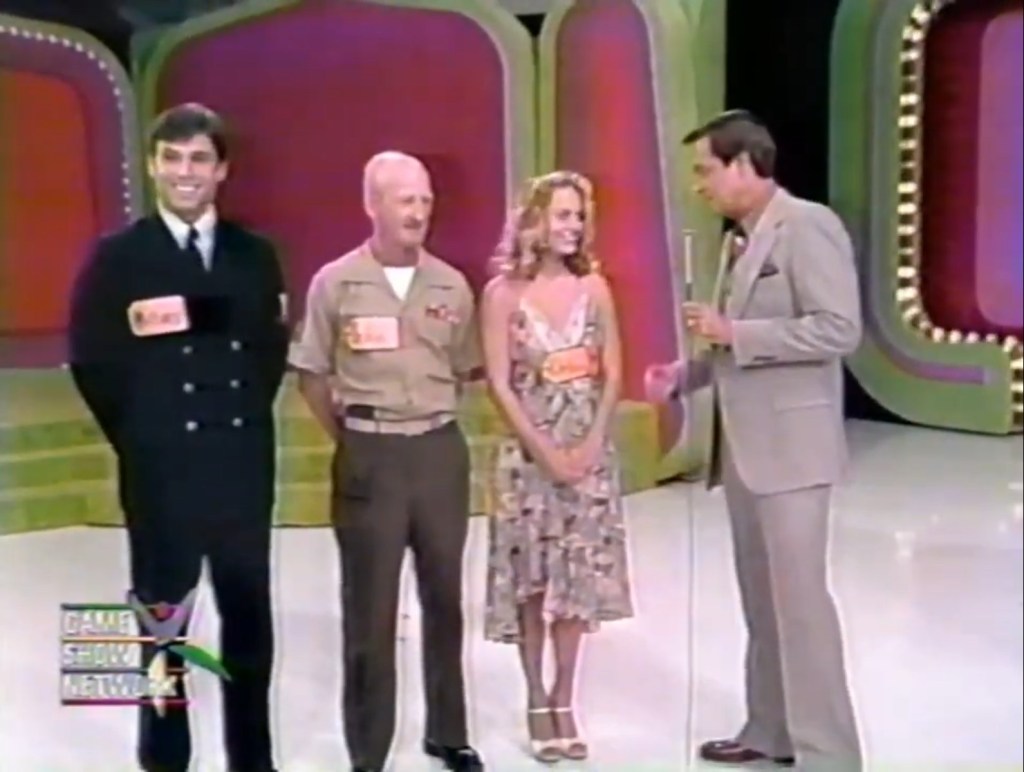
Bob brought his trademark wit and stage presence to the show, with the glamourous prizes from nighttime returning. Showcases continued to be elaborate presentations stuffed chock-full of lavish prizes and fanciful direction.
Despite lacking a Big Wheel, 30 minutes of runtime, and having to work with a smaller lineup of games, this version of TPIR used its larger budget to differentiate itself through spectacle.
Ratings data is hard to come by, but some sources had the nighttime TPIR peaking as a top 5 syndicated program in the country in November 1978, representing an upswing from the end of Dennis James’ tenure.
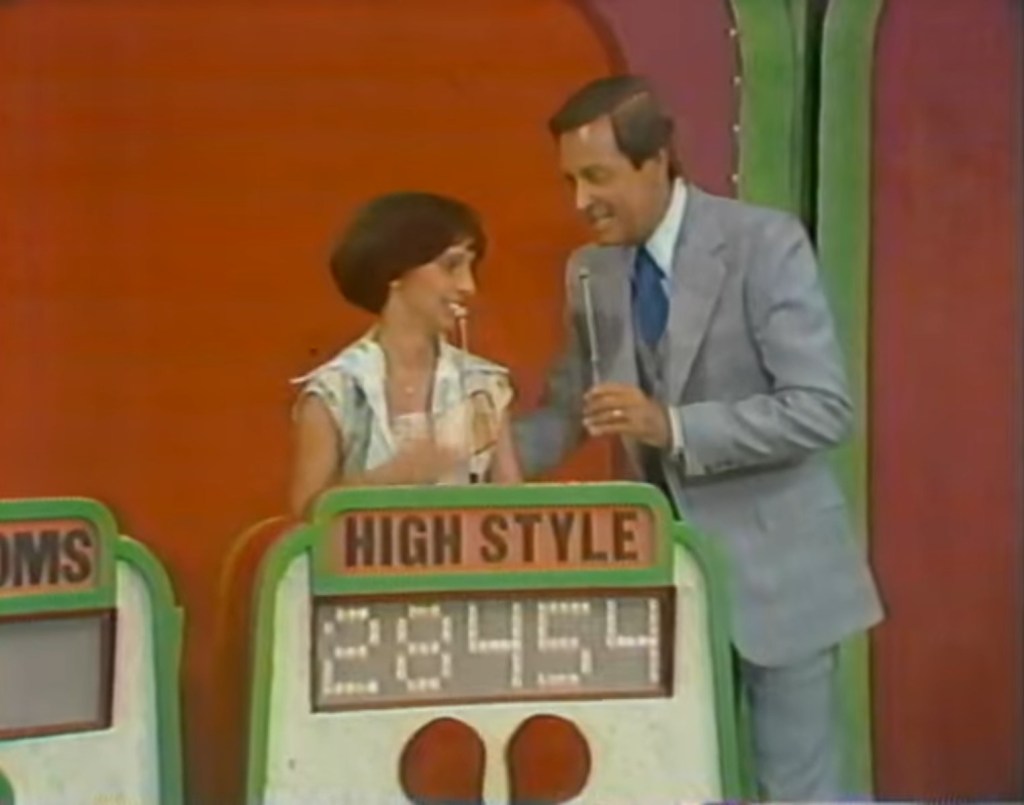
With inflation, a $26,000 showcase would be worth over $130,000 today! 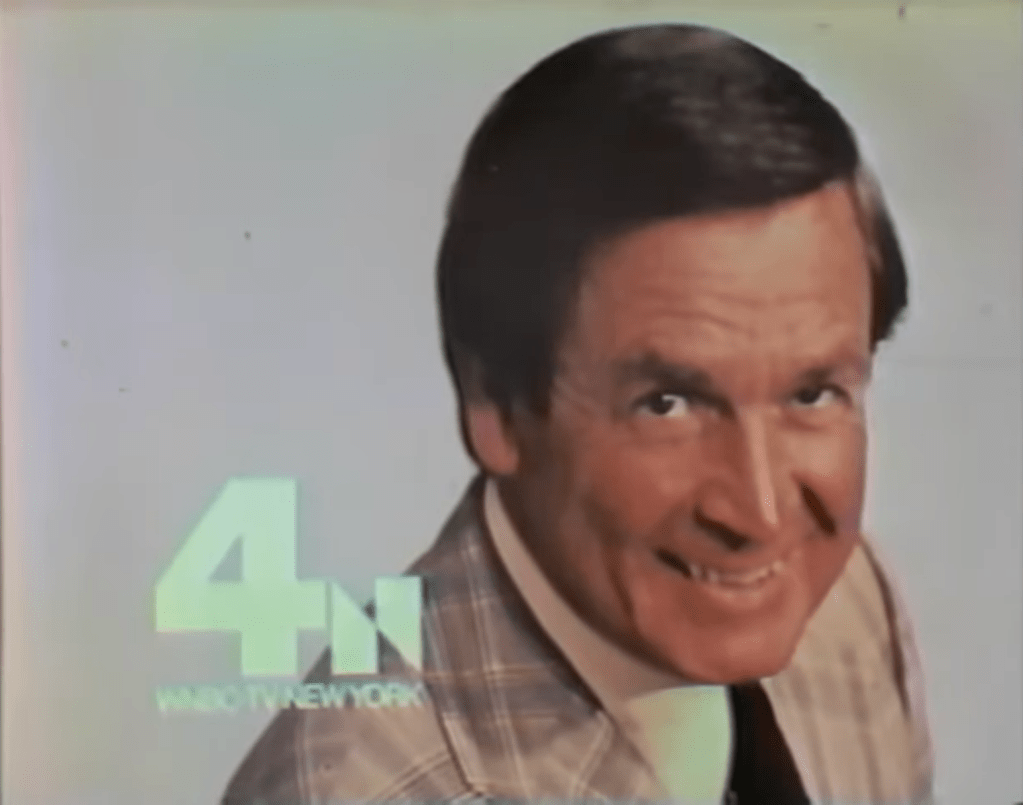
An advertisement reminds viewers that Bob Barker now hosts the nighttime version, too. 
A Ford Bronco was WELL outside of the budget of the daytime show! 
The nighttime audience was always “sparkling with excitement”, and the special effects in the intro proved it. 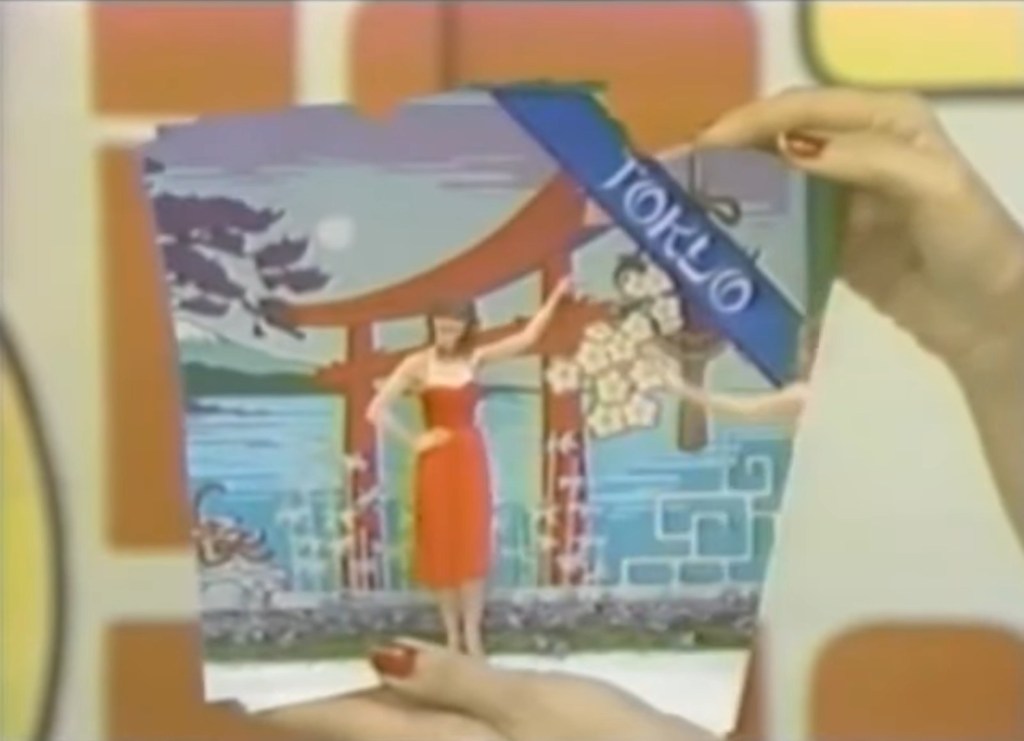
A nifty directing trick: Janice is holding blue tickets, and a chromakey effect shows Holly modeling the destination. 
Bob distinguished himself from his predecessor by taking extra time with each contestant. Donald is the champion of the All-Canadian Drinking Team. 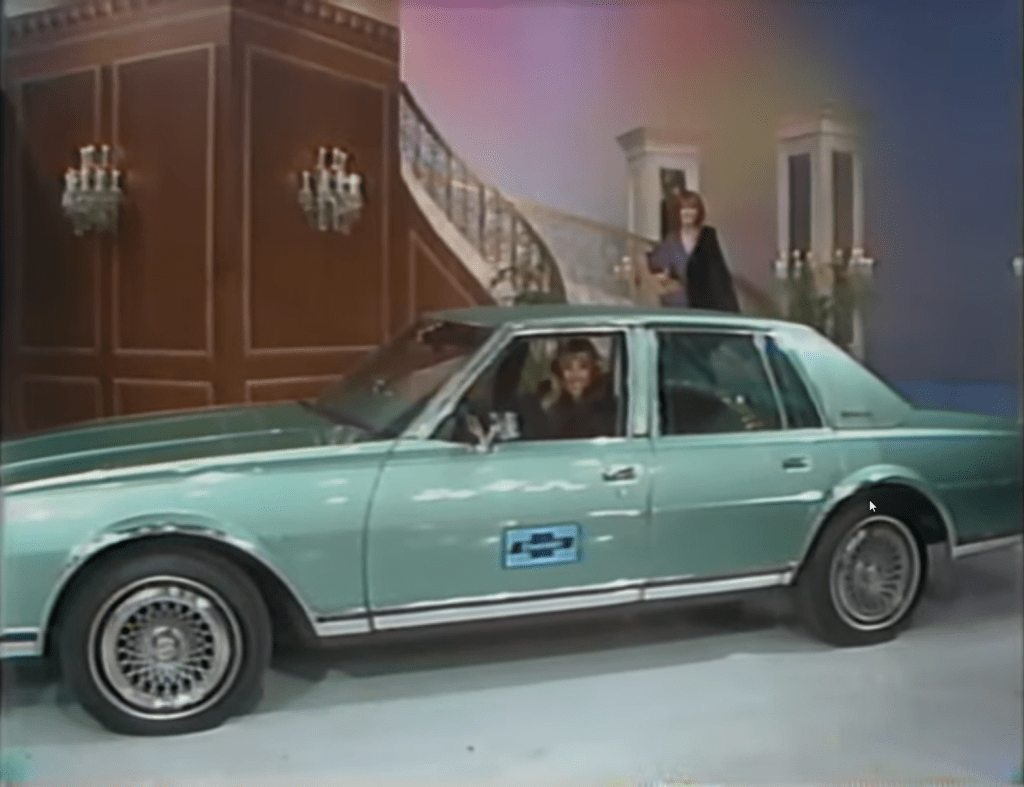
This showcase contains two fur coats, a swimming pool, and a Chevrolet Caprice Classic! 
VCRs were very expensive toys for 1980… which explains why episodes of this run of the show are so hard to come by decades later.
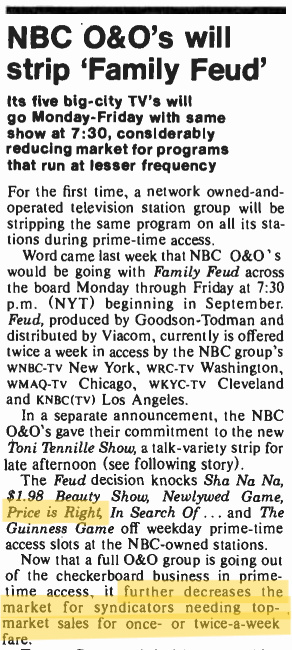
This ratings upswing didn’t last long. The syndicated landscape was changing dramatically. By November 1979, TPIR had fallen out of the top 15 syndicated shows.
Once-a-week syndicated nighttime shows were rapidly falling out of favor, and five-day-a-week “strip” syndicated shows were taking their place. With fewer timeslots in prime access available, it was much harder for a once-a-week TPIR to hold on to its niche.
By 1980, Goodson-Todman’s weekly syndicated game shows, including the nighttime Feud, were preparing to expand to five days a week. The nighttime TPIR was not equipped to make this leap.
With nighttime TPIR viewership once again on the downswing, and TPIR’s production crew and host already taxed to their limits meeting the demands of one daily version, Goodson-Todman chose not to move forward with further seasons of nighttime TPIR. In its place, they elected to revive To Tell The Truth as a daily syndicated show.

An eight season run in nighttime likely exceeded every measure of success Goodson-Todman Productions had hoped for when retooling TPIR at the start of the decade. This run remains the longest-running nighttime version of The Price is Right to date, outlasting Bill Cullen’s original nighttime run and proving they could keep the old format relevant for audiences of the 70’s.
But the end of the nighttime run meant that its staff was now free to focus their efforts entirely on the daytime show.
And for the audiences of the 80’s, there was no end in sight to what TPIR might accomplish in daytime…
Go on to
- Go back to the origins of The New Price is Right in the Early 70’s
- Go forward to see TPIR’s grow even Bigger and Better in the Early 80’s
- Return to the Tiny Timeline
 Golden-Gallery.net